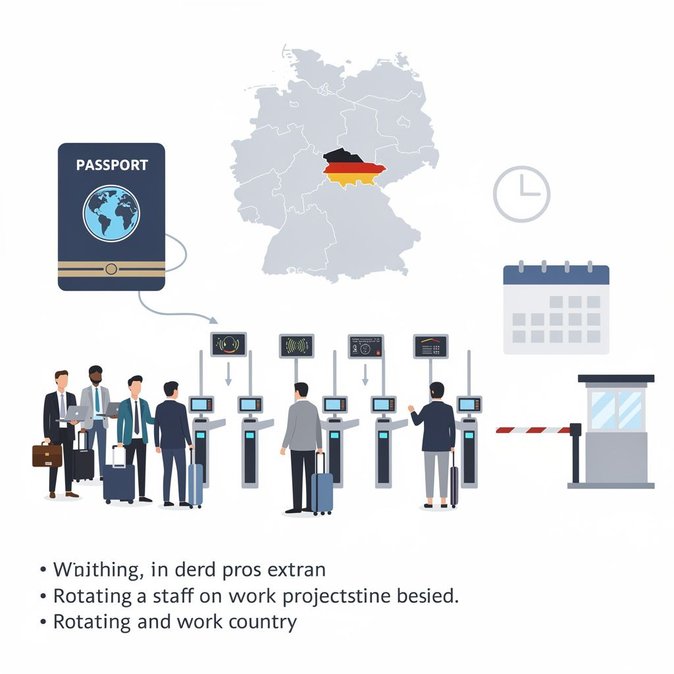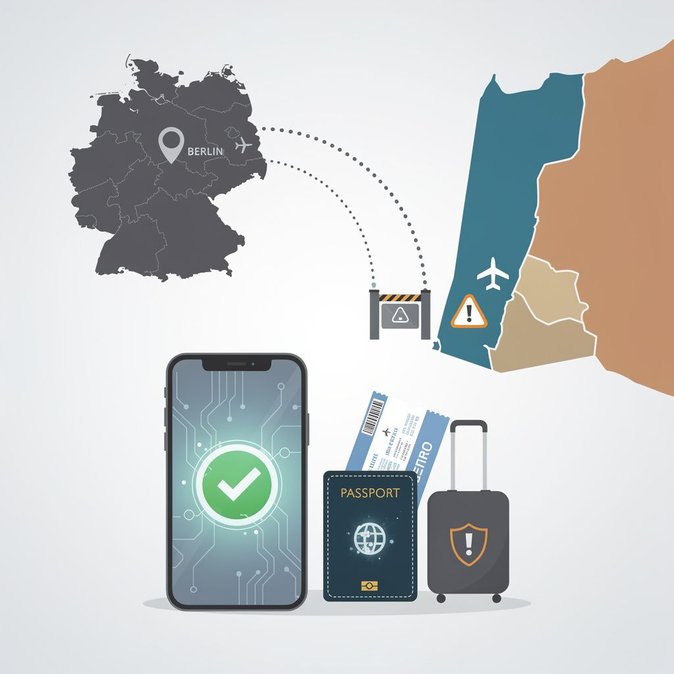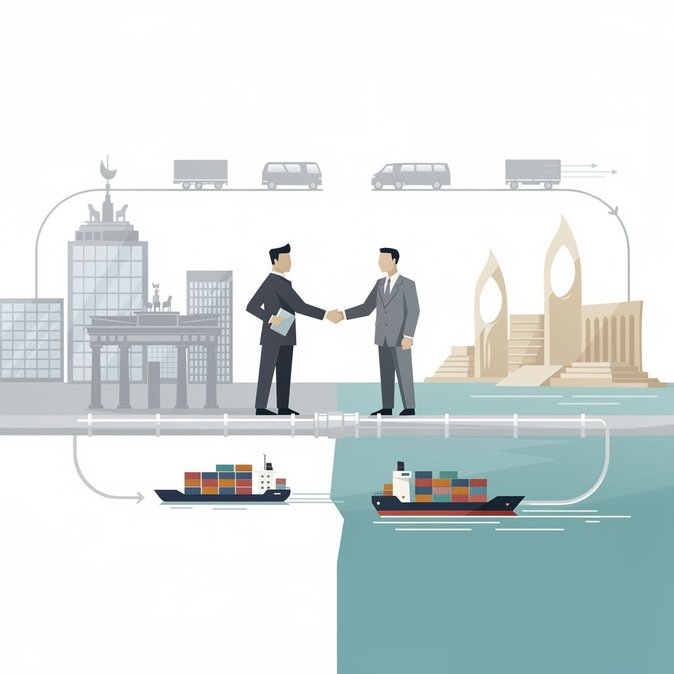
During President Ilham Aliyev’s state visit to Berlin on 21 July 2026, Chancellor Friedrich Merz and the Azerbaijani leader signed a Joint Declaration on a Strategic Agenda for Bilateral Partnership. The document establishes a German-Azerbaijani Business Council aimed at accelerating project pipelines in energy, infrastructure and logistics corridors linking Europe and Asia. Although visa facilitation was not formally announced, government sources indicated that both sides will examine “fast-track” business-visa lanes for council-endorsed projects and consider mutual recognition of digital work-permit documents. At present, German technicians require an invitation letter and work permit to enter Azerbaijan for field assignments, a process that can take up to four weeks. Energy diversification dominates the agenda: Germany plans to tap additional gas volumes through the Southern Gas Corridor and sees Azerbaijani ports as gateways to Central Asian renewables. Streamlined mobility rules for engineers and service suppliers are therefore critical. Multinationals such as Siemens Energy and Uniper, already active in Baku, welcomed the creation of a one-stop council which could cut red tape and provide government-level sponsorship letters for visa applications. The declaration also references “new transport and trade corridors”, pointing to the Trans-Caspian route via Georgia and Kazakhstan. German logistics operators expect an uptick in carnet and customs-transit traffic, provided border agencies harmonise procedures. Details of any visa reforms are to be presented at the council’s inaugural meeting in Berlin this autumn.