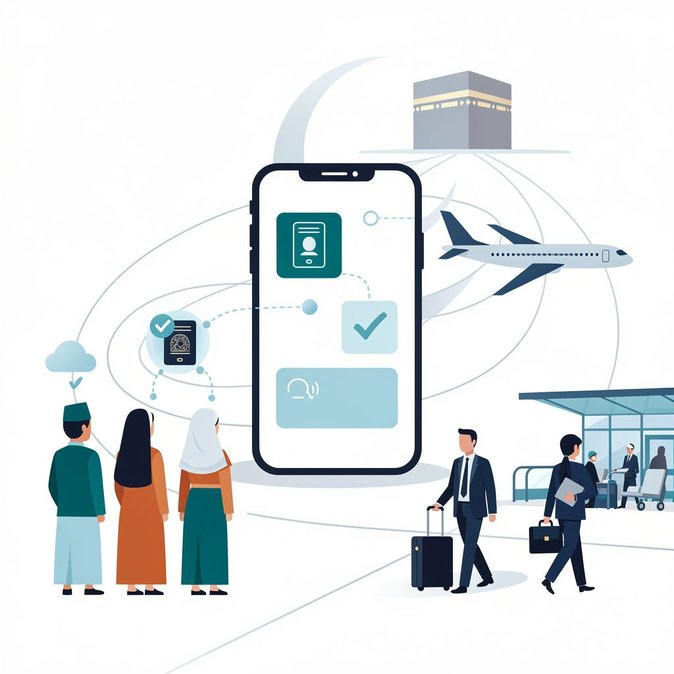
Responding to complaints of long queues and paperwork, the Ministry of Minority Affairs told Parliament on 22 July that it has rolled out “Haj Suvidha App 2.0”, online payment gateways and digital passport uploads for the 1.75 lakh Indians expected to perform Haj 2026. Pilgrims can now choose flights, accommodation and grievance-redress options entirely online. Most strikingly, the need to submit a physical passport to State Haj Committees has been scrapped—documents will be verified digitally before departure. The Ministry also confirmed high-speed-rail allotments between Makkah and Madinah and hotel-style rooms in Mina camps, bringing the pilgrim experience closer to international standards. Every traveller will be covered by a ₹6.25 lakh insurance policy, an increase of 25 % over 2025. Although primarily a religious journey, Haj accounts for one of India’s largest annual charter-flight operations. Removing paper passports reduces handling errors that previously grounded whole flight rotations. Airlines such as SpiceJet and Air India Charter— which operate wet-lease Haj services—expect faster turnarounds and lower liability exposure. Corporate impact: companies that run Saudi projects often align expatriate-engineer rotations around Haj shutdowns. Better-spread flight schedules may ease seat shortages that historically spiked business-class fares during the peak fortnight. Travel managers should, however, watch for residual congestion at Jeddah and Madinah immigration counters as authorities adapt to the new digital manifests. The government says further integration with Saudi Arabia’s Nusuk platform is planned for 2027, potentially enabling real-time document synchronisation between Indian authorities and Saudi border systems.
Source: Press Information Bureau