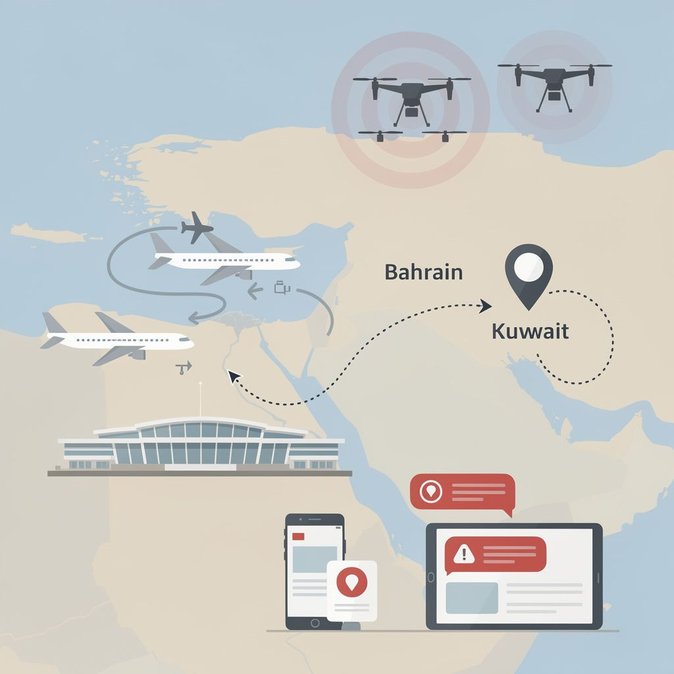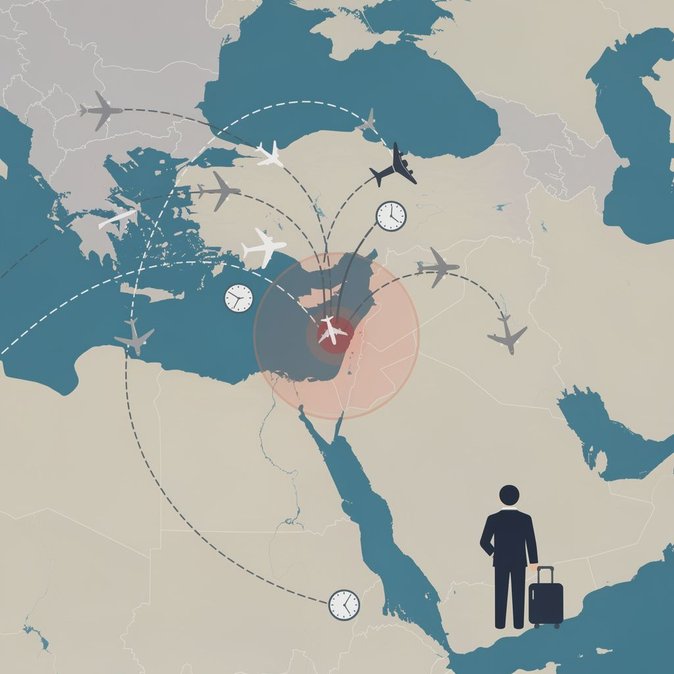
International travel to and through the United Arab Emirates faces a fresh wave of disruption after more than a dozen major airlines lengthened their Middle-East black-outs overnight. The trigger was the twelfth consecutive night of US air-strikes on Iranian targets in and around the Strait of Hormuz on 23 July. While the US says the campaign is designed to protect commercial shipping, carriers say the military build-up has made critical portions of regional airspace ‘unpredictable at short notice’. Air France, originally slated to restart its Dubai and Riyadh services on 20 July, now says both routes will stay grounded until at least 27 July. KLM has pushed its Dubai, Dammam and Riyadh resumptions back to 23 August, and British Airways has postponed its phased return to Dubai, Doha and Bahrain until late October, permanently dropping Jeddah. Asian carriers are equally cautious: Singapore Airlines and Cathay Pacific have both extended their Dubai suspensions until 24 October; Philippine Airlines will keep its Manila-Dubai flights off line until 2 October. Gulf hubs themselves remain open, but passengers are feeling the pinch through longer routings, reduced frequencies and last-minute aircraft swaps. Airlines are offering fee-free re-booking or refunds, yet business travellers complain of tight premium-cabin inventory during the summer surge. Freight forwarders are also bracing for higher costs as wide-body ‘belly’ capacity disappears from key Europe-GCC corridors. For UAE-based companies the operational advice is clear: build extra slack into travel schedules, monitor clients’ cargo deadlines, and remind assignees that flights may be diverted without notice. Travel managers should also check that employee insurance covers rerouting via higher-risk airports such as Doha or Muscat, which are absorbing a share of diverted traffic.
Source: The National