Swiss Non-EU Work Permits: How 2026 Quotas Could Still Delay Autumn Start-Dates
Swiss Non-EU Work Permit Quotas: How Bottlenecks Could Delay July Hires
Final Day of Zurich–Stuttgart Line Closure Brings Bus Replacements and Missed Connections
Latest News

Writing a Credible Study Plan Becomes Critical for Swiss Student Permits
A new practitioner article emphasises that Swiss cantonal authorities judge student-permit ‘motivation letters’ against hard evidence of educational logic and funding. Generic essays, inconsistent finances or unclear career links can sink an application. Applicants should craft concise, fact-based study plans that align with admission letters, bank statements and Article 27 criteria.
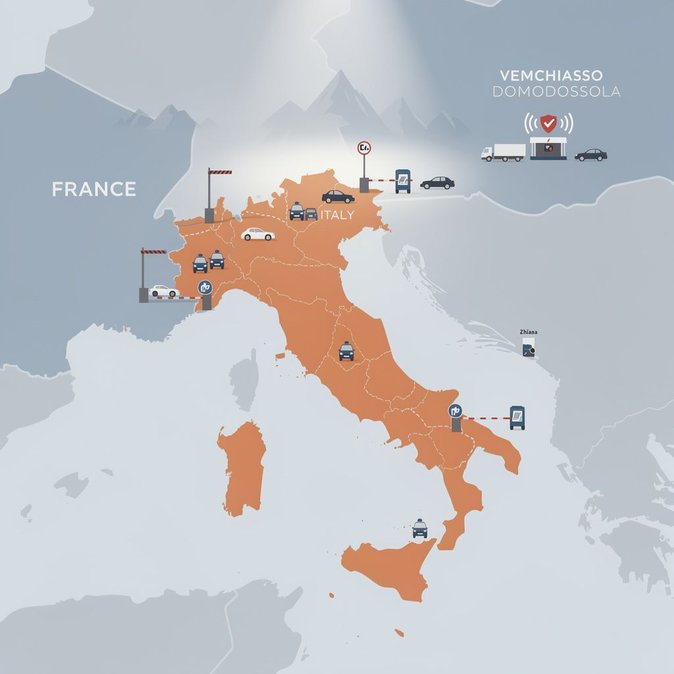
Italy Re-activates Internal Schengen Controls 24–26 July; Swiss Transit Could Be Affected
Italy has reintroduced internal Schengen controls from 24 to 26 July due to security concerns around a music festival in Venaus. While the focus is the French border, past practice suggests sporadic checks could spill over to routes linking Italy and Switzerland. Transport operators and business travellers should expect possible delays at Chiasso and Domodossola and allow extra buffer time.
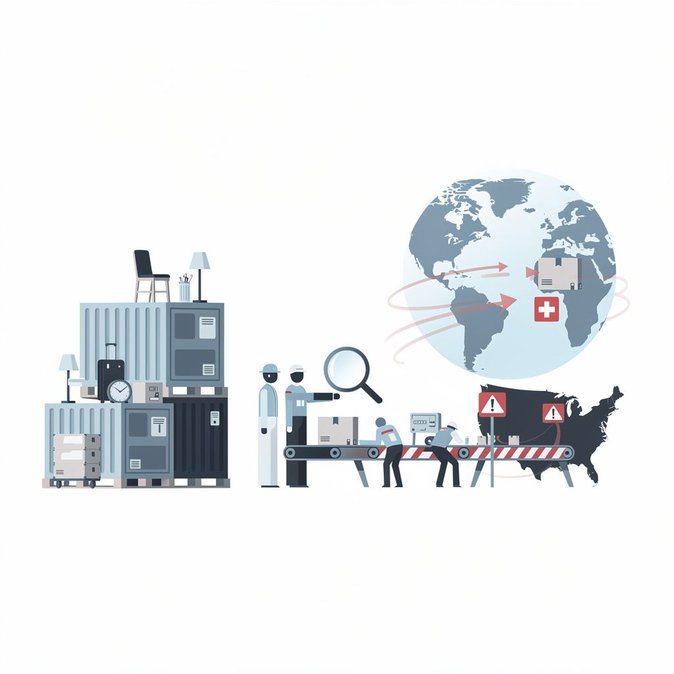
Switzerland Rejects U.S. Forced-Labour Allegations as Additional Tariffs Hit Swiss Exports
Additional U.S. tariffs that entered into force at 00:01 EDT on 24 July target Swiss exports alleged to involve forced labour. Switzerland disputes the claims, but freight forwarders and relocation providers warn of inspection bottlenecks and higher costs for corporate household goods shipments bound for the United States.
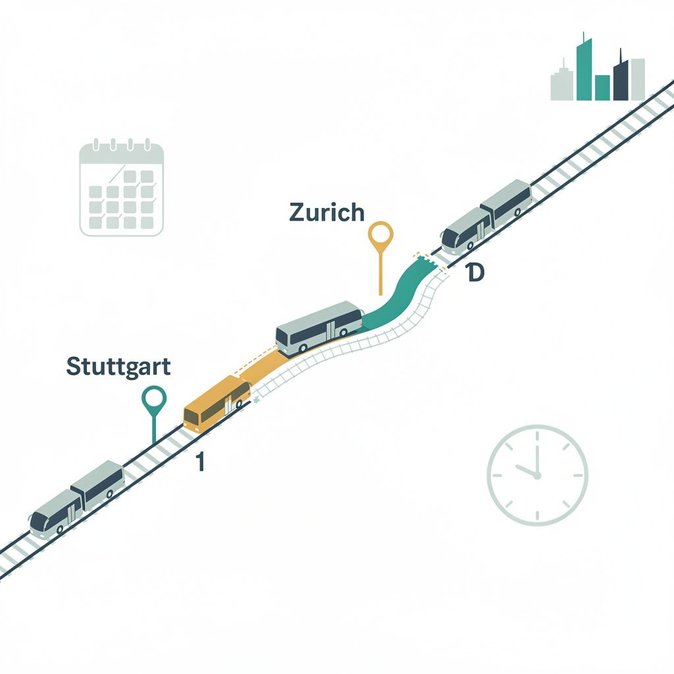
Last Day of Zurich–Stuttgart Rail Closure: Replacement Buses Until Midnight 24 July
The Zurich–Stuttgart line is in its final day of closure, with bus substitutions between Singen and Tuttlingen until late evening on 24 July. Normal service resumes 25 July, but further German works in August will again disrupt Swiss-German routes. Firms should allow extra travel time and watch SBB alerts.

UK Updates Travel Advice: Swiss–French Border Delays Still Noted After G7 Summit
The UK FCDO, in a 24 July update, continues to warn of potential delays at Swiss–French border crossings around Geneva following last month’s G7 summit. Businesses should brief travellers, allow extra time and monitor local police alerts, as ignoring official advice could invalidate some corporate insurance policies.
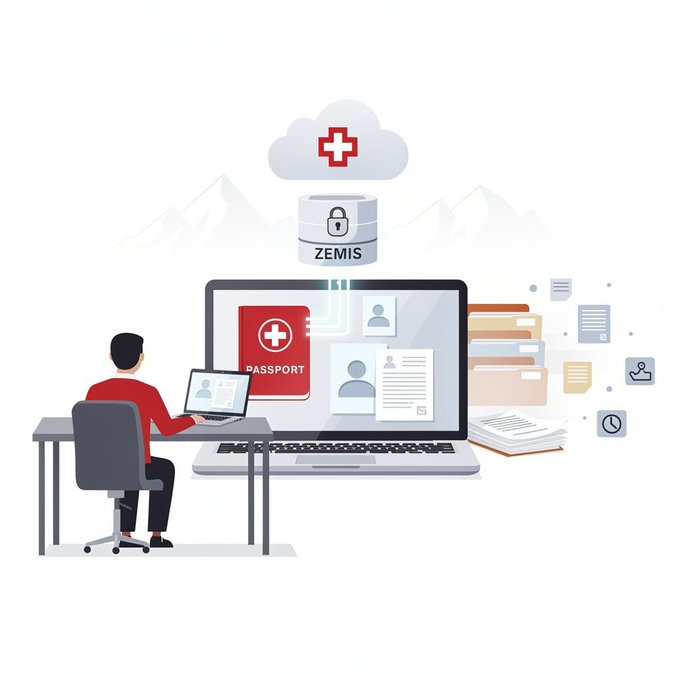
Switzerland to Digitalise Citizenship Applications from 1 August
From 1 August 2026 Switzerland will accept and process ordinary naturalisation applications entirely online via the ZEMIS database. The reform should shorten citizenship processing times by up to a month, cut paperwork for cantons and the SEM, and give employers and advisers real-time visibility of a candidate’s file. It is the first step in a broader digital migration-services roadmap.
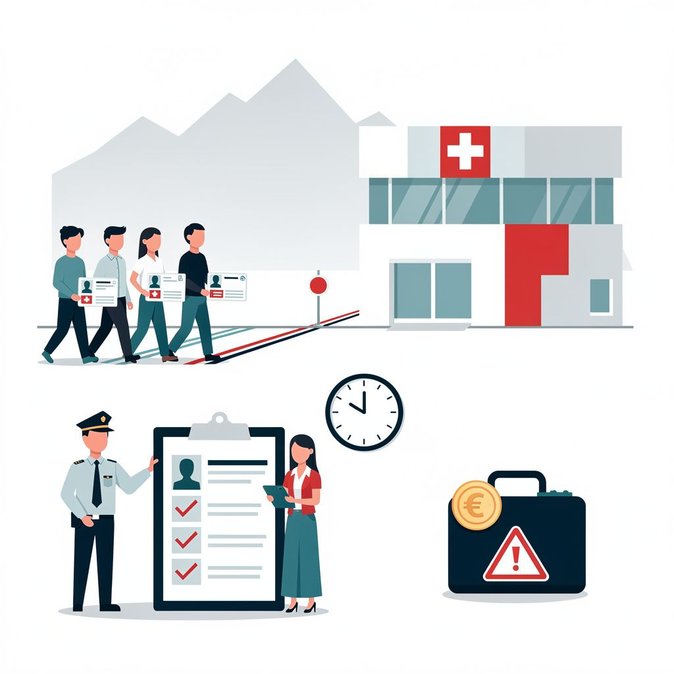
Ticino Reminds Cross-Border Workers of Stricter Permit-G Application Rules
Ticino’s migration office has tightened the administrative steps for obtaining or renewing a G-permit. Cross-border hires must complete police identity checks and file applications at least ten days before starting work, while employers face hefty fines for early onboarding. The move aims to curb unauthorised employment and improve labour-market oversight in Switzerland’s most front-tier-dependent canton.
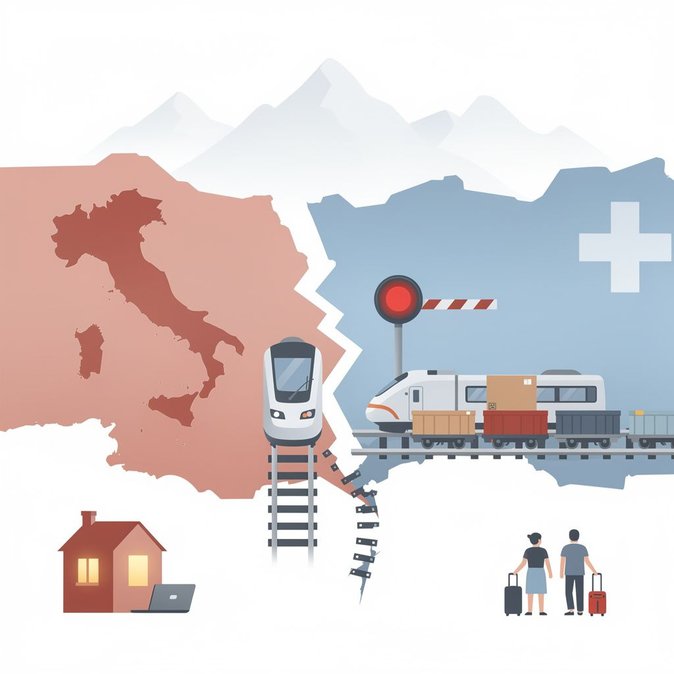
Italian 24-hour rail strike starting 23 July set to disrupt cross-border trains to Switzerland
A 24-hour rail strike beginning at 21:00 on 23 July 2026 in Italy threatens to halt or curtail cross-border passenger and freight trains serving Switzerland. Employers should warn travellers, review supply-chain contingencies and leverage remote-work options for affected frontier employees.
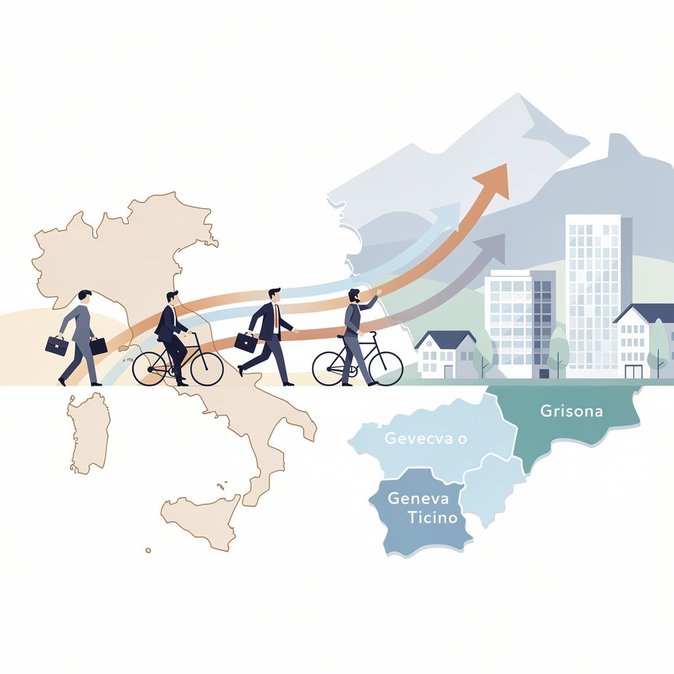
New Statistics Show 30 % Surge in Italian Cross-Border Commuters Since 2015
FSO figures show that the number of Italian residents working in Switzerland on G-permits has risen by 30 % in ten years, reaching over 91,000. Growth is no longer confined to Ticino, with Geneva, Valais and the Grisons attracting more commuters. The data will intensify discussions on wage protection but also confirm cross-border labour as a structural necessity for Swiss employers.

Cross-Border Telework: What Swiss-Based Staff Need to Know About Social-Security Cover
Specialists warn that from September the EU telework framework will change which social-security system applies to Swiss-based staff who work remotely from abroad for more than 49.9 % of their time. Employers must secure A1 certificates, adapt payroll and review insurance gaps, while employees need to confirm health- and accident-cover validity for hybrid cross-border arrangements.