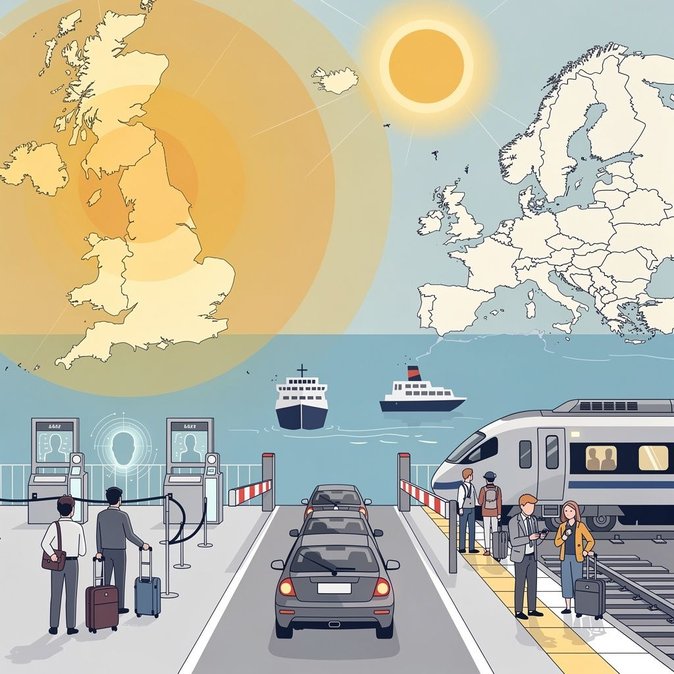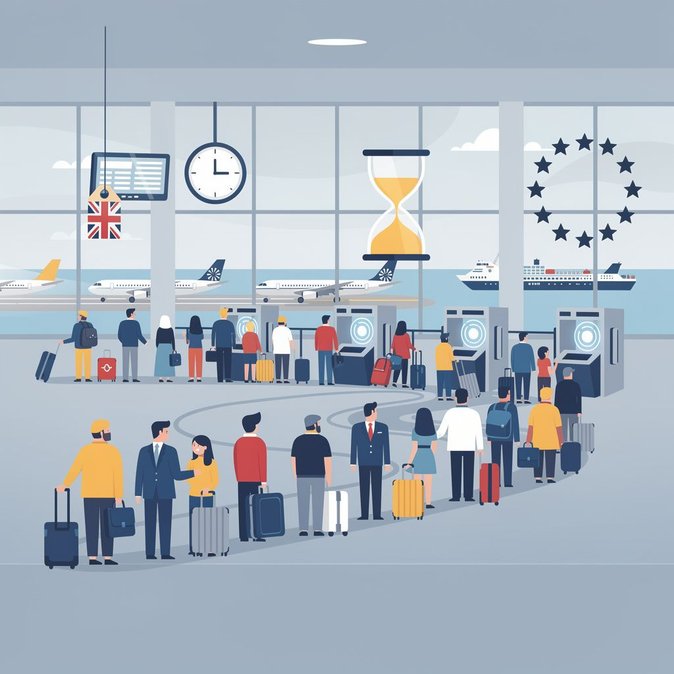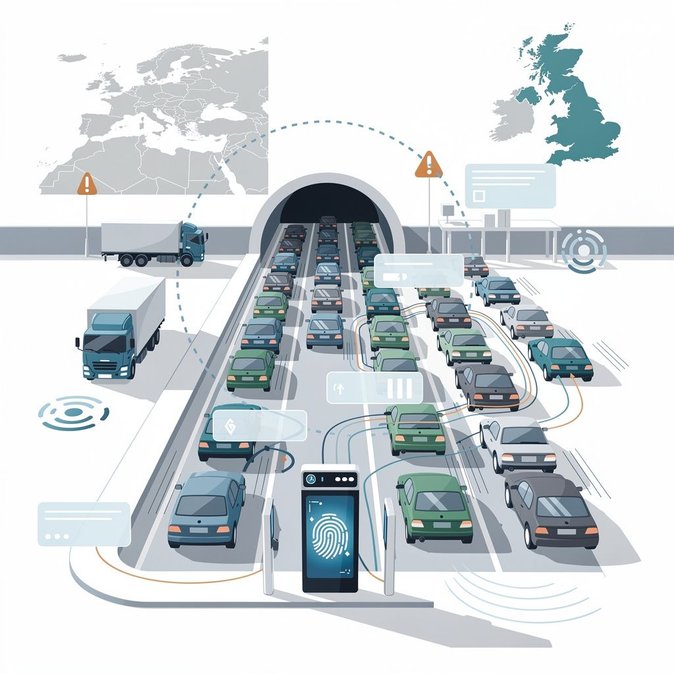
Getlink—the concessionaire that operates the Channel Tunnel—told reporters on 23 July that instability in European-level software could push back the introduction of full biometric checks for car passengers under the EU Entry/Exit System (EES). Chief executive Yann Leriche said the tunnel’s terminals are physically ready, after an €80 million investment in registration kiosks and holding lanes, but that the central IT platform supplied to all member states “is not yet fully stable”. Under current plans, the land-border component of EES is due to go live on 6 September, obliging every non-EU traveller—including British motorists—to provide facial images, fingerprints and advanced passenger data before boarding a shuttle. Getlink’s warning mirrors similar concerns raised by French border police unions and UK ferry operators, who fear peak-season bottlenecks at Dover and Folkestone if the system launches without additional testing. For business travellers, the prospect of a postponement is a mixed blessing: a delay would spare companies the immediate headache of re-routing staff or retiming deliveries, but it also prolongs uncertainty around training, communications and carrier-liability rules. Multinationals with pan-European supply chains told the CBI they have contingency plans such as freight diversions via Harwich or Hull should throughput at Le Shuttle drop by more than 25 percent during the roll-out. Leriche added that persistent negative headlines—“especially from the British side, since 80 percent of our tourists are British”—risk discouraging travellers even when actual wait times remain manageable at one to two hours. Getlink nevertheless raised its earnings guidance for 2026 on the assumption that any disruption will be “limited”. The firm also confirmed it is preparing a legal challenge to the UK Valuation Office Agency after a tripling of its business-rates bill, highlighting the broader cost pressures facing cross-border operators. Duty-of-care specialists advise corporates to monitor Getlink and EU Commission updates daily, budget for potential overnight accommodation in Calais or Kent, and remind drivers that EES registration is required every time they cross—even for same-day returns. If the software fix drags on past September, EU transport ministers may need to invoke derogations allowing phased biometric capture to keep freight and passenger flows moving.
Source: Reuters via Euronext