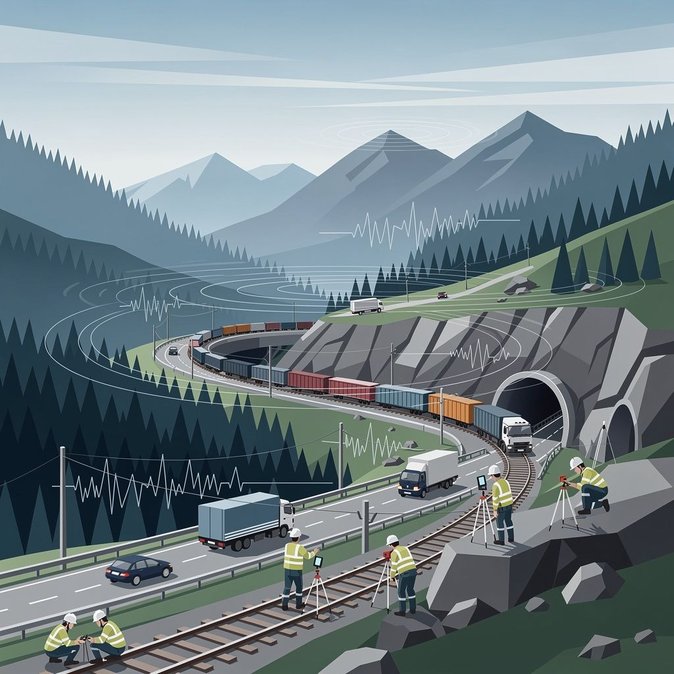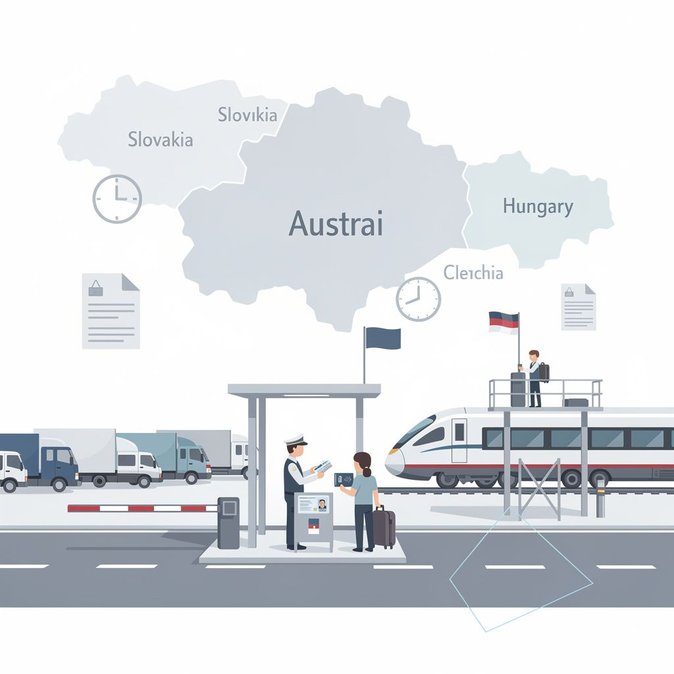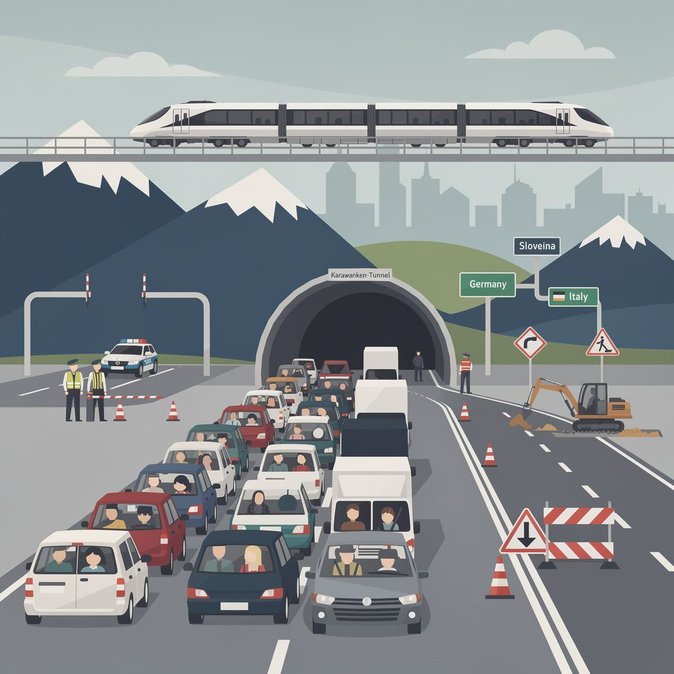
Austria’s main north-south corridors ground to a crawl on Saturday, 25 July 2026, as the first big change-over weekend of the summer school holidays sent tens of thousands of motorists towards the Adriatic and the German lakes. According to real-time data from the ÖAMTC traffic service, the worst bottleneck formed on the A11 Karawanken motorway, where the queue to exit Austria stretched seven kilometres and the waiting time to reach the Slovenian frontier exceeded 60 minutes. Travellers reported that the stand-still began at 10:00 CEST and did not ease until early afternoon. Similar scenes unfolded on the Fernpass route (B179) in Tyrol, where alternating one-way sections around tunnel works meant hour-long delays towards both the German border at Füssen and the Inntal junction. Salzburg’s A10 Tauern motorway, Vienna’s A23 Südost-Tangente and Styria’s A2 Packsattel construction zone also registered tailbacks of up to six kilometres, adding 30–45 minutes to journey times. The congestion highlights the continuing capacity squeeze on Austria’s alpine transit axes. Temporary lane restrictions for summer resurfacing projects, combined with intensified border spot-checks prompted by the EU’s revised Schengen rules, are trimming effective roadway capacity just as leisure traffic peaks. Logistics operators warned of knock-on effects for same-day courier deliveries into northern Italy and Bavaria, while coach companies advised passengers to carry extra water and allow at least two hours flexibility when connecting to flights out of Munich, Ljubljana or Vienna. Motorists can mitigate delays by departing before 06:00, using the ÖBB’s car-carrying Tauern or Nightjet services where feasible, or switching to weekday travel. The ÖAMTC also recommends purchasing the digital Slovenian e-Vignette in advance and checking border-wait dashboards to decide between the Karawanken‐Tunnel and the Loibl or Wurzen passes. With two further “black” Saturdays forecast for 1 and 8 August, employers with cross-border field staff should consider remote-work options or overnight accommodation south of the Alps to maintain productivity.
Source: exxpress