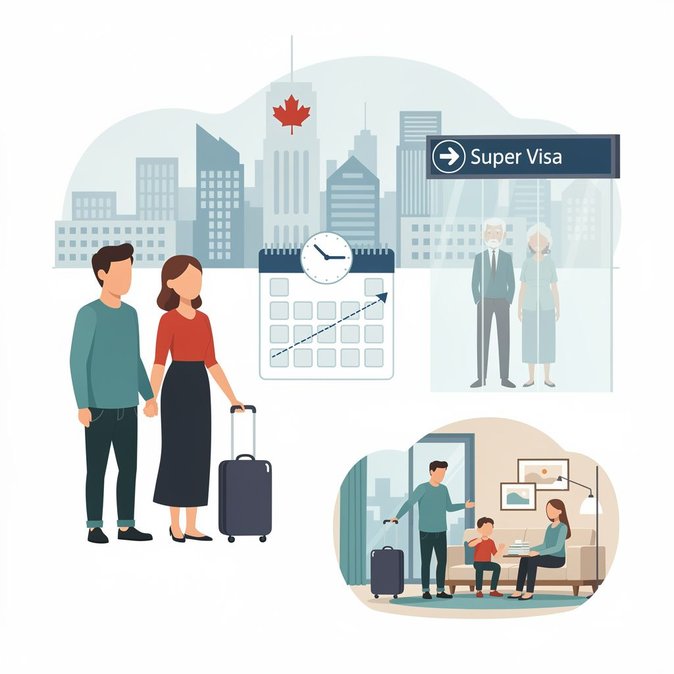
IRCC’s 27 July transition binder release also sheds light on the Family Class, revealing that in-Canada spousal sponsorship wait times have stretched to nearly three years and that overall Family Class admissions will drop under the 2026-28 Immigration Levels Plan. The document confirms that the last Parents and Grandparents Programme (PGP) intake occurred in July 2025 and reiterates that new PGP invitations remain on hold—news that will disappoint many Canadian citizens hoping to bring parents permanently. To offset longer permanent-residence queues, IRCC plans to update income thresholds for the multiple-entry Super Visa and expand eligible health-insurance providers, giving hosts more flexibility while still protecting public resources. Mobility advisers should advise employees that Super Visas may become the default option for extended parental stays. The briefing also touts “advanced analytics” and remote processing for spousal cases, signalling that further digitalisation may shorten backlogs once new systems come online. For now, however, sponsors should budget for multi-year timelines and consider open work-permits for spouses as a stopgap. Businesses relying on global talent retention should watch Family Class trends closely; inability to reunite with family is a top driver of onward migration to more family-friendly jurisdictions.
How VisaHQ can help
VisaHQ simplifies the visa application process for individuals and businesses. Check current travel requirements, prepare the required documents and manage your application online through the VisaHQ Canada portal.More From Canada
View all
IRCC publishes 2026 Deputy-Minister transition briefs, signalling policy tweaks on H&C, Quebec immigration and family sponsorship

Live-synced dashboard shows IRCC processing times as of 27 July; spousal sponsorship now at 17 months