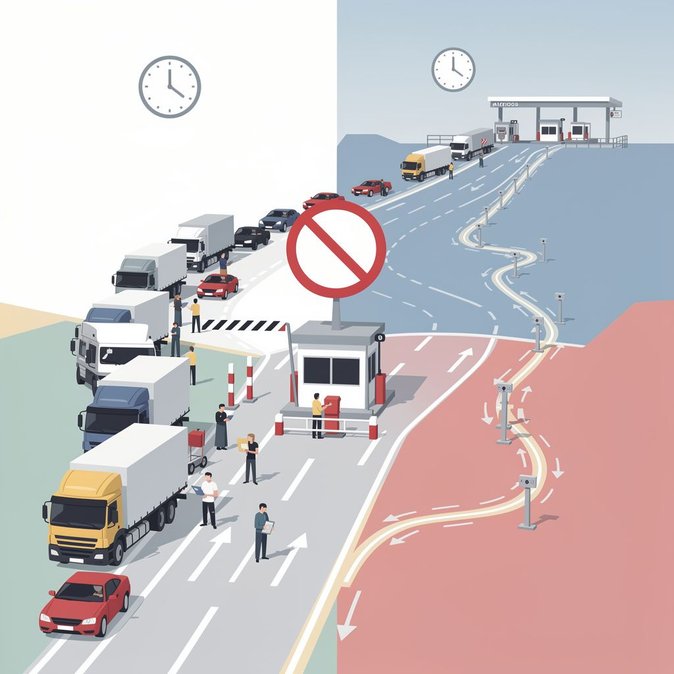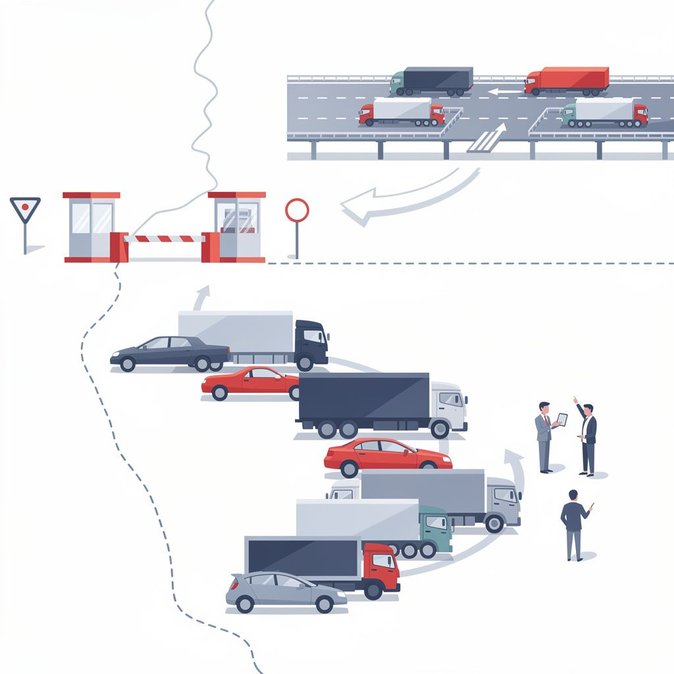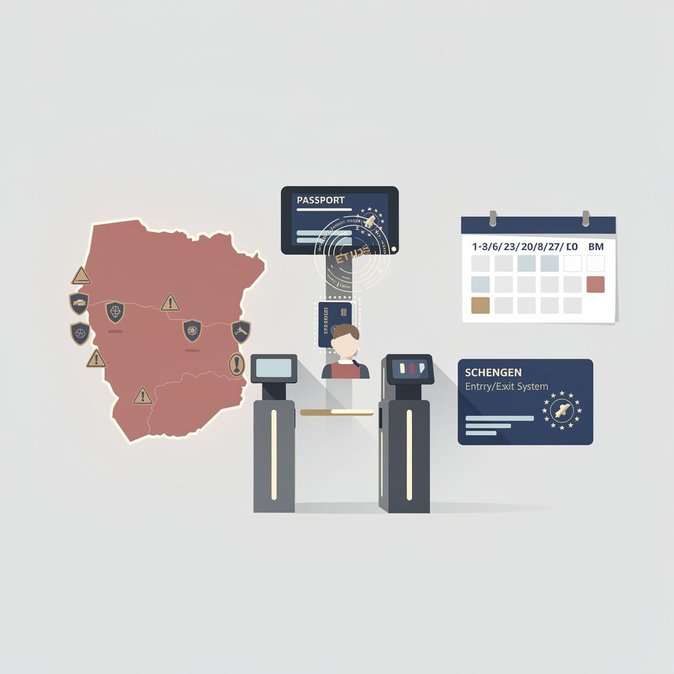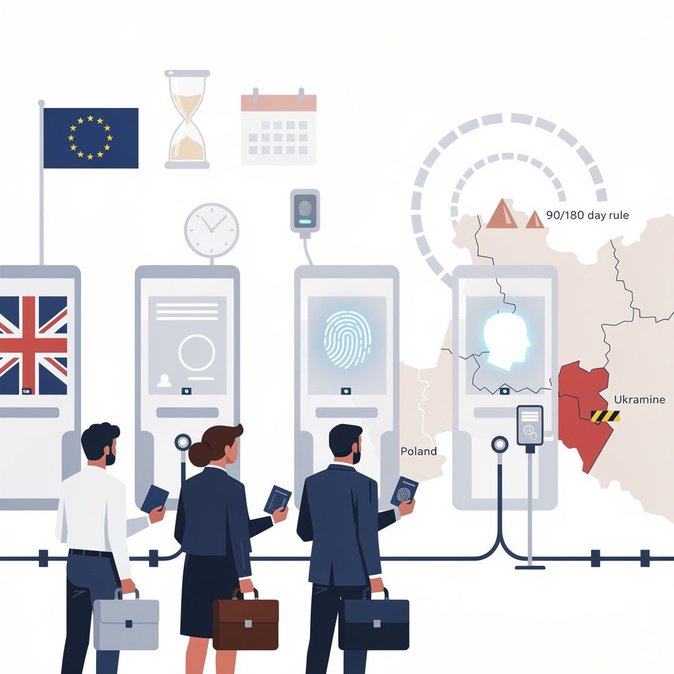
The UK Foreign, Commonwealth & Development Office (FCDO) quietly refreshed its Poland travel advice on 28 July 2026, adding important operational information that business travellers need to know before the busy late-summer season. The advisory now highlights that the EU’s automated Entry-Exit System (EES) is fully operational at all Polish external borders, including Warsaw Chopin, Kraków Balice and the land crossings with Ukraine and Belarus. Non-EU travellers will have fingerprints and facial images captured and must expect longer processing times at first entry while biometric enrolment takes place. A second, more urgent update reiterates that Russian missile strikes have occurred within 20 km of Poland’s frontier with Ukraine and that access to the immediate border area remains restricted. While commercial crossings such as Korczowa–Krakovets remain open, movements of heavy cargo and expatriate staff are subject to ad-hoc Polish and Ukrainian security checks that can add several hours to clearance times. For corporate mobility managers the twin messages are clear: build additional time into itineraries for first-time EES enrolment and continue to apply enhanced duty-of-care protocols for staff moving through south-eastern Poland. Human-resource teams should also verify that employees holding UK passports have at least two blank pages and an exit stamp before the 90-day limit resets, now calculated automatically by the EES. Travel consultants in Warsaw report that premium-lane facilitation is not yet available for biometric capture, so VIP travellers may experience the same queues as economy passengers. Companies with frequent shuttles between Poland and Ukraine are being advised to rotate drivers and vehicles to minimise exposure to the restricted zone and to keep contingency accommodation on the Polish side in case of sudden closures. Looking ahead, the FCDO says it will provide further guidance once the companion European Travel Information and Authorisation System (ETIAS) goes live. Employers that move non-visa-exempt nationalities (for example, Indian or South African engineers) should prepare for layered compliance: a valid ETIAS, the 90/180 Schengen rule and EES biometric confirmation on each entry.