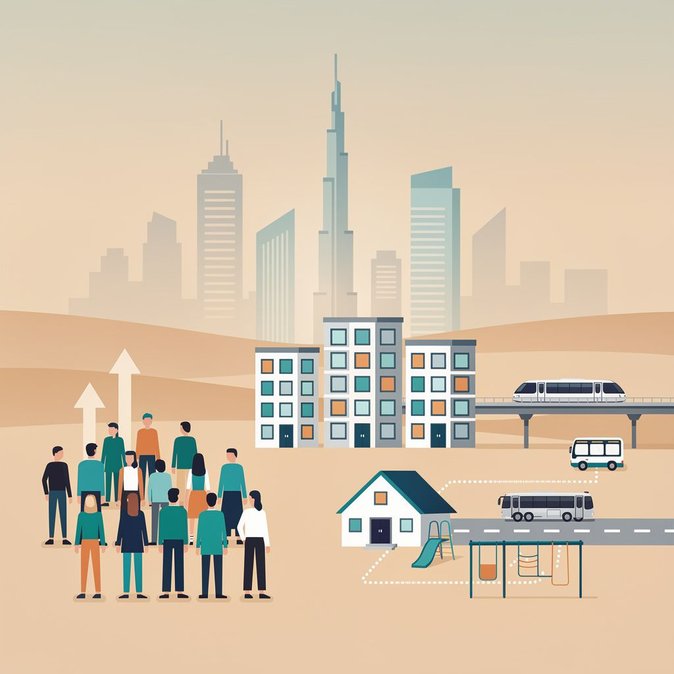
Live data from the Government of Dubai’s ‘Population Now’ dashboard shows the emirate’s resident count hitting 4,741,335 at 13:45 on 30 July, an increase of more than 161,000 people since 1 January. The surge—roughly 1,100 new residents every day—comes despite regional geopolitical tensions and follows a record 332,000-person jump in 2025. Officials attribute the sustained growth to streamlined immigration channels such as the Golden Visa, expanded Green Visa categories for skilled workers and property investors, and aggressive recruitment in sectors ranging from AI to hospitality. The General Directorate of Residency and Foreigners Affairs (GDRFA) says more than five million entry permits were issued in the first half of the year, underlining Dubai’s magnetism for project-based consultants and remote workers. The figures carry practical implications for multinationals managing mobility programmes. Day-time population—residents plus commuters and tourists—now peaks at 6.39 million, straining transport, healthcare and schooling capacity. Companies relocating staff should factor in longer lead times for family housing and school placements, while HR teams may need to revisit cost-of-living allowances as rents in prime districts climb 8-10 percent year-on-year. City planners are responding with a pipeline of infrastructure projects: the Roads and Transport Authority is fast-tracking a new metro corridor to Dubai South, and regulators have approved 40,000 additional free-zone work permits for 2027. Meanwhile, the Executive Council has directed agencies to publish quarterly dashboards so employers can anticipate demographic shifts and adjust workforce strategies. For expatriates already on the ground, the growth story is a vote of confidence in Dubai’s long-term stability. But it also means tighter compliance: immigration authorities are running more spot-checks on overstayers and reminding firms that residence-visa holders who stay abroad for over six months risk automatic cancellation.
Source: Khaleej Times