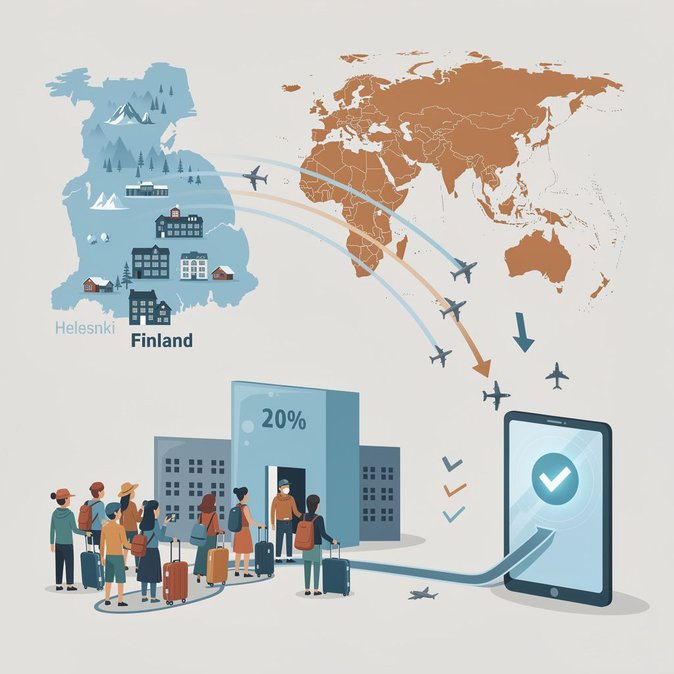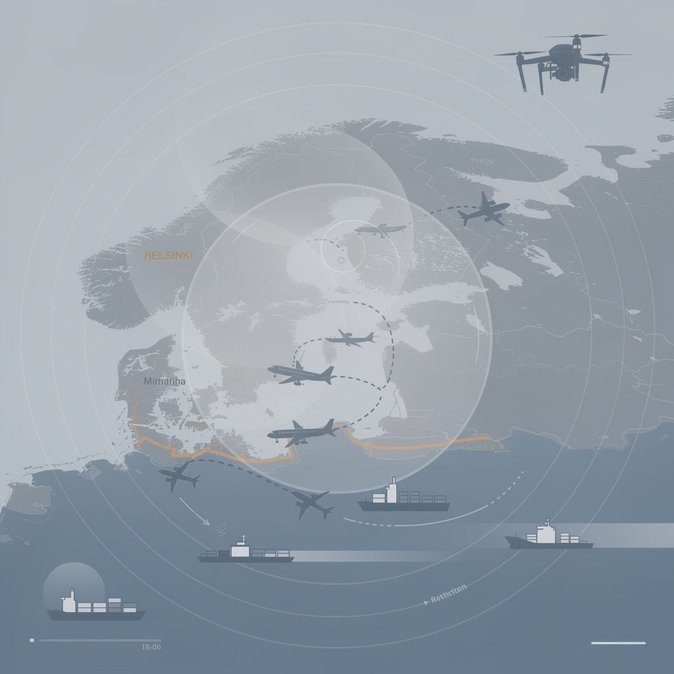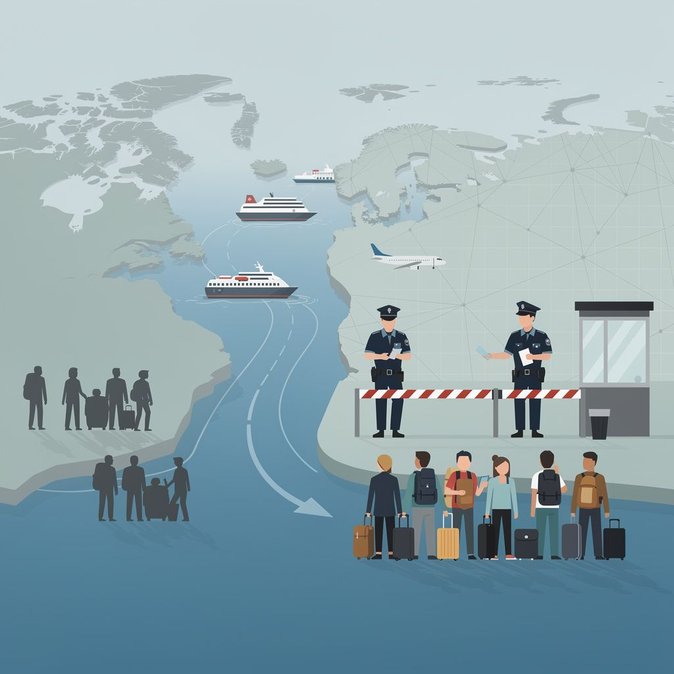
Finnish corporate mobility managers woke up on 30 July to fresh signs that the EU’s eastern flank is again being tested by state-sponsored irregular migration. An Estonian Police and Border Guard Board (PPA) sweep in Tallinn’s Nõmme district detained 12 people who had allegedly crossed into Estonia illegally; the PPA confirmed that 63 migrants were apprehended in the past week alone. Senior PPA official Egert Belitšev told public broadcaster ERR that the “focal point of hybrid warfare has now shifted toward the Baltic states and Finland”, citing Belarusian facilitation of migrant flows at Russia’s encouragement. Although the incident occurred on Estonian soil, Finnish officials are watching closely because most of the irregular travellers aim to continue north toward the Helsinki region, taking advantage of frequent maritime and air links. Since December 2023, all eight road crossings on Finland’s 1 340-kilometre land border with Russia have been closed, leaving Baltic maritime routes—and increasingly Baltic land corridors—as the primary vectors for secondary movements into Finland’s Schengen territory. The Border Security Act, extended to December 2026, gives the Finnish government powers to shut ports or re-introduce internal controls at short notice, but logistics managers warn that such measures disrupt just-in-time supply chains between Finland and continental Europe. The latest uptick coincides with peak summer travel and the arrival of thousands of international workers for the Finnish berry-picking, construction and tech seasons. Employers sponsoring residence permits worry that heightened security checks may lengthen already-tight 23-day average processing times at the Finnish Immigration Service (Migri) for work-based permits, and that ad-hoc port inspections could delay key talent arrivals. Airlines and ferry operators—particularly those on the busy Tallinn–Helsinki route—face potential schedule slippage if passenger screening is intensified. From a compliance perspective, companies should be ready to document employees’ right to enter Finland even when travelling intra-Schengen. Mobility teams are advised to brief travellers on possible ID spot-checks on ferries and at Helsinki Airport, carry copies of residence permit cards, and build contingency buffers into project start dates. Finnish authorities have reminded employers that D-visa holders may proceed directly to worksites but must still report to the Digital and Population Data Services Agency within 90 days. Strategically, the incident underlines how geopolitics can turn Europe’s freedom-of-movement rules into corporate-risk variables. Firms with operations in Finland, the Baltics and Poland should revisit hybrid-threat scenarios in their business-continuity plans, ensure that posted-worker documentation is watertight, and monitor forthcoming EU discussions on instrumentalised migration—where Helsinki is expected to push for rapid-reaction border measures that balance security with labour-market needs.
Source: ERR News