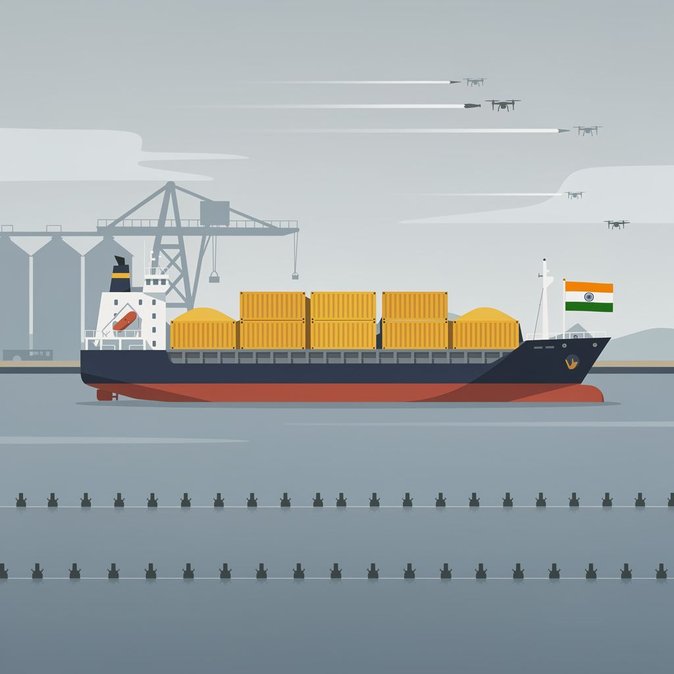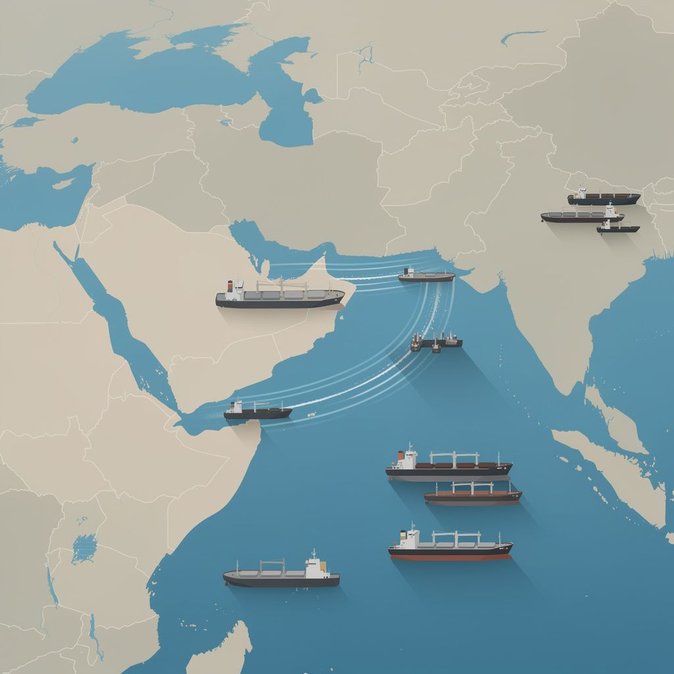
S&P Global data released on 30 July paints a cautiously positive picture for shippers worried about the twin chokepoints that funnel a fifth of the world’s seaborne trade. According to the analytics firm, 32 vessels transited the Bab el-Mandeb on 27 July and 15 crossed the Strait of Hormuz—figures broadly in line with the July average even after a string of drone incidents against tankers. The mix included VLCCs carrying Saudi crude, product tankers, container ships and smaller landing craft, with roughly one-third of Bab el-Mandeb movements heading into the Red Sea for the Suez Canal. Notably, five Hormuz transits involved ‘dark’ vessels without active AIS beacons, underscoring continued grey-zone activity in Gulf waters. Analysts also point to an unprecedented 47 million barrels of Iranian oil now sitting in floating storage—up from 30 million mid-month—as sanctions and routing risks complicate discharge schedules. For India Inc., steadier volumes translate into fewer near-term freight spikes. India sources over 60 % of its crude from West Asia; any sustained disruptions would have forced refiners to scramble for Atlantic Basin cargoes, adding up to US$2 per barrel in freight premiums. Meanwhile, export-oriented manufacturers—especially the pharmaceuticals and textiles sectors—can expect sailing schedules to remain predictable in the short run. Still, compliance teams are urged to monitor insurance clauses: war-risk premia on cargo transiting Hormuz are hovering at 0.75 % of hull value, almost triple the figure a year ago. Forwarders should also watch for potential EU or US secondary sanctions on vessels that switch off AIS in the Gulf, a practice regulators increasingly view as red-flag behaviour.
Source: India Shipping News