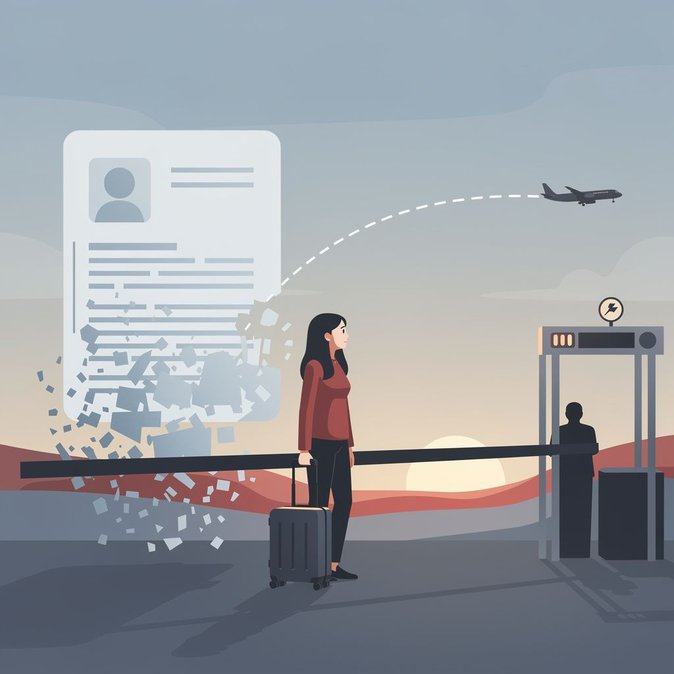
Immigration attorneys are warning of a potentially sweeping policy shift after U.S. Citizenship and Immigration Services revoked Deferred Action for Childhood Arrivals (DACA) protection from a Texas mother of three, citing “unauthorized international travel.” The woman—who had maintained DACA status for nearly a decade—was deported to Mexico this week despite having no criminal record and holding steady employment. Under long-standing guidance, DACA recipients may leave the United States only with advance parole granted for educational, humanitarian, or employment reasons. Advocates say USCIS has historically exercised discretion for short emergencies, but the agency now appears to be applying a zero-tolerance interpretation, canceling protection retroactively and initiating removal. Corporate mobility teams that employ DACA-protected talent in STEM and skilled-trade roles are on alert. Any employee who departed the country—even briefly—for bereavement or urgent family matters could see their status scrutinized. Loss of work authorization triggers I-9 compliance violations, project delays and, in some states, professional-license invalidation. Practitioners recommend that HR departments immediately audit travel histories of DACA staff, ensure advanced-parole documents are on file, and budget for expedited legal filings if Notices to Appear are issued. Companies may also need to update relocation policies to prohibit cross-border assignments for DACA beneficiaries until clearer guidance is released. Immigrant-rights groups are preparing litigation, arguing that retroactive revocations violate due-process protections and the Administrative Procedure Act. A patchwork of court rulings has already left the DACA program in legal limbo; employers fear that aggressive enforcement could accelerate talent loss in sectors from healthcare to information technology.
Source: Associated Press