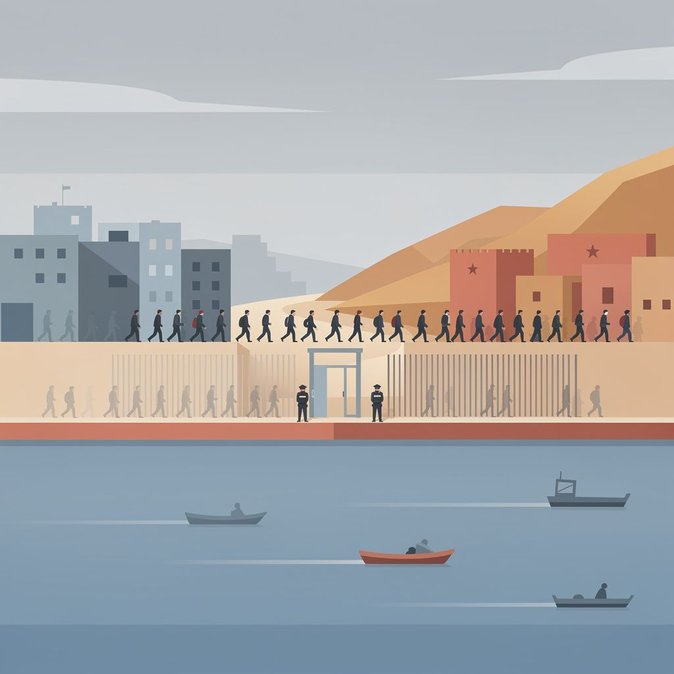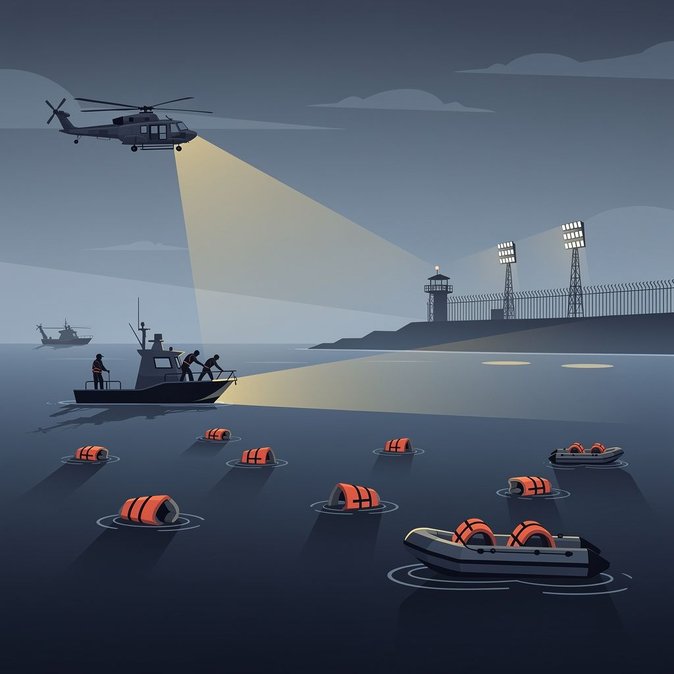
Forensic teams in Ceuta recovered nine additional bodies from coastal waters on 1 August, pushing the confirmed death toll from last week’s mass entry to 94, El País reports. Many victims showed signs of hypothermia and propeller injuries, evidence that swimmers tried to cling to fishing boats after currents dragged them away from the Tarajal jetty. The Institute of Legal Medicine has set up a temporary morgue in an ice-skating rink, and DNA samples are being cross-checked with data provided by Moroccan authorities. Families searching for missing relatives are being guided to a help-desk staffed by Red Cross interpreters. Beyond the humanitarian tragedy, the rising fatality count increases legal exposure for Spain’s security forces. Human-rights lawyers argue that crowd-control measures and the new floating barrier could constitute “reckless endangerment” if shown to obstruct rescue operations. The Interior Ministry says all deaths occurred on the Moroccan side of the maritime boundary. Companies with CSR programmes in North Africa are already fielding employee questions about volunteering and donations. Mobility managers should be prepared to address safety concerns from staff assigned to Ceuta, Melilla or Gibraltar, as media images of body recovery can heighten perceived risk even where actual threat to expatriates is low. The grim statistics also fuel political pressure on both Madrid and Brussels to negotiate a more robust rescue-coordination protocol with Rabat before the late-summer migration season peaks.
Source: El País