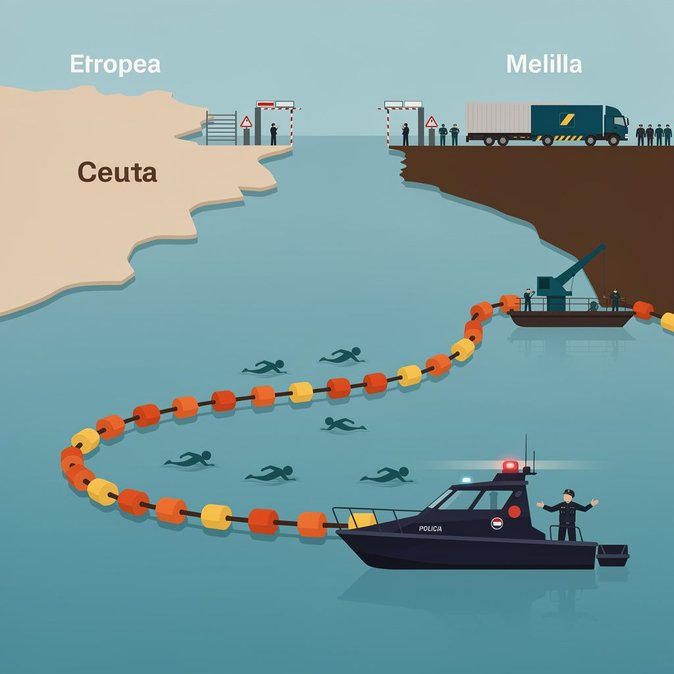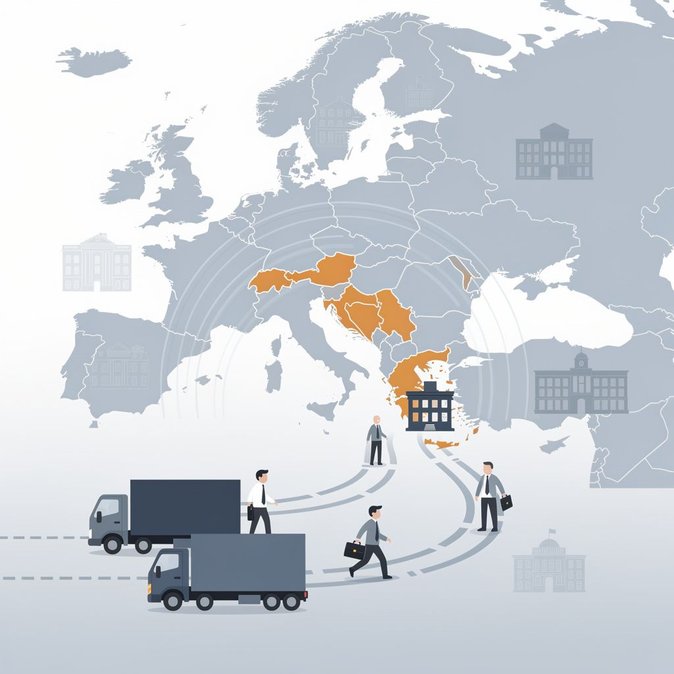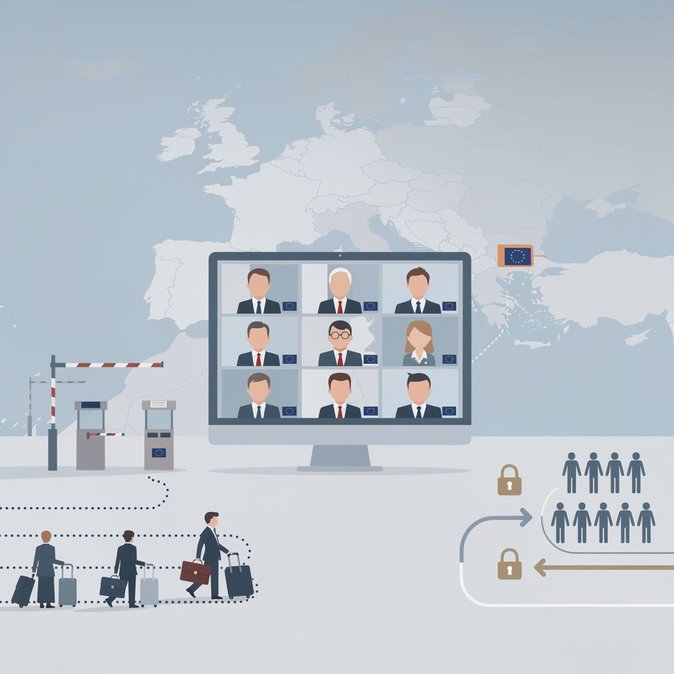
Brussels convened an extraordinary videoconference of the 27 EU interior ministers on 4 August after nearly 50,000 people crossed from Morocco into the Spanish enclave of Ceuta on 30 July. Although almost all of the migrants turned back within 24 hours, the sudden breach triggered a political after-shock that is still reverberating across the bloc. In the days that followed the incident, 22 heads of state and government—mostly from the centre-right—signed an open letter accusing Prime Minister Pedro Sánchez of creating a “pull factor” by recently regularising long-term undocumented migrants already living in Spain. Sánchez fired back, calling the criticism "prejudice, fake news and political interest" and reminding partners that Spain had previously taken in asylum-seekers diverted toward other EU front-line states. France, Luxembourg and Portugal refused to sign the letter, arguing that public finger-pointing would only weaken the Union’s collective migration policy. Tuesday’s online meeting, chaired by Ireland in its capacity as Council presidency, is not expected to deliver concrete legislation. Diplomats say ministers mainly want to be seen taking a tough line before far-right parties exploit the crisis. Several governments—including France, Germany and Denmark—have already re-established random police checks at their internal borders under existing Schengen derogations, a practice critics say has become semi-permanent since 2015. Analysts point out that irregular entries into the EU are actually falling. European Commission President Ursula von der Leyen, in a letter to Sánchez leaked to the press, noted that clandestine arrivals were down 37 % in the first half of 2026. Think-tanks such as the European Policy Centre argue that migration policy is now driven more by electoral emotion than by data. Yet the Ceuta flashpoint has exposed just how politically combustible border management remains—and how quickly one member state’s emergency can shake confidence in passport-free travel for the rest. For businesses, the main risk is a domino effect of ad-hoc border checks that slow supply chains and complicate intra-EU travel itineraries at short notice. Mobility managers should monitor country notifications under the Schengen Borders Code and plan for possible document inspections on road corridors and at secondary airport gates, even for routine corporate trips between Spain and northern Europe.
Source: Le Monde