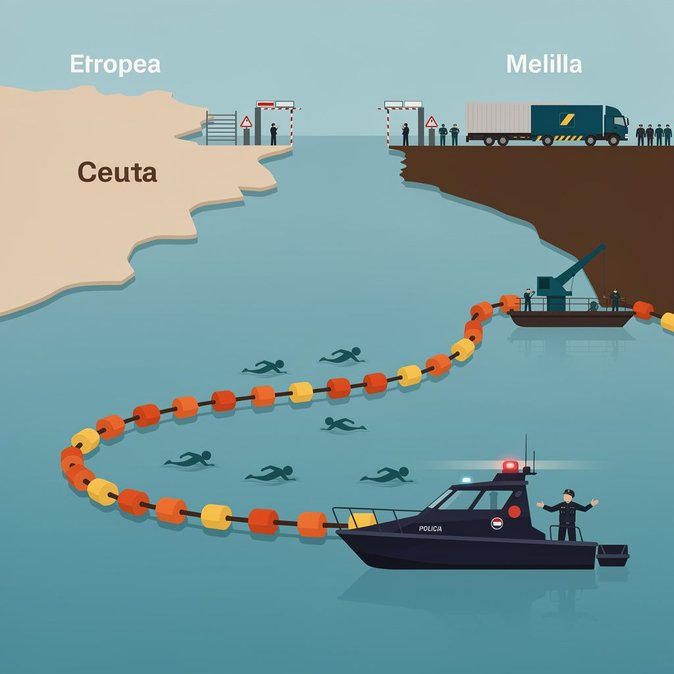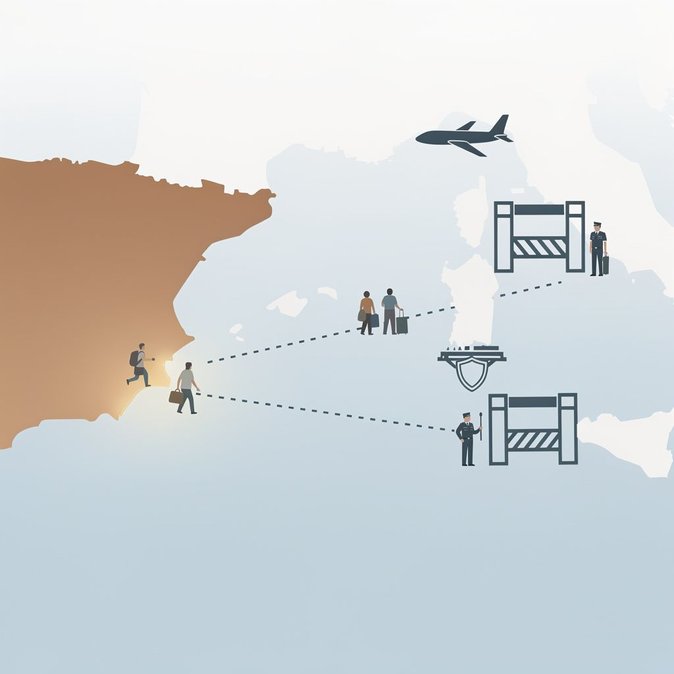
Italian Prime Minister Giorgia Meloni on Monday doubled down on her decision to re-introduce air and sea border controls for passengers arriving from Spain, citing security fears after the Ceuta incident. The announcement came amid a barrage of criticism aimed at Spain’s government from right-wing leaders across Europe. Speaking to reporters, Spanish premier Pedro Sánchez dismissed the attacks as “politically motivated” and pointed out that most of the migrants were intercepted and returned in cooperation with Morocco within hours. He accused several EU partners of exploiting the episode to score domestic points and warned that unilateral measures threaten the integrity of the Schengen zone. Italy’s interior ministry insists the checks will be “targeted and selective”, focusing on non-EU nationals and lasting for an initial ten days. While travellers will not need additional visas, they should expect manual document inspection upon arrival at Italian ports and airports. Airlines have been instructed to transmit advanced passenger information to Italian police 30 minutes before departure from Spain—a requirement that could cause operational bottlenecks during the busy holiday season. For mobility managers the immediate impact is operational rather than legal: extended processing times, potential flight delays and the need to brief assignees on carrying proof of residence or onward tickets. Companies that shuttle staff between Barcelona or Madrid and Italian hubs such as Milan or Rome should build in extra buffer times and monitor carrier advisories. Longer term, the spat underscores how quickly intra-EU travel freedoms can be curtailed when migration crises erupt at the bloc’s periphery. Contingency planning for sudden Schengen derogations—once seen as rare—has become an essential part of risk management for pan-European mobility programmes.
Source: Associated Press