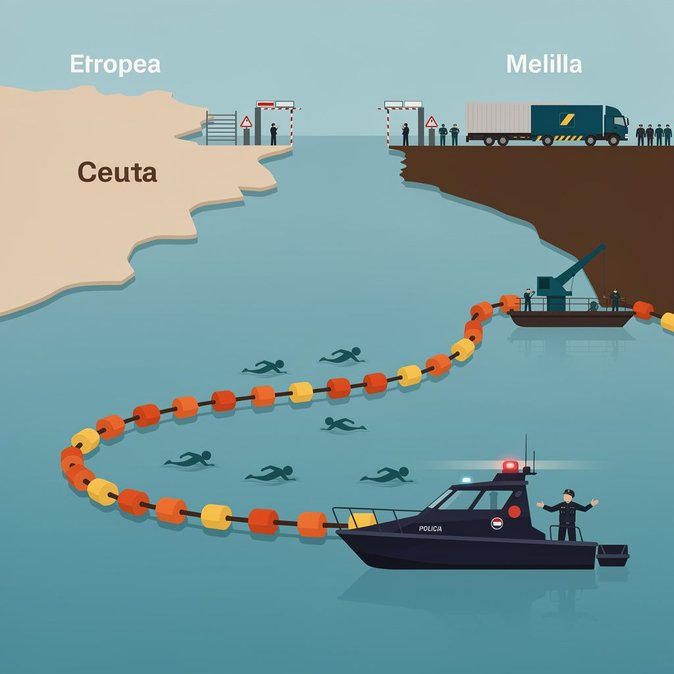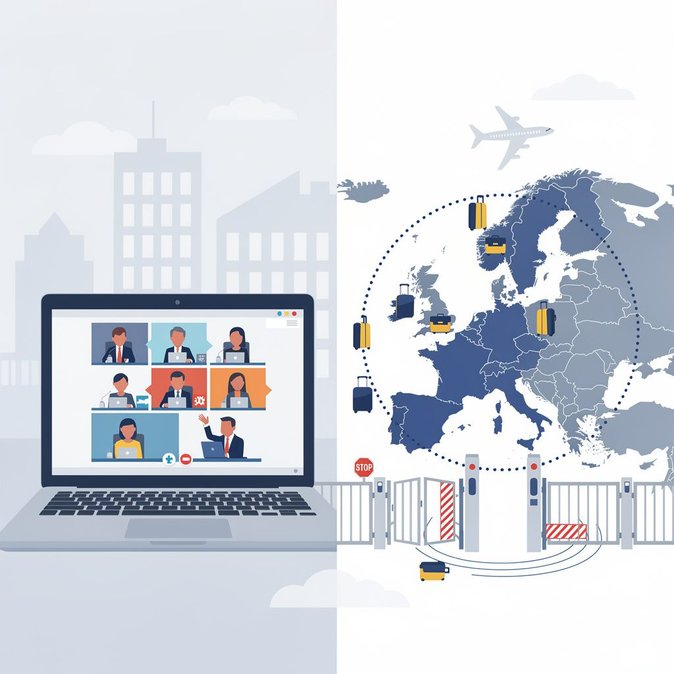
At Dublin’s request, the EU’s 27 interior ministers logged into a hastily convened video call on 4 August to ‘draw lessons’ from the sudden influx of some 50,000 Moroccan nationals into the Spanish enclave of Ceuta just five days earlier. While all participants professed solidarity with Madrid, fissures quickly appeared. A bloc of 22 member-state leaders had already circulated a hard-hitting letter accusing Prime Minister Pedro Sánchez of creating “pull factors” through his April regularisation programme for undocumented workers. During the call—details of which were reported by Le Monde—ministers from Italy, Denmark and Germany pressed for tougher external-border measures, including the outsourcing of asylum processing to third countries. Spain, backed by France, Luxembourg and Portugal, countered that existing flows into the EU have fallen 37 % this year and warned against “emotion-driven” policymaking. For global employers, the debate is more than political theatre. Should the hard-line camp prevail, free movement within the Schengen area could face renewed internal controls, raising the administrative burden on cross-border commuters and frequent flyers. The European Parliament’s LIBE Committee has already scheduled an extraordinary session for Thursday, and corporate-immigration advisers expect proposals ranging from accelerated ETIAS roll-out to new carrier-liability rules. Until consensus emerges, mobility managers should monitor carrier advisories for pop-up ID controls on land borders—particularly in France and Italy, whose governments face strong domestic pressure to ‘do something’ about Ceuta. They should also be prepared for accelerated policy swings in advance of the October European Council, where migration is set to dominate the agenda.
Source: Le Monde (English)