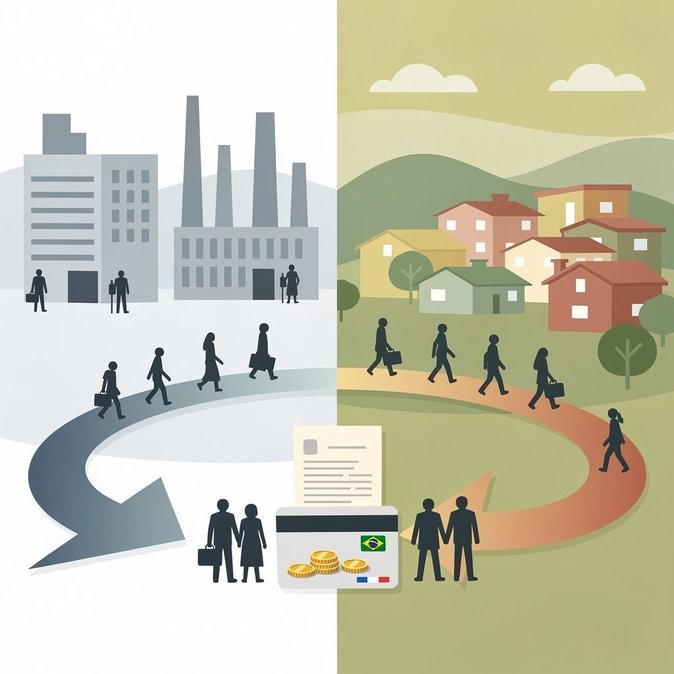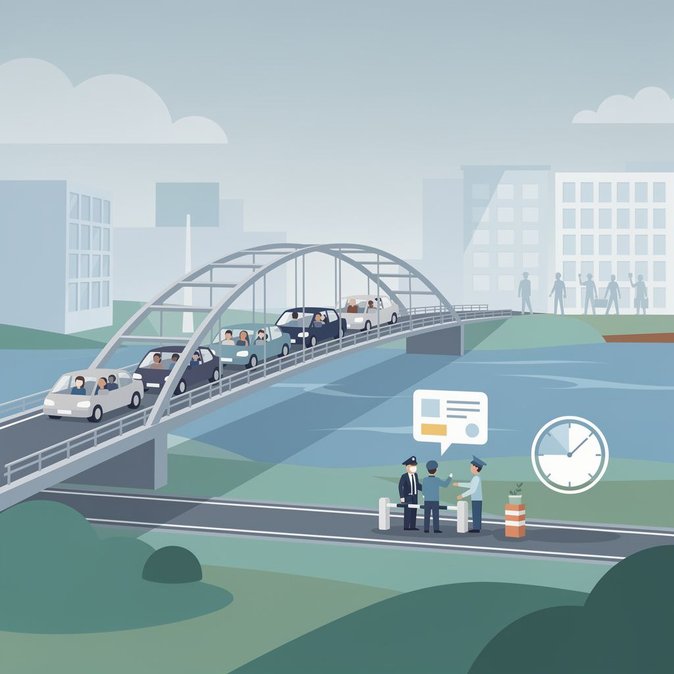
The long-awaited second bridge between Brazil and Paraguay—formally called Ponte da Integração—quietly entered its next operational phase on 14 September 2026. From 7:00 a.m. to 1:00 p.m. every day, private cars registered to residents of Foz do Iguaçu (Brazil), Ciudad del Este, Presidente Franco and Hernandarias (Paraguay) may now cross, provided every occupant holds the Documento de Trânsito Vicinal Fronteiriço (DTVF). The DTVF is a special pass created under Mercosur rules to ease day-to-day commuting in twin-city border regions. Paraguay’s migration authority charges 234,154 guaraníes—roughly US$ 31—for issuance, while Brazil’s side charges the equivalent of US$ 12, a price gap that has already prompted complaints in Asunción. Early statistics show Paraguayans rushing to obtain the Brazilian document, whereas no Brazilian applications were filed in Ciudad del Este as of launch morning. The bridge remains off-limits for shopping runs: customs officials will allow only ‘subsistence goods’, and freight trucks must still return loaded via the older Friendship Bridge. Empty articulated lorries, however, gained a new 18:00-05:00 slot to cross via the Integration Bridge, a move logistics firms say could save 20 minutes per loop and de-congest downtown traffic. For local employers—particularly the maquila factories on the Paraguayan side and the tourism industry in Foz—the limited opening is both relief and headache. Staff living across the Paraná River can now commute by car but must secure a DTVF for every family member in the vehicle, adding paperwork and costs. Cross-border HR teams are advising workers to apply early, as processing can take up to 72 business hours and requires apostilled criminal-record certificates. Longer term, regional planners expect the Integration Bridge to assume 40 % of the corridor’s light-vehicle traffic once full opening hours are authorised. For now, multinationals with operations in the tri-border area must juggle two sets of passes, two bridges and three different customs regimes.
Source: Foz é Assim