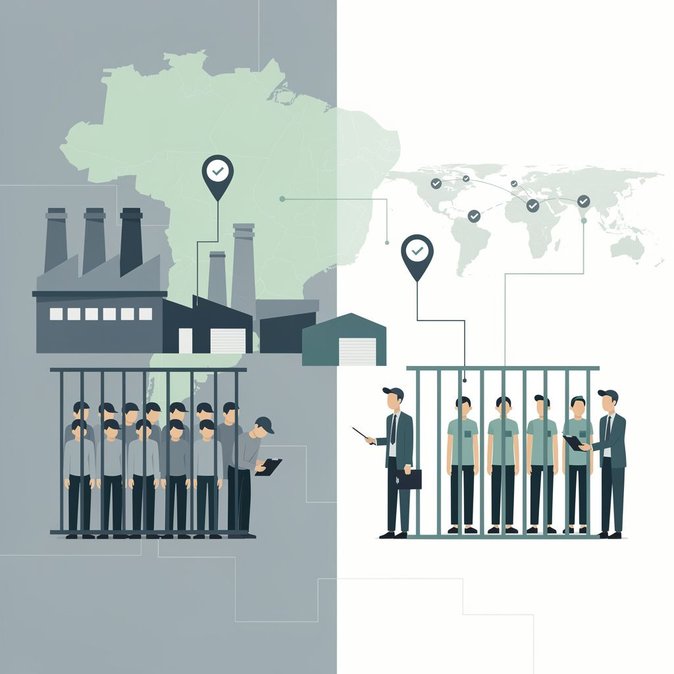
The Labour Inspectorate (SIT) on 15 September 2026 released consolidated figures showing that 479 workers — many of them Bolivian, Paraguayan and Venezuelan migrants — have been removed from conditions analogous to slavery in 231 operations so far this calendar year. The publication follows a joint Federal Police and Labour Ministry action in Goiás last week and provides the first nationwide snapshot since new anti-trafficking protocols took effect in January. While the majority of rescues occurred in the agribusiness and textile sectors, officials singled out construction sites preparing for the 2027 Pan-American Games in Recife as an emerging hotspot. Inspector-General Patrícia Sato said that tighter border controls alone are not sufficient: “We need corporate due diligence through the entire supply chain, especially from multinationals overseeing large infrastructure projects.” For mobility and compliance managers, the numbers matter. Under Ordinance 1.686/2025, companies found complicit in slave-like conditions can be barred from hiring foreign workers for up to two years and lose access to expedited visa channels. At least six construction firms have already been suspended from Brazil’s trusted-employer programme (TEP), delaying hundreds of incoming skilled visas. Best practice now includes quarterly on-site audits and contract clauses requiring subcontractors to certify compliance with decent-work standards. The SIT’s interactive map of rescue locations, launched alongside the report, allows HR teams to focus monitoring on high-risk states such as Pará and Mato Grosso.