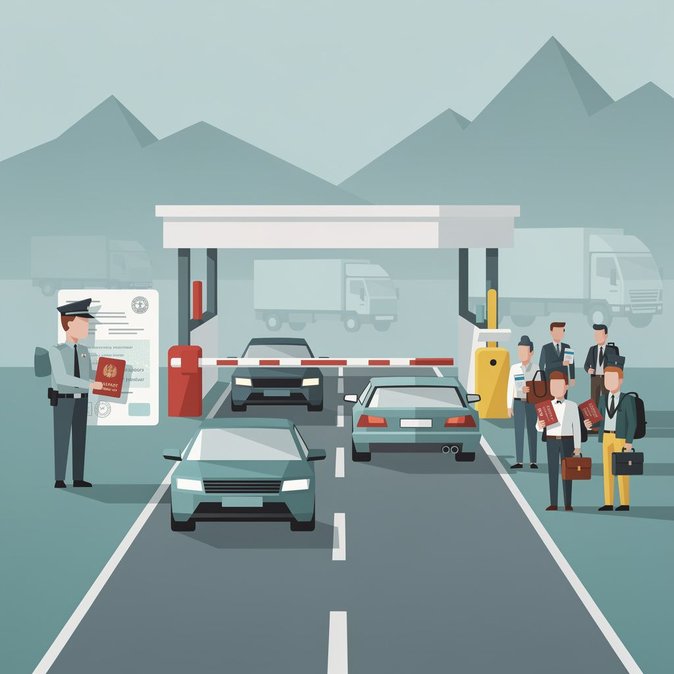
Germany has formally notified the European Commission that it will temporarily re-introduce controls at all land borders with its neighbours—including the 360-kilometre frontier with Switzerland—from 00:00 on Wednesday, 16 September 2026. Berlin cites “continued serious threats to public security and order posed by irregular migration and migrant-smuggling networks” as the main driver. The measure, announced on 15 September via the EU’s Schengen Border-Code notification portal, will initially run for six months, until 15 March 2027, but can be renewed in half-year increments if the risk assessment persists. For cross-border commuters and business travellers who rely on the normally control-free Schengen crossing points between Basel, Schaffhausen, St Gallen and Germany’s Baden-Württemberg and Bavaria, the change means they must again factor possible document checks and congestion into their itineraries. Although Germany has pledged to keep all authorised crossings open, federal police will conduct spot checks and may redirect traffic at busy periods. Swiss authorities have issued an advisory urging travellers to carry valid passports or ID cards, residence permits and—where applicable—work-authorisation documents to avoid delays. The re-imposition comes at a delicate time in Swiss-EU relations. Switzerland is not a member of the EU, but as a Schengen-associated state it is obliged to mirror many aspects of the bloc’s border-management rules. Berne’s State Secretariat for Migration (SEM) said it “takes note” of Germany’s decision and will monitor waiting times, especially at the Basel/Weil-am-Rhein motorway and rail crossings that handle more than 40,000 Swiss-bound commuters daily. Logistics associations are already warning of knock-on effects for just-in-time supply chains serving the life-sciences and automotive clusters along the Upper Rhine Valley. For international companies with staff based on both sides of the border, practical steps include: re-checking the validity of EU/Swiss residence cards, providing mobile workers with employer attestations detailing their need to cross, and advising early-morning travellers to add 30–45 minutes of buffer time. Firms should also remind posted workers from third countries that their Schengen C visas or Swiss work permits must be on hand in physical form; digital copies are not accepted by border police. Payroll teams should anticipate possible overtime claims from drivers or technicians caught in queues. While the measure is framed as temporary, past experience shows that internal Schengen checks often become semi-permanent. Businesses are therefore wise to plan for a protracted period of friction on the Swiss-German border and to review alternative rail or air options—such as Zurich-Stuttgart flights—if road bottlenecks intensify.
How VisaHQ can help
VisaHQ simplifies the visa application process for individuals and businesses. Check current travel requirements, prepare the required documents and manage your application online through the VisaHQ Switzerland portal.More From Switzerland
View all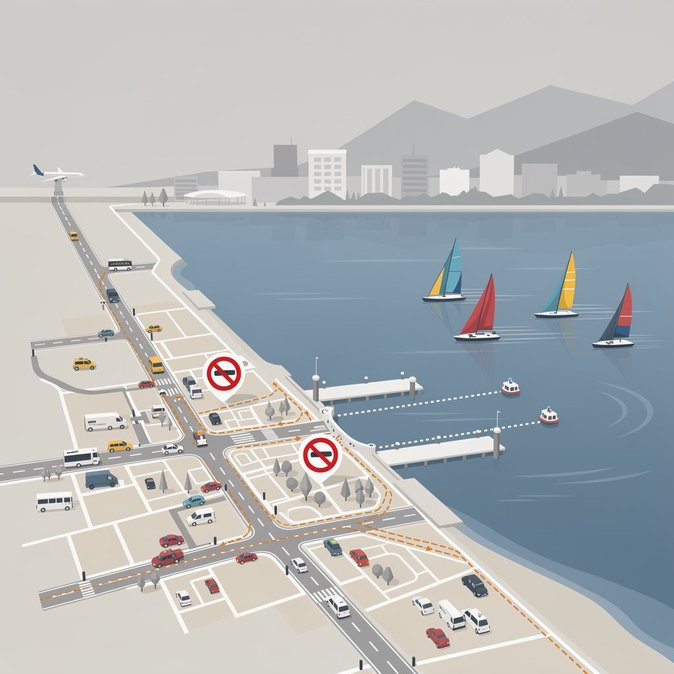
Geneva Police Issue Road-Closure Schedule ahead of Rolex Sail Grand Prix, Advise International Visitors to Plan Airport Transfers
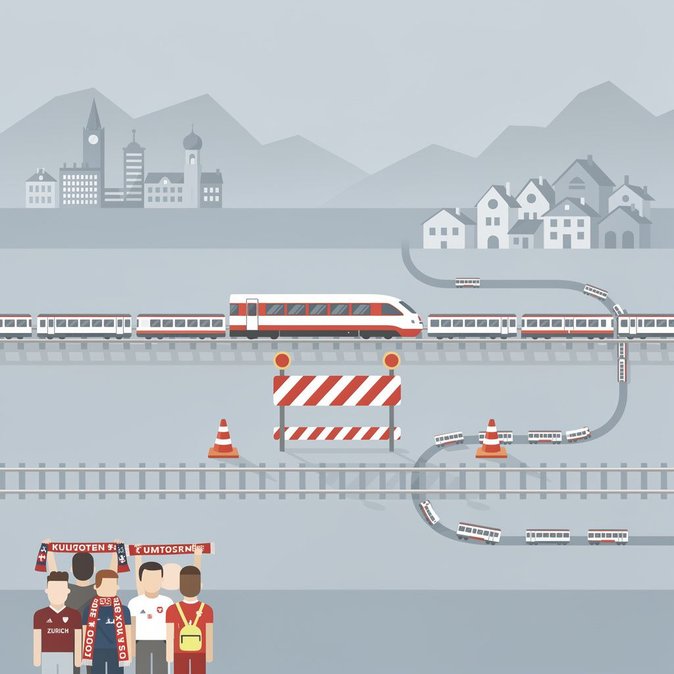
SBB scraps special fan train to Sion–Zurich match amid engineering works, urges travellers to re-route