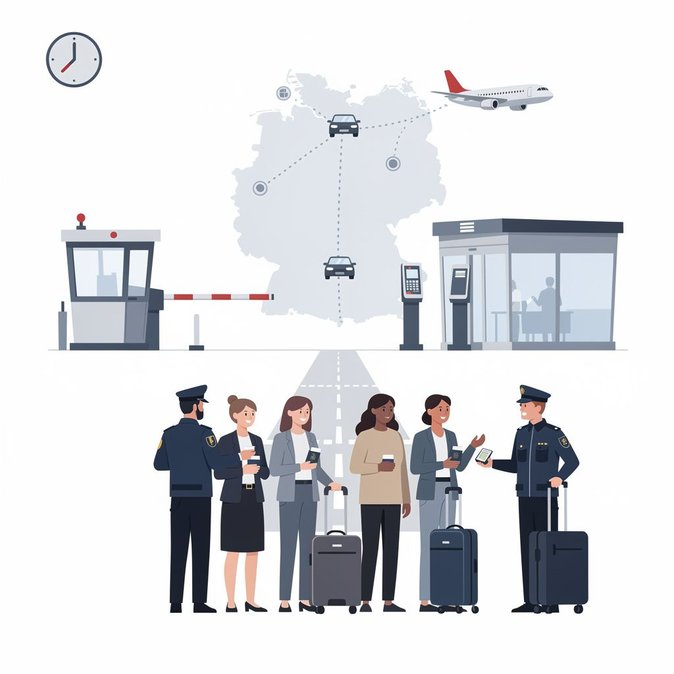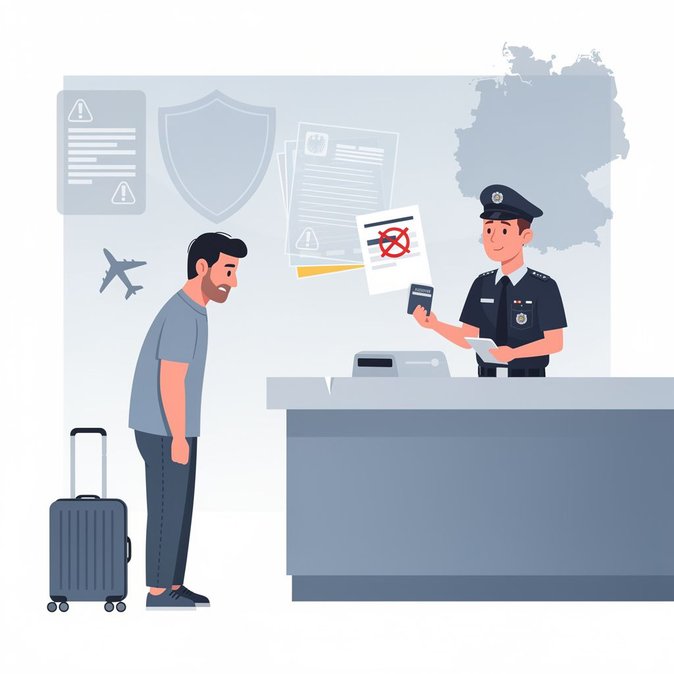
German border-police officers at Cologne/Bonn Airport uncovered an elaborate visa fraud on 17 September when a 38-year-old Turkish national tried to enter the country on a long-stay research visa. The traveller presented a letter purporting to come from the Karlsruhe Institute of Technology (KIT) inviting him for a research fellowship. Multiple spelling and grammatical errors caught the attention of the inspecting officer, who called the institute to verify the document. KIT confirmed that it had never issued the invitation and did not know the individual. During questioning, the passenger admitted that he had paid a middleman €3,000 for the visa and the fictitious letter. He was allegedly promised a job as a truck driver in Germany with a salary of €4,700 per month—far removed from academic research. The Bundespolizei immediately opened investigations on suspicion of document forgery, visa fraud and attempted illegal entry. His visa was cancelled on the spot and he was placed on a return flight to Ankara the same day. The case highlights the growing market for fake or ‘facilitated’ German national visas, especially those issued for research, study and skilled-worker categories created under Germany’s reformed Skilled Immigration Act. Fraudsters target applicants who hope that a D-visa will convert into a pathway to permanent residence once they are inside Germany. The incident also underlines the pressure on corporate HR and university international offices: if an employee or visiting scholar turns out to have obtained their visa fraudulently, sponsoring institutions can face reputational damage and compliance probes. For companies and research bodies that routinely issue invitation letters, the Bundespolizei recommends tighter verification steps: watermarking or digitally signing letters, copying consular posts on correspondence, and maintaining a single point of contact for authenticity checks. Global mobility managers should also remind travellers that German authorities routinely call hosts to verify invitations—careless drafting can trigger time-consuming secondary inspections even when paperwork is genuine. Practically, the episode is another signal that Germany’s border regime has become markedly less permissive since temporary Schengen controls returned in 2024. Although systematic checks are still the exception, officers are clearly empowered to scrutinise long-stay visa holders more closely. Companies moving staff onto German research or Blue Card permits should therefore budget extra lead time and coach travellers on how to respond to on-arrival queries.
How VisaHQ can help
VisaHQ simplifies the visa application process for individuals and businesses. Check current travel requirements, prepare the required documents and manage your application online through the VisaHQ Germany portal.More From Germany
View all
German embassy in Tajikistan mandates online Auslandsportal for student and skilled-worker visas from 20 September

Criticism mounts over Germany’s continued freeze on family reunification for subsidiary-protection refugees