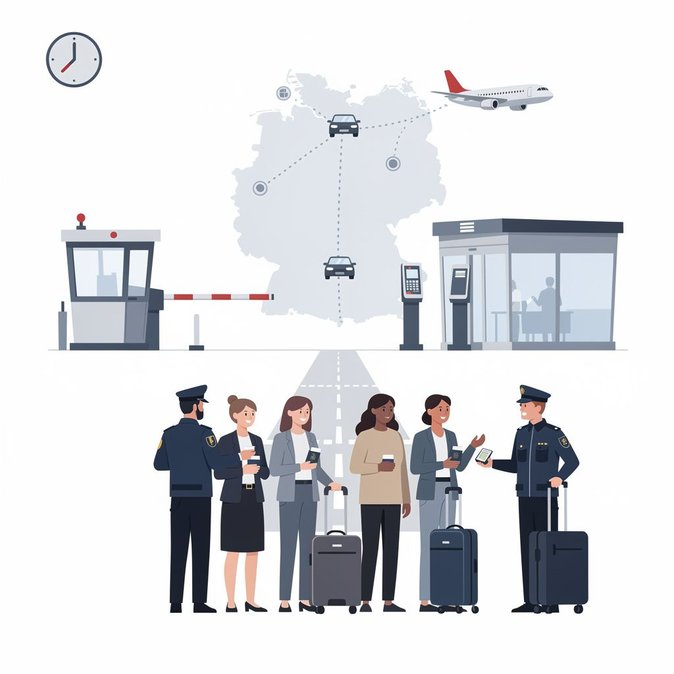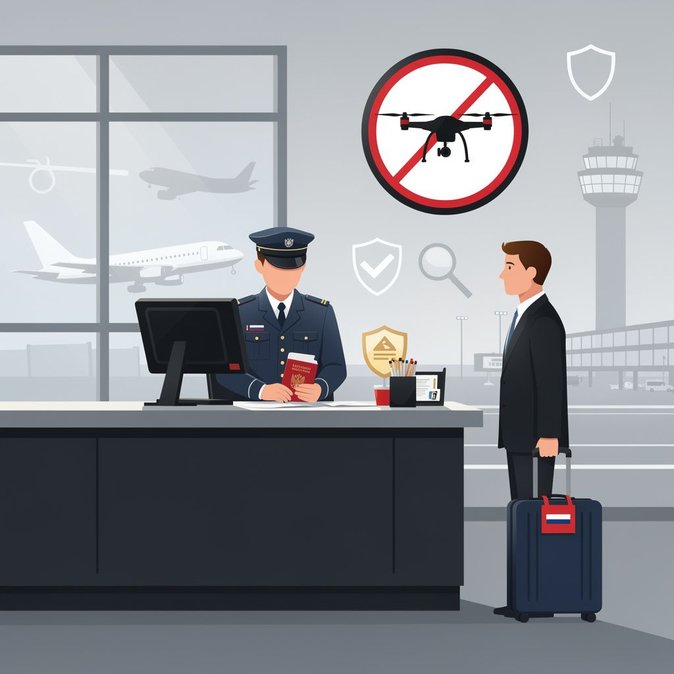
Speaking at the federal press conference on 16 September, government spokespersons from the Interior and Foreign Ministries confirmed that Germany will further tighten entry controls on Russian citizens in response to last week’s foiled drone attack at Leipzig/Halle Airport. While details remain classified, officials said border police have been instructed to apply ‘enhanced secondary screening’ at airports and land crossings and to collaborate more closely with security agencies on risk-profiling incoming travellers. Consular policy is also affected. Since 2025 Schengen states have limited Russians to single-entry C-visas of short duration, a measure Germany actively championed. The Foreign Office now plans to scrutinise even these short-stay applications more aggressively and is urging EU partners to consider additional restrictions, citing ongoing hybrid threats. Humanitarian exemptions remain in place, but case officers were told to document ‘national-security justifications’ for every visa issued. The move comes amid a broader ten-point counter-terrorism plan adopted by the cabinet the same day. Interior Minister Alexander Dobrindt argued that Russia’s invasion of Ukraine—as well as a growing number of state-sponsored cyber and drone incidents—necessitates a layered defence that includes border management. Industry groups representing tour operators and the meetings-and-events sector warn of collateral damage: Russian scientists, artists and business travellers already face months-long waits for appointments, and the new measures could stretch processing times further. Corporate mobility managers should prepare for greater document requests (proof of itinerary, accommodation, health insurance) and be ready for travellers to face on-arrival questioning even with valid visas. High-risk profiles—single men of military age, IT specialists, commercial drone operators—are likely to attract extra scrutiny. Companies with German-Russian business links may need to factor in remote alternatives or shift meetings to third countries until procedures stabilise. At the EU level, Germany’s calls for tougher common rules may resurface dormant proposals to suspend the EU–Russia Visa Facilitation Agreement entirely—an outcome that would formalise the ad-hoc restrictions already in place. Businesses should monitor Brussels closely; a formal suspension would push fees to €80, limit visa validity and extend processing times to 45 days across the bloc.
How VisaHQ can help
VisaHQ simplifies the visa application process for individuals and businesses. Check current travel requirements, prepare the required documents and manage your application online through the VisaHQ Germany portal.More From Germany
View all
German embassy in Tajikistan mandates online Auslandsportal for student and skilled-worker visas from 20 September

Criticism mounts over Germany’s continued freeze on family reunification for subsidiary-protection refugees