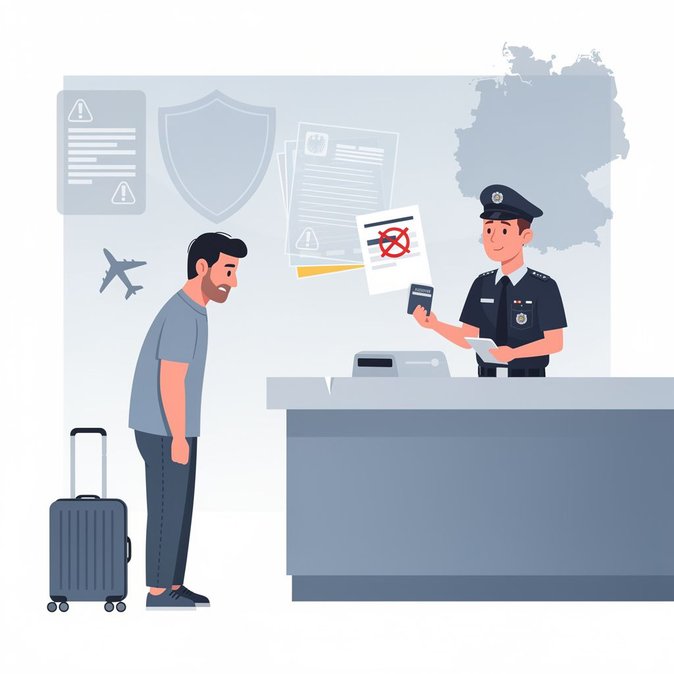
Pressure is building on the German government to lift its politically sensitive freeze on family reunification for people who hold only subsidiary protection status. The moratorium—initially introduced in 2025 at the insistence of the conservative CDU/CSU—was meant to run for two years but is now widely expected to be extended beyond its July 2027 sunset clause. In a detailed report aired by ARD’s flagship news programme Tagesschau on 17 September, migration experts, affected families and coalition politicians from the SPD lambasted the policy as counter-productive and inhumane. Researchers from the German Centre for Integration and Migration Studies argue that blocking reunification shuts one of the last legal and orderly migration channels, pushing desperate relatives towards smugglers. Official statistics back that up: since the freeze took effect, German embassies have issued fewer than 20 humanitarian ‘hardship’ visas out of more than 5,000 pending requests. The human impact is stark. Tagesschau followed the case of Abdulaziz Hesso, a Syrian father caring for his hearing-impaired daughter in Braunschweig. His wife and two younger sons remain stranded in northern Syria despite a reunification application filed in 2023. Under current rules the separation of parents and children can legally last up to five years (for children under three) or ten years (for older children)—periods that psychologists say inflict lasting trauma and hamper integration. Politically, the rift cuts across the governing coalition. SPD migration spokesman Hakan Demir called the freeze “unsustainable,” while Greens and FDP lawmakers demand a targeted humanitarian opening that would not significantly raise overall numbers (the cap was previously 12,000 entrants per year). The conservative opposition counters that Germany’s social systems and municipalities remain overstretched and that tough signals are necessary to deter irregular migration. For employers and global mobility teams, the debate matters because it shapes Germany’s attractiveness for skilled refugees and for foreign staff who may transition from protection to employment-based permits. Long-term uncertainty around family unity often prompts talent to move on to more welcoming jurisdictions. Multinationals active in humanitarian hiring programmes may therefore wish to engage with policymakers or support NGOs pushing for a calibrated lift of the ban. Even if the freeze is prolonged, companies should monitor potential carve-outs—such as for qualified workers under the reformed Skilled Immigration Act—that could allow family members to join more quickly if the principal applicant secures stable employment.
Source: Tagesschau
How VisaHQ can help
VisaHQ simplifies the visa application process for individuals and businesses. Check current travel requirements, prepare the required documents and manage your application online through the VisaHQ Germany portal.More From Germany
View all
German embassy in Tajikistan mandates online Auslandsportal for student and skilled-worker visas from 20 September
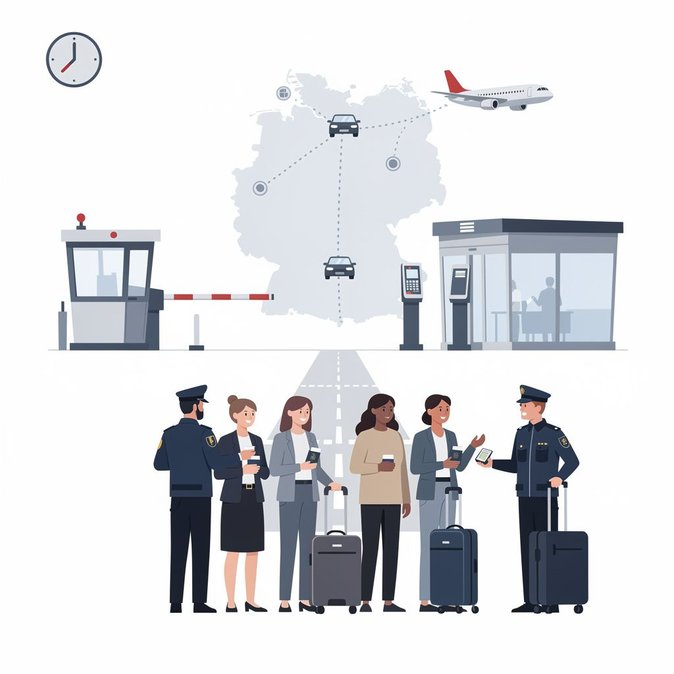
Border spot-checks under Germany’s temporary Schengen controls net wanted fugitives and overstay violators