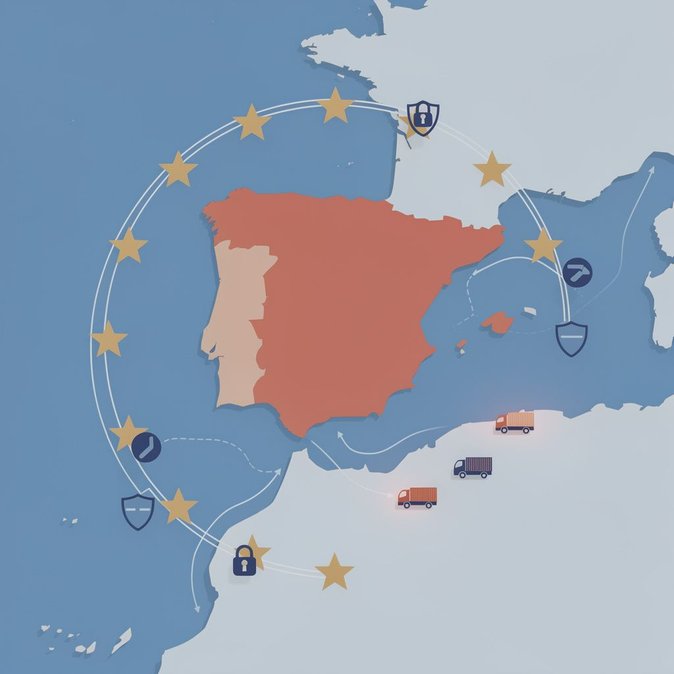
On 17 September the European Parliament adopted a resolution—backed by centre-right and far-right groups—that for the first time threatens suspension of the EU’s association agreement with Morocco unless Rabat curbs irregular crossings into Spain’s Ceuta enclave. The non-binding text also accuses the Spanish government of failing to heed intelligence warnings ahead of the 80,000-strong July surge and urges the Commission to audit border-management funds sent to Morocco. While Socialists, Greens and the Left voted against the motion, it passed by 339 votes to 225, reflecting growing frustration in Brussels over what many MEPs label “migration blackmail”. If the Commission were to act, hundreds of millions of euros in trade preferences and budgetary aid could be at stake. For Spain the vote is a double-edged sword. Madrid has lobbied for EU solidarity, yet the resolution singles out Spain’s recent regularisation programme as a possible pull factor—fuel for domestic opposition parties. Moroccan authorities, meanwhile, have hinted they could suspend joint patrols if funding is cut, raising the spectre of new sea and land pressures on the Strait of Gibraltar. Corporate mobility managers should track the dossier. Tougher EU-Morocco relations could translate into longer visa-processing times for Moroccan business travellers and potential retaliatory measures affecting Spanish subsidiaries in Tangier’s free-trade zone. Multinationals that move staff through the Ceuta border may face heightened document checks if political tempers flare. The Commission has 90 days to reply to Parliament’s demands. Even if no immediate suspension occurs, the vote tightens the screws on both Rabat and Madrid to demonstrate credible border control before year-end.
Source: El País