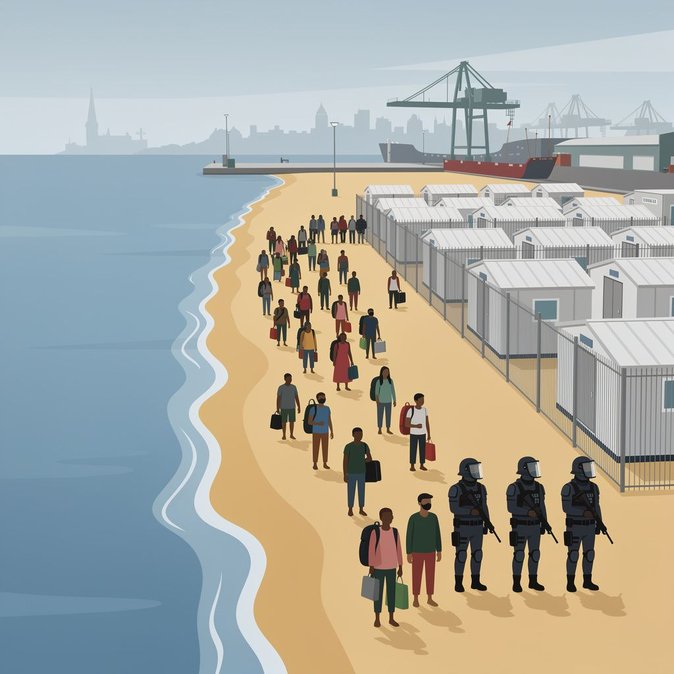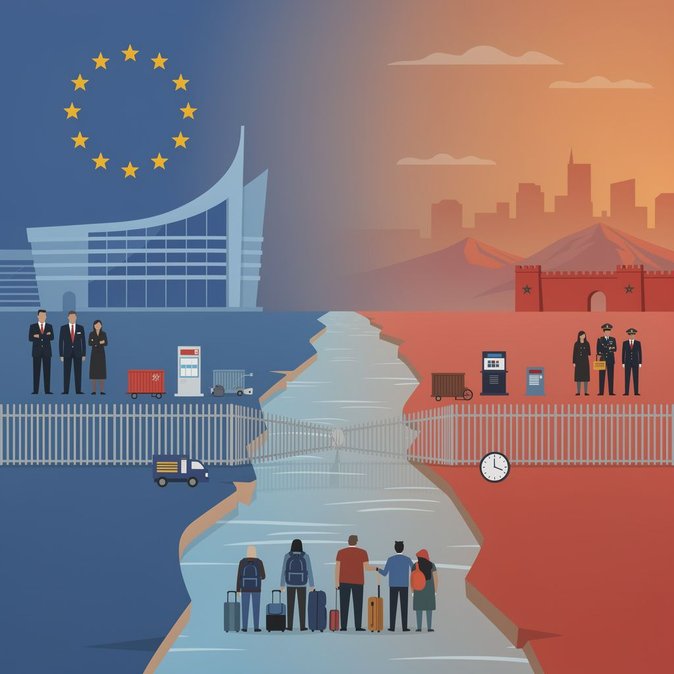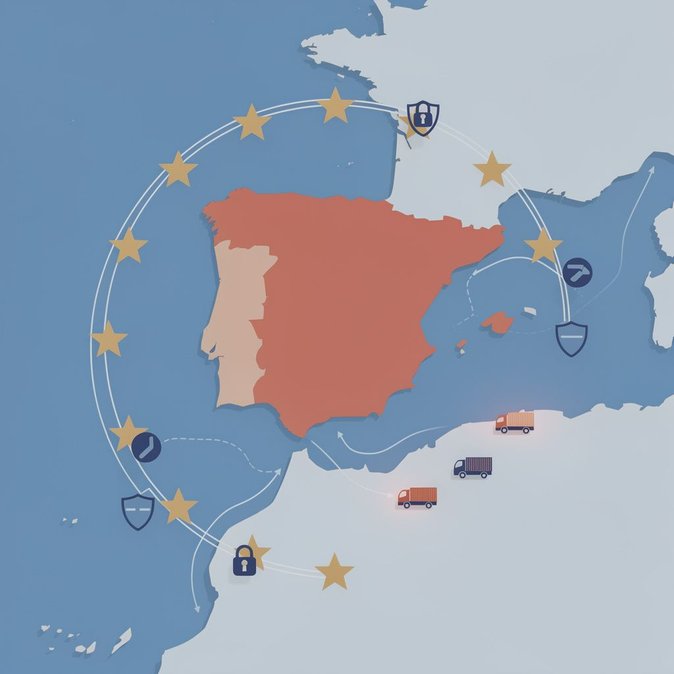
Speaking after Friday’s cabinet meeting, Foreign Minister José Manuel Albares outlined a comprehensive roadmap to weave Spain’s two North-African enclaves—Ceuta and Melilla—into the European Union’s legal and economic fabric. The initiative, presented on 18 September, comes seven weeks after an unprecedented surge of more than 70,000 irregular entries exposed the enclaves’ vulnerability and triggered the current Schengen spat with Italy and France. Key pillars include requesting full inclusion of both cities in the EU Customs Union, assigning them permanent seats on the Committee of the Regions and bargaining for a bespoke allocation of cohesion funds in the next Multiannual Financial Framework (2028-2034). Madrid will also ask Brussels for a standing Frontex deployment and for Ceuta and Melilla to be recognised as “specific-needs border territories” comparable to Finland’s eastern frontier or the Greek islands. Albares has already written to the ministries of Economy, Treasury, Agriculture and Territorial Policy to coordinate national legislation that may need amending—such as Spain’s Special Tax Regime for the enclaves—so EU customs and VAT rules can apply without crippling local businesses. Consultations with the two city presidents this week suggest cross-party backing; even conservative opposition parties, while lambasting the handling of the July crisis, broadly support deeper EU integration. For multinationals the proposal matters. Customs-union membership would end the current dual regime that complicates moving goods between the enclaves, the Spanish mainland and Morocco. International retailers that use Ceuta as a logistics hub for north-west Africa could see reduced paperwork and lower tariff risk. Enhanced Frontex presence may also give corporate security managers greater confidence in staff postings. The European Commission is expected to receive Spain’s formal request before year-end. Negotiations will be complex—Turkey’s customs-union talks show how long carve-outs can take—but the political momentum created by the migrant crisis may accelerate the timeline. If successful, the plan could shift Ceuta and Melilla from being perceived as European exceptions to being recognised EU gateways to Africa.
Source: La Moncloa