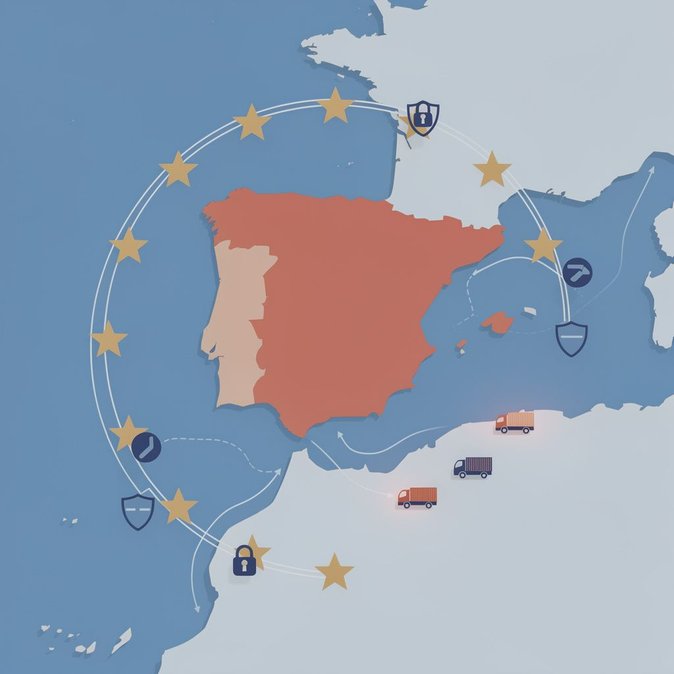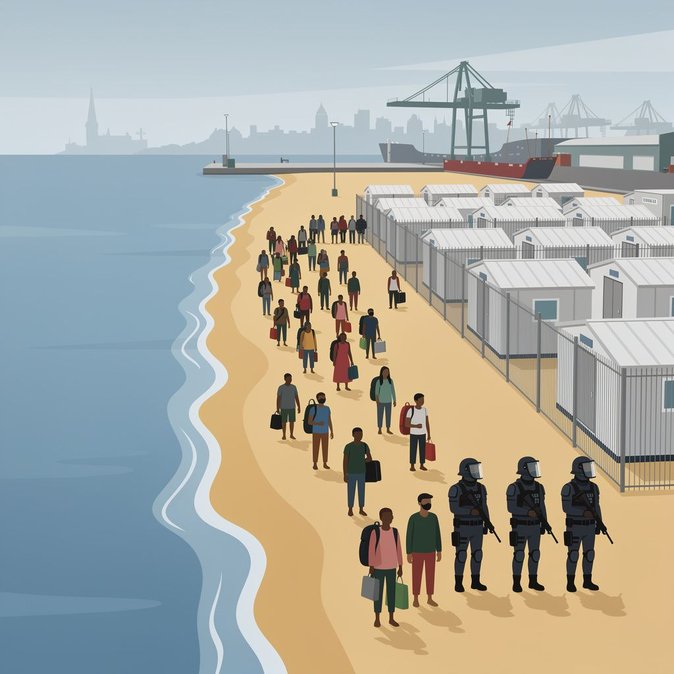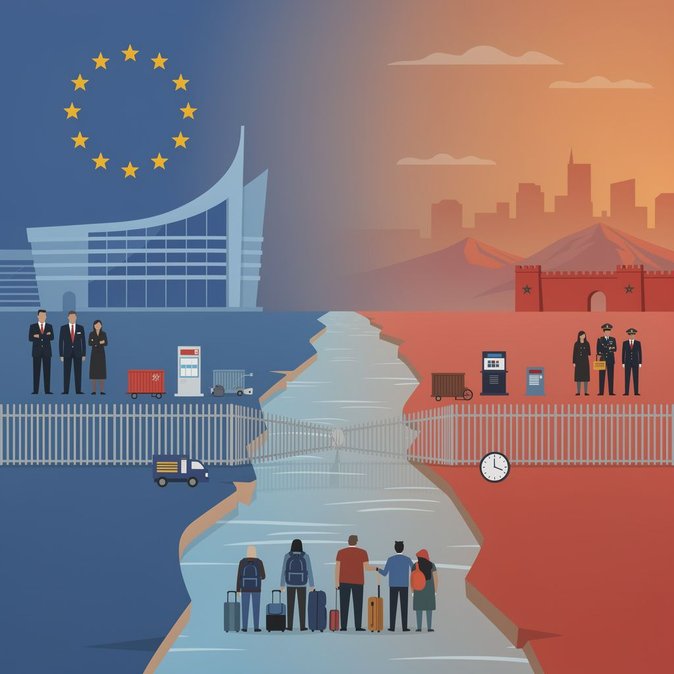
From Melilla, Popular Party (PP) leader Alberto Núñez Feijóo launched a blistering critique of the Sánchez government’s handling of the Ceuta crisis. Addressing his party’s executive on 18 September, Feijóo called Friday’s transfer of 1,700 migrants to the port camp “evidence of a Government out of control” and promised that a PP administration would deploy more military forces, expedite expulsions and press the EU to sanction Morocco if crossings continue. Feijóo’s rhetoric marks an escalation: he framed the situation not as migration but as a security invasion, echoing language used by the far-right party Vox. The government responded by labelling the remarks “irresponsible” and warning they could inflame local tensions. Behind the political theatre lies a strategic battle ahead of regional elections in Galicia and European elections in 2027, where border management is expected to be a top voter concern. For international employers the debate signals policy uncertainty. A harder line could mean faster removals but also harsher on-the-ground enforcement in Ceuta, where many companies maintain warehouses and call-centres that rely on cross-border Moroccan labour. Business groups fear that militarisation or a diplomatic rift with Rabat could disrupt the enclave’s special tariff arrangements and daily commuter flows through the El Tarajal crossing once it re-opens. Diplomats in Brussels note that Feijóo’s team is lobbying the European People’s Party to keep pressure on the Commission over Spain’s July regularisation scheme, seen by conservatives as a ‘pull factor’. Any shift in Madrid after the 2027 national elections could therefore ripple through EU migration pacts currently under negotiation. Until then companies with staff assignments in Ceuta and Melilla should monitor the political discourse: relocation plans, identification procedures and potential returns to Morocco may affect housing availability, security risk ratings and travel insurance premiums.
Source: El País