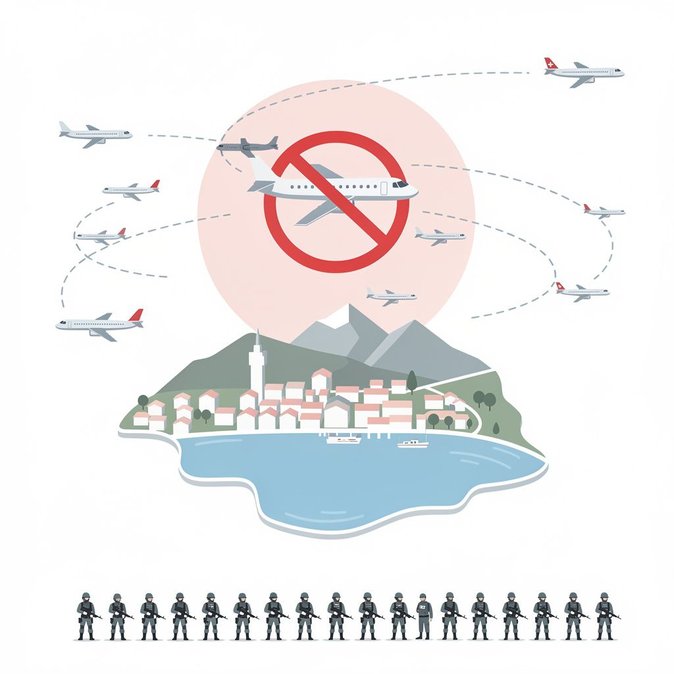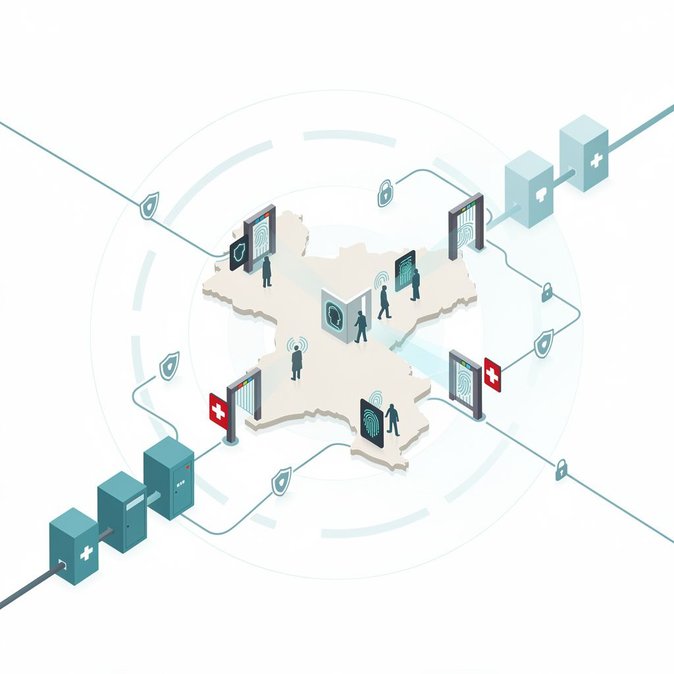
Citing an increasingly unstable geopolitical environment, the Swiss Federal Council on 18 September adopted the country’s first comprehensive Security Policy Strategy since 2021. While the 46 measures span cyber-defence, critical-infrastructure protection and military readiness, several actions speak directly to global-mobility stakeholders: improved border-control technology, closer police cooperation with neighbouring states and contingency planning for mass-migration scenarios. The strategy instructs the State Secretariat for Security Policy (SEPOS) to coordinate federal, cantonal and private-sector partners in upgrading biometric gates and rolling out the EU Entry/Exit System (EES) at all international airports and the busiest land crossings by 2028. It also earmarks funding for joint training exercises with France, Germany, Italy and Austria to ensure that spontaneous border re-closures – for example during a pandemic – can be managed smoothly. For multinational companies the biggest takeaway is the emphasis on resilience: HR and risk-management teams should expect more scenario-planning drills with cantonal authorities, especially around large events and critical-infrastructure sites where foreign staff are concentrated. The government foresees regular stress-tests of supply chains and mobility corridors, mirroring those carried out for energy utilities. Implementation will be tracked via annual progress reports, with the first set for end-2028. Stakeholder consultations during the draft phase revealed broad support from business associations, which see the strategy as balancing open markets with realistic security needs. Still, some civil-liberty groups have warned that expanded surveillance powers could creep beyond their original remit if not carefully monitored. Overall, the document gives mobility professionals an early roadmap of the investments and regulatory tweaks likely to shape Switzerland’s entry-control environment over the next five years.
Source: Federal Council press release