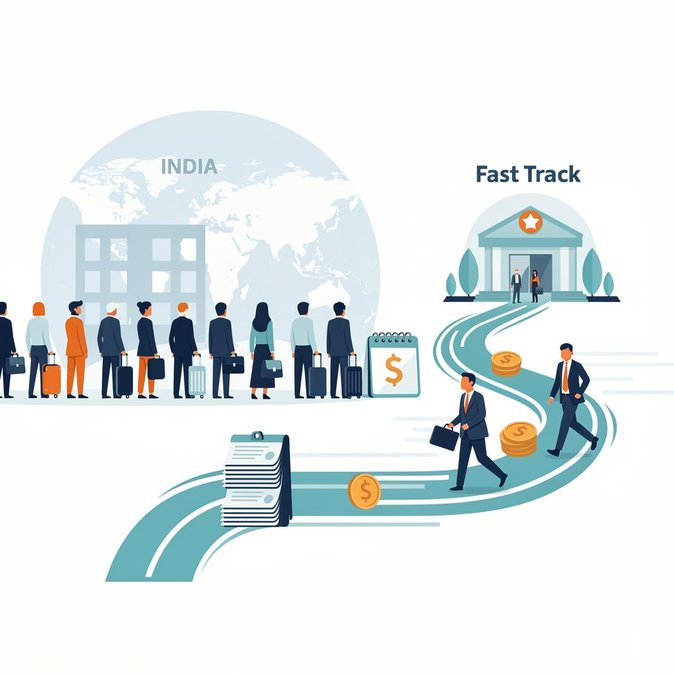
Immigration law firm Berry Appleman & Leiden (BAL) released its monthly analysis of worldwide non-immigrant visa wait-time data on September 18 following the State Department’s September 17 refresh. The numbers show modest improvement at several high-volume posts—most notably Ciudad Juárez where B-1/B-2 interview waits dropped to 4.5 months—and continued double-digit month queues in India despite aggressive weekend staffing drives. The report is eagerly watched by multinational mobility teams because it collates raw wait-time feeds—often riddled with “NA” gaps—into a comparative dashboard for B visitor, student/exchange (F/M/J) and petition-based (H/L/O) categories. BAL notes that Beijing, Manila and Seoul now offer sub-30-day student appointments, creating contingency options for U.S. universities scrambling to enroll late-admitted international students. Significantly, the advisory spotlights the State Department’s new fee-based expedited-appointment pilot, launched July 21 in Mexico and expanded August 18 to Canada, Colombia, Guatemala, Costa Rica and Honduras. For a US $750 surcharge, eligible B-1/B-2 applicants can secure an interview slot within 10 business days. BAL reminds companies that pilot-program wait times are *not* reflected in the public data feed, potentially obscuring faster pathways for urgent client-site visits or implementation projects. Mobility managers are urged to monitor the BAL table weekly, as posts frequently “batch-release” fresh slots overnight. Applicants who have already scheduled can reshop for earlier dates without penalty. Employers should also evaluate whether paying the expedited fee makes commercial sense against project timelines and potential penalties for delay. For corporate travel planners, the headline remains unchanged: visa interview backlogs are receding slowly but unevenly. Targeted use of the expedited-appointment pilot, coupled with flexible travel sequencing, offers the best hedge against last-minute consular bottlenecks this fall.
Source: BAL Immigration News