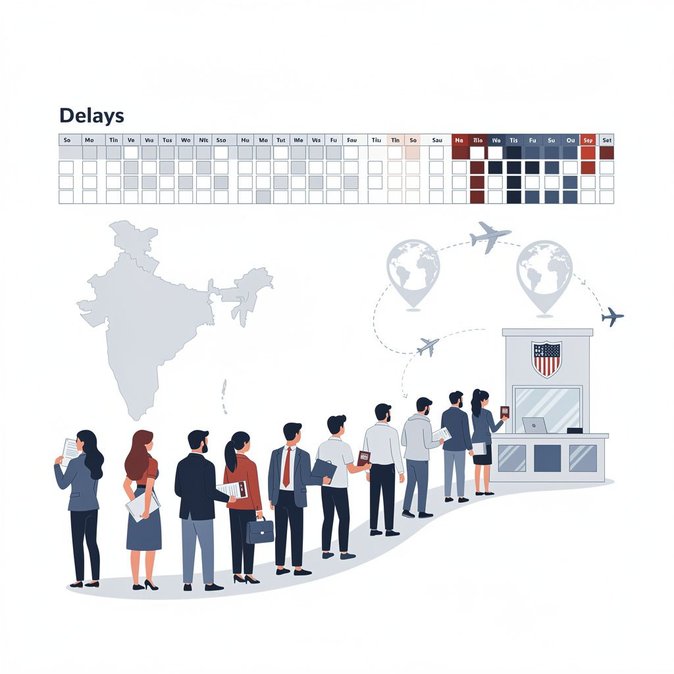
The Ministry of Civil Aviation (MoCA) is preparing to extend the Digi Yatra biometric boarding programme—currently available only on domestic routes—to international travellers. According to officials quoted by Navbharat Times on 22 September 2026, trials will begin between October and December at Delhi, Mumbai, Bengaluru, Hyderabad and Kochi airports. Passengers who opt in will upload their Aadhaar-linked face image and, if they possess an e-passport, the chip’s data to the Digi Yatra mobile app before travel. At the terminal, facial recognition cameras at the entrance gate, security checkpoint and boarding gate will confirm identity in seconds, allowing travellers to move through without presenting a physical passport or boarding pass. Immigration formalities will continue unchanged, but the elimination of repeated document checks at other touch-points is expected to cut average processing time by 40-50 percent. Airport operators such as DIAL and MIAL have been upgrading CCTV bandwidth and installing dedicated Digi Yatra lanes to handle the expected surge in enrolments. The international roll-out is the next step in India’s digital travel strategy, which already includes e-passports, Fast Track Immigration–Trusted Traveller e-gates for Indian nationals, and a new e-Arrival card. Industry groups representing global mobility managers say the pilot could be transformative for time-sensitive executive travel if reliability and data-privacy standards match EU and U.S. facial ID programmes. Airlines also hope the system will shorten connection windows for tight domestic-to-international transfers, improving on-time performance. Corporate travel teams should begin advising employees to create Digi Locker accounts (mandatory for Aadhaar-based verification) and ensure they carry a physical passport as a back-up until trials conclude. Travellers without e-passports can still enrol, but they will have to scan the booklet’s photo-page at a kiosk during the first use, adding a few minutes. If the trial proves successful, MoCA aims for pan-India coverage at 13 international gateways by mid-2027—bringing India closer to a “paperless airport” vision and offering a competitive edge in the region’s battle for transit traffic.
Source: Navbharat Times