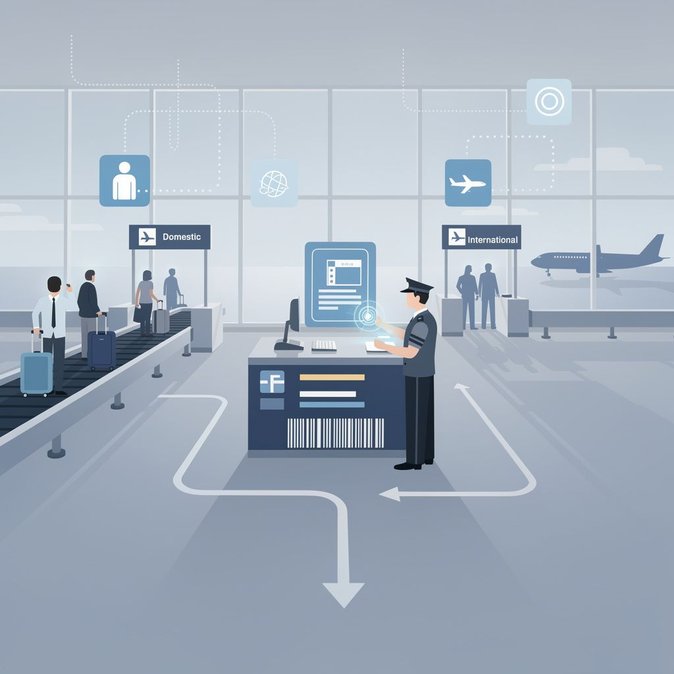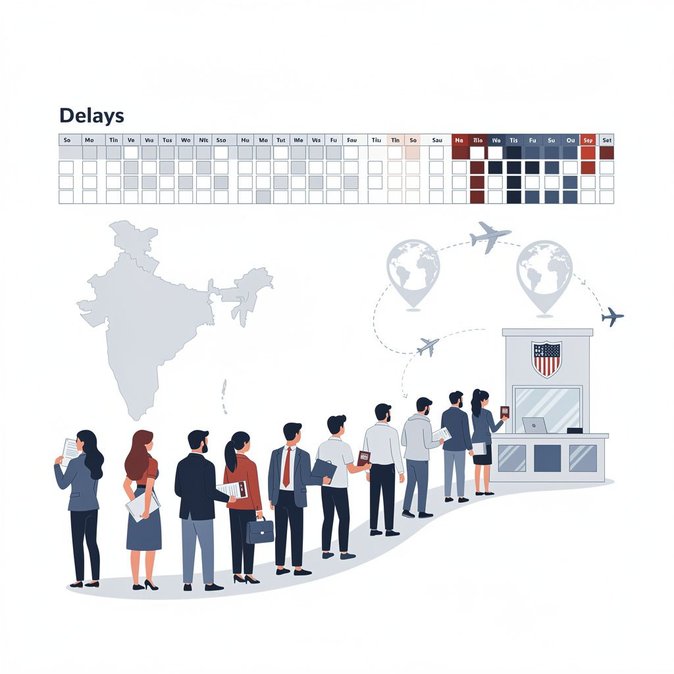
Airlines and ground-handling firms at Indira Gandhi International Airport (IGIA) have been told to carry out manual verification of boarding-pass indicators for all domestic-to-international transfer passengers following a security lapse earlier this month. Hindustan Times reports that on 4 September three Italian nationals flew from Amritsar to Munich via Delhi without undergoing mandatory emigration clearance because they were mistakenly routed through the international-to-international (I-to-I) corridor. Under India’s hub-and-spoke model, passengers on international itineraries originating at a ‘spoke’ airport must complete departure immigration at the origin. In this case the travellers held boarding passes marked “D” (domestic sector), but airline staff at Amritsar issued their onward Lufthansa pass and, on arrival in Delhi, escorted them to the I-to-I area—bypassing border control entirely. The Ministry of Civil Aviation subsequently issued Air India a show-cause notice and convened an inter-agency review with the Bureau of Immigration, CISF, BCAS and airport operator DIAL. As an interim safeguard until technology fixes are in place, IGIA has reinstated physical checks of the “I” (international) and “D” codes at transfer points. Ground staff must now visually confirm that any passenger proceeding to an international gate carries an “I” boarding pass issued only at the hub. Airlines have also been barred from printing onward international passes at spoke stations unless an integrated departure control system validates immigration status. For global mobility managers moving assignees or short-term project teams through Indian hubs, the directive could mean longer minimum connection times; travel managers should pad itineraries accordingly until permanent solutions—likely involving QR-coded biometric tags or integration with Digi Yatra profiles—are deployed. The incident also highlights the compliance risk of mis-sequenced boarding passes: companies should instruct travellers to double-check segment labels and seek assistance if uncertain. A final report is expected within four weeks and could lead to updated hub-and-spoke Standard Operating Procedures nationwide. For now, the message is clear: immigration clearance cannot be skipped, and any process that allows it to be bypassed will trigger immediate operational changes.
Source: Hindustan Times