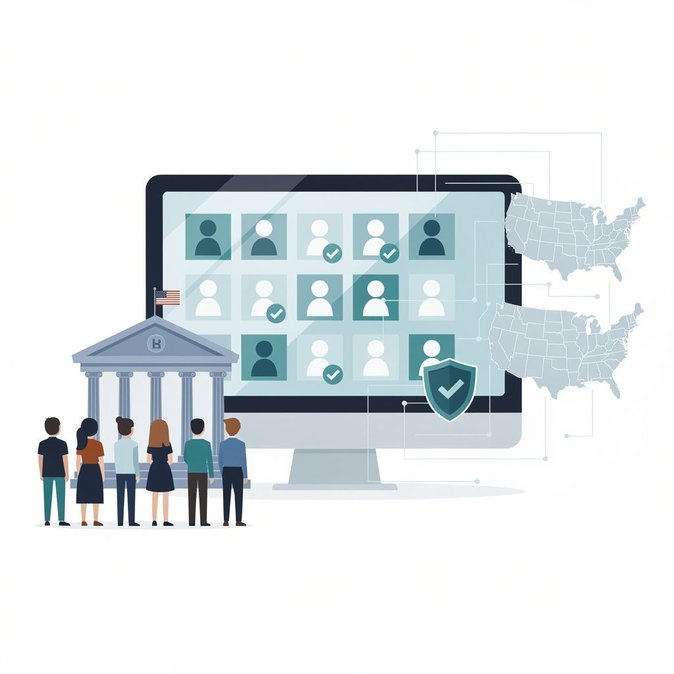
In a 6-3 decision issued on September 25, the U.S. Supreme Court lifted a lower-court injunction and allowed the Department of Homeland Security (DHS) to resume using its Systematic Alien Verification for Entitlements (SAVE) database to confirm citizenship status for state and local election officials. The ruling, in DHS v. League of Women Voters, reverses a June order from the U.S. District Court for the District of Columbia that had paused the program over privacy-and federalism concerns. The SAVE initiative was created to combat benefit fraud but was expanded under Executive Order 14248 (March 2025) to give election authorities no-cost, real-time access to DHS immigration records. According to DHS General Counsel James Percival, the Supreme Court’s stay is “a victory for election integrity” and will help prevent non-citizens from registering or casting ballots. The department says it has begun re-activating data-sharing connections with 23 states that had signed MOUs before the lower-court order. For employers and global mobility managers, the decision could foreshadow broader use of SAVE or similar databases in employment verification and state benefit programs. States that rely on SAVE to vet driver-license or professional-license applicants are expected to restore automated checks quickly, reducing manual review times. Conversely, foreign nationals—especially permanent residents and work-visa holders—should expect heightened document scrutiny if they are listed in SAVE as non-citizens. Advisers should remind transferees to travel with original I-551 or I-94 evidence until record accuracy is confirmed. The ruling may also accelerate Republican-led proposals to mandate citizenship checks for federal benefit programs and to link state voter rolls to federal immigration systems. Litigation is likely to continue over data-privacy safeguards, but the high court’s intervention signals a broad willingness to let DHS leverage immigration databases for identity verification beyond traditional enforcement contexts.