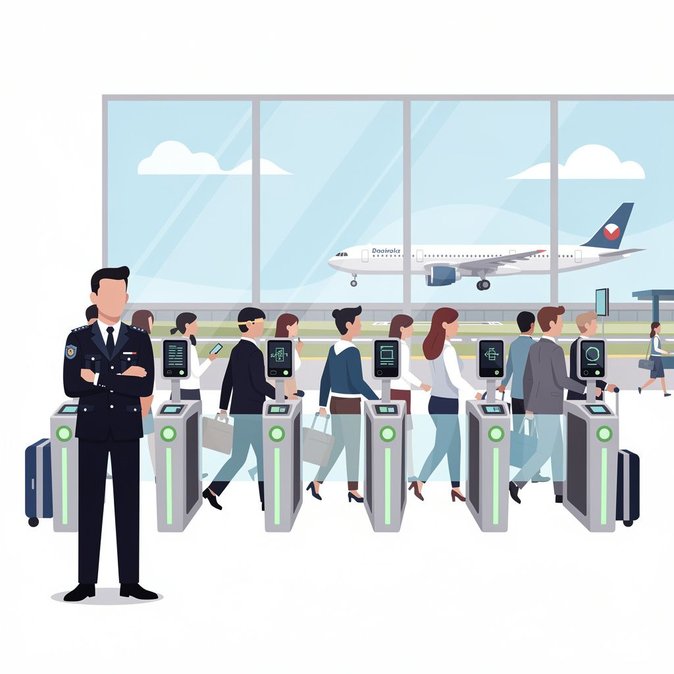
The governance shake-up at Václav Havel Airport Prague took a new turn this morning (27 September 2026) when investigative outlet iROZHLAS published the findings of a confidential audit into the appointment of ex-national police president Jan Švejdar as Executive Director for Security. The audit, commissioned by the airport’s new board chair Radomír Lašák in August, found the recruitment process to be transparent and fully compliant with internal rules and Czech labour law. Švejdar assumed the security portfolio in January, a politically sensitive move given his previous role as the country’s top police official. Critics in parliament and among labour unions had questioned whether his security clearance and language skills met the stringent criteria required under EU aviation-security regulations (EC 300/2008). According to the auditors, Švejdar held a “Confidential” clearance at the time of hiring and has since renewed it, while his English proficiency—tested during the selection—was deemed adequate for the post. Why does this matter to global mobility managers? First, the audit removes uncertainty around potential leadership changes that could have delayed the airport’s ongoing roll-out of the Schengen Entry/Exit System. A stable security command is a prerequisite for adding more e-gates and biometric kiosks at Terminal 1, upgrades that airlines and corporate travel teams are counting on to cut wait times for non-EU passengers. Second, Švejdar’s policing background is expected to tighten cooperation with the Immigration Police, which should accelerate secondary screening for high-risk arrivals and reduce random delays for compliant travellers. The report also sheds light on a broader labour relations context: trade unions had entered strike alert over Lašák’s appointment in August, fearing cost-cutting measures. Confirmation that Švejdar’s role is secure may help defuse tensions that could have led to industrial action during the busy autumn conference season. Companies planning incentive trips or large meetings in Prague can now proceed with greater confidence that staffing levels at security checkpoints will remain stable. Looking ahead, airport management says it will publish a roadmap next month detailing new passenger-flow algorithms and an ‘EES Assistance Team’ to help travellers complete biometric enrolment. With 13 million passengers forecast for 2027—up 18 % year-on-year—the audit’s clean bill of health gives Prague Airport the green light to focus on capacity rather than governance distractions.
Source: iROZHLAS