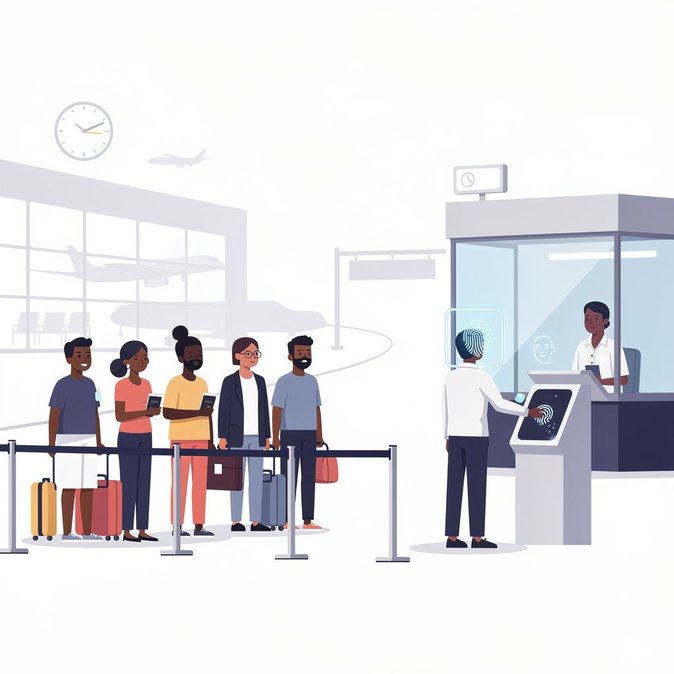
An early-morning dispatch from Agence Presse Radio on 27 September highlights a little-noticed change that took effect three weeks ago: EU Member States can no longer suspend the collection of fingerprints and facial images under the Entry-Exit System (EES) when queues build up. Airlines serving West and Central Africa report a sharp rise in processing times at Paris-Charles-de-Gaulle Terminal 1 since 6 September, the date the grace mechanism officially expired. Air Côte d’Ivoire and Royal Air Maroc station managers say first-time non-EU passengers now spend 15–20 minutes at the biometric kiosks versus 7–10 minutes in August. While returning travellers breeze through after a quick passport scan, those new to the system risk missing tight domestic connections to Marseille or Nice. The French Border Police (PAF) confirm that, unlike during the transition period that began in October 2025, officers may no longer waive fingerprint capture to ease congestion. They insist, however, that additional kiosks have been installed at CDG and Orly and that “peak-hour throughput is stabilising”. Corporate immigration advisers recommend that HR departments alert inbound assignees from visa-exempt African countries—especially those who travel on short-stakeholder-meeting schedules—to allow at least 90 minutes between landing and onward trains or flights. Companies sponsoring talent under the new Talent-Passport “Tech” programme should build the longer arrival time into onboarding plans.
Source: Agence Presse Radio
How VisaHQ can help
VisaHQ simplifies the visa application process for individuals and businesses. Check current travel requirements, prepare the required documents and manage your application online through the VisaHQ France portal.More From France
View all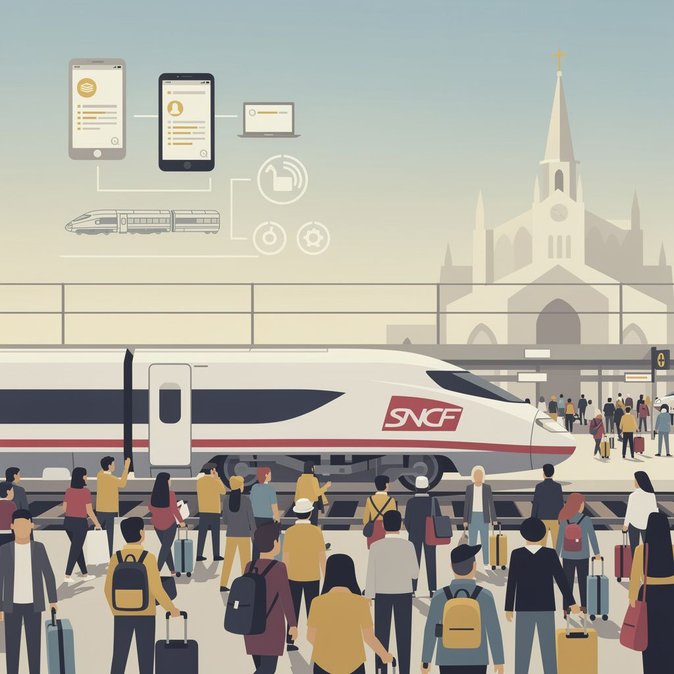
SNCF Issues Special Alert for Lourdes Trains Amid Papal Crowds
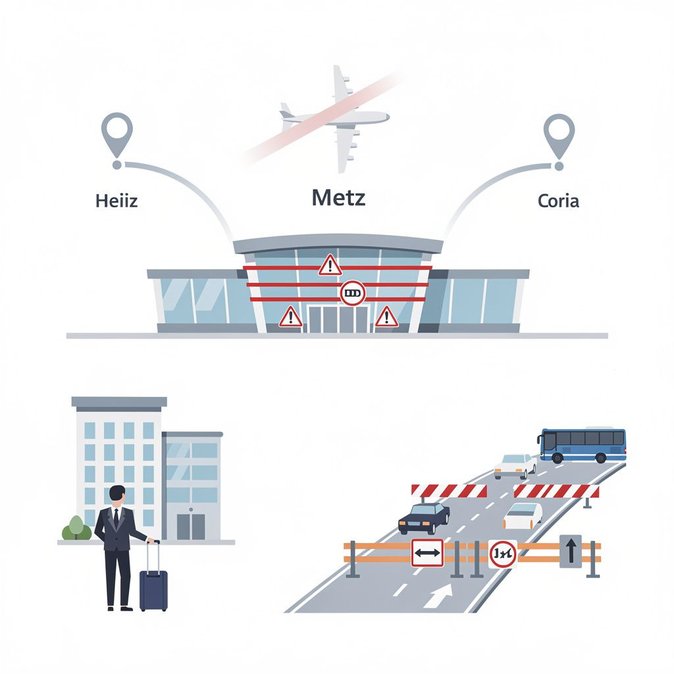
Metz-Nancy-Lorraine Airport closed to commercial traffic 26–29 September for papal Mass: passengers redirected to Luxembourg and Strasbourg