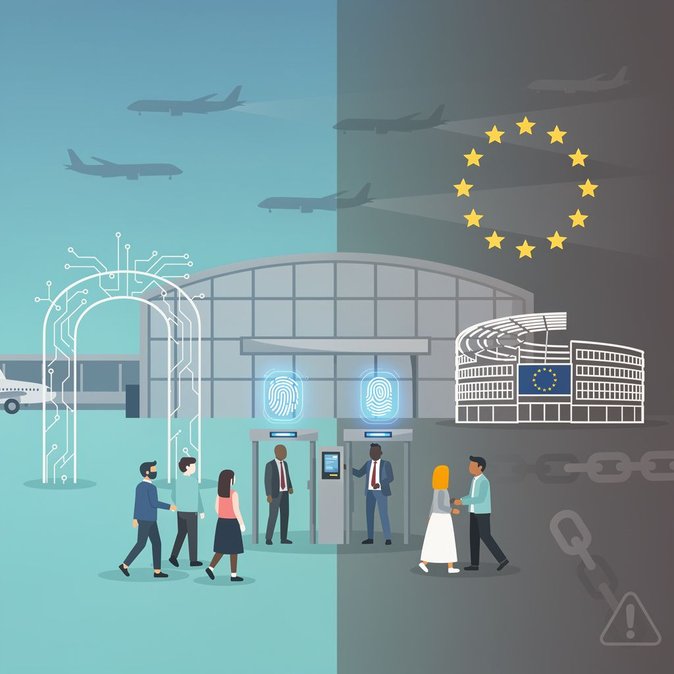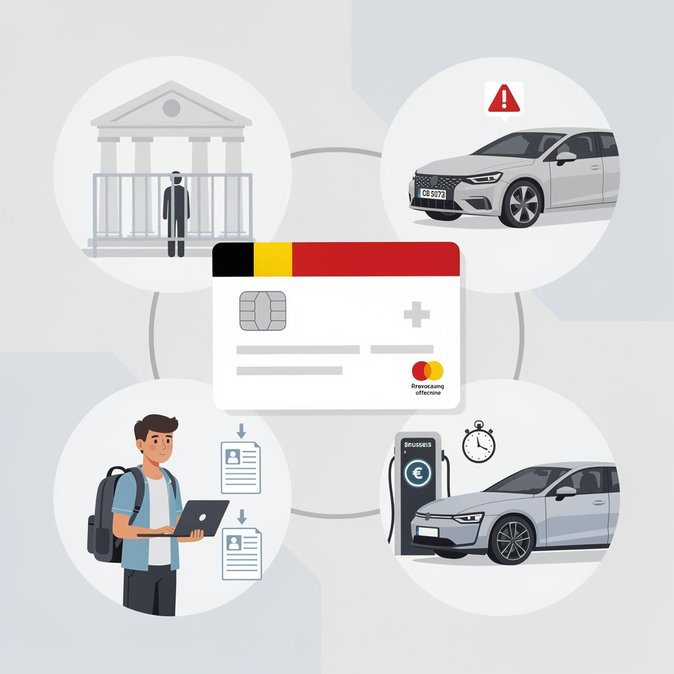
The turn of the month in Belgium brings a raft of legal tweaks with direct repercussions for foreigners living, working or driving in the country. Chief among them is an accelerated deportation track for non-Belgians convicted of crimes: from today, anyone serving a sentence of up to three years may be expelled after completing just one-third of that term, while those with sentences under 18 months will automatically receive electronic ankle monitors pending removal. The measure, part of a wider package to ease chronic prison overcrowding, could see removals processed up to 12 months before a release date, cutting the window for last-minute appeals. Motorists also face changes. The Vehicle Registration Service (DIV) now has explicit authority to cancel personalised number plates deemed offensive, including any that reference hate speech or extremist ideologies – a move intended to bolster Belgium’s reputation as an inclusive destination for expatriates and international companies. Meanwhile, the Brussels-Capital Region has introduced a “rotation tariff” of €0.06 per minute for electric vehicles that remain plugged into public chargers longer than six hours during daytime, a policy aimed at freeing up scarce infrastructure for the city’s growing EV fleet. In the education sphere, self-employed students – many of them international master’s candidates who freelance on the side – can retain ‘student-entrepreneur’ status beyond the age of 25, preserving lower social-security contributions while they complete degrees. The declaration-on-honour previously required each semester has been scrapped in favour of retrospective enrolment checks, reducing red tape for universities and employers alike. Healthcare administrators have tightened identity-verification rules: dentists must now scan a patient’s electronic ID card (or foreigner’s card) when applying the third-party payment scheme. Expats who forget their eID risk paying the full bill upfront, so mobility advisers should remind newly arrived staff to carry their cards even for routine appointments. Taken together, the October reforms illustrate how seemingly small regulatory shifts can ripple across the mobility landscape – from posting-of-workers compliance (criminal records checks will become more urgent) to fleet-management policies (drivers need rules for charger overstay fees). Keeping policy handbooks and employee guides up to date will save headaches – and euros – in the months ahead.
Source: The Brussels Times