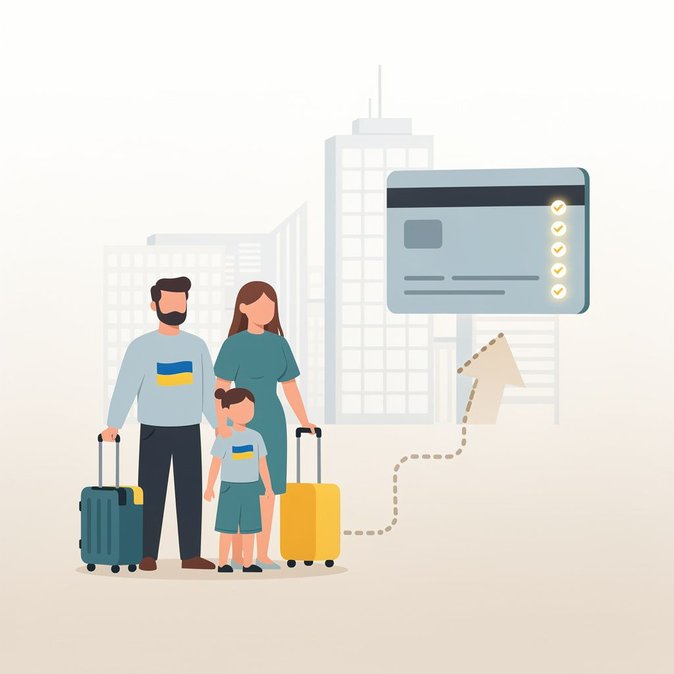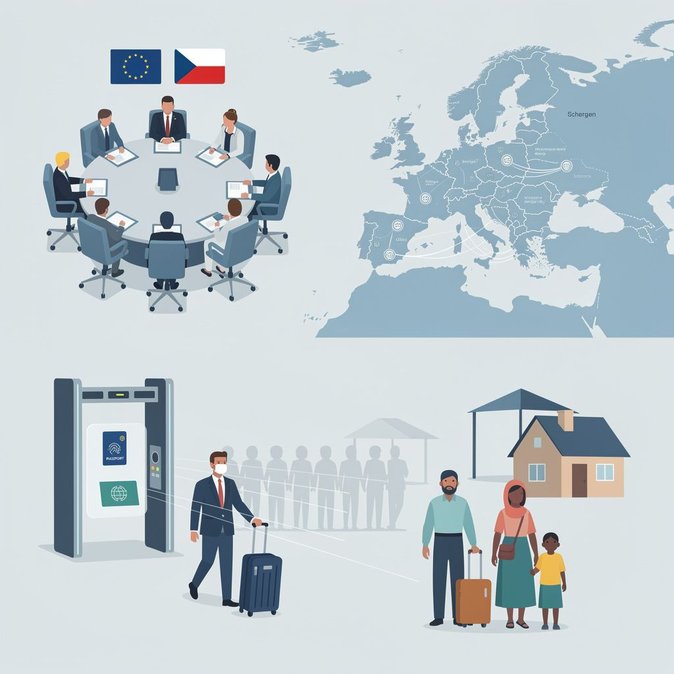
Czech Interior Minister Vít Rakušan is in Luxembourg today (1 October 2026) for the first regular meeting of the EU Justice and Home Affairs (JHA) Council under the Irish presidency. Ministers will review the opening phase of the 2026-2027 Schengen Council cycle, focusing on how to leverage the Entry/Exit System (EES) and forthcoming ETIAS travel authorisation to tighten external-border security and speed up internal mobility. For Prague, the priority is data interoperability. Since Czechia lacks an external EU border, its police rely heavily on real-time information from frontline states to spot overstayers and identity-document fraud. Rakušan is expected to press for accelerated linking of the national Alien Information System with EU-wide biometric databases so that Czech border officers at airports can receive EES alerts in under 30 seconds—down from the current 90-second average. The Council will also debate cooperation with third countries on readmission of irregular migrants. Czech diplomats back proposals to condition EU visa-issuance privileges on partners’ willingness to take back their nationals who are ordered to leave. Officials note that the Czech Republic issued 5 742 return orders in 2025 but managed to enforce only 38 % of them, largely because of consular delays in Vietnam, Georgia and Nigeria. Another agenda item with direct Czech interest is the future of temporary protection for Ukrainians. While the European Commission is expected to prolong the regime through 2028, Prague supports a gradual phase-out paired with schemes like the new Special Long-Term Residence Permit unveiled today at home. Linking national integration pathways with an EU-wide exit strategy will figure prominently in corridor talks. Business travellers should watch the discussion on expanding automated border gates to holders of EU Laissez-Passer service passports and the possible mutual recognition of registered-traveller programmes. If approved, Prague Airport could see new e-gate lanes for corporate frequent flyers as early as summer 2027, cutting average Schengen-exit wait times by up to 40 %. A joint press conference is scheduled for 18:00 CEST; the Council’s formal conclusions will guide legislative proposals expected from the Commission before year-end.
How VisaHQ can help
VisaHQ simplifies the visa application process for individuals and businesses. Check current travel requirements, prepare the required documents and manage your application online through the VisaHQ Czech Republic portal.More From Czech Republic
View all
Czech Interior Ministry opens registration for five-year “special long-term stay” for eligible Ukrainian refugees

Prague Airport Launches Immediate Action Plan to Cut EES Queues for Non-Schengen Arrivals