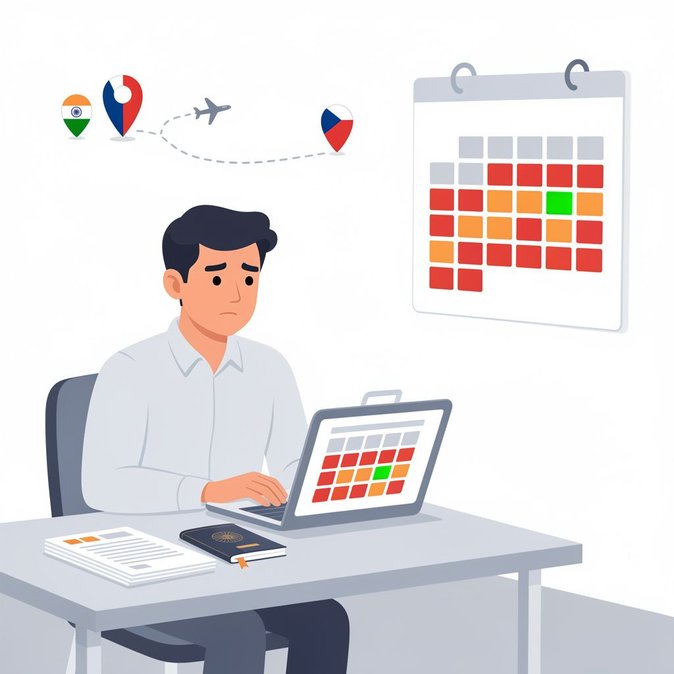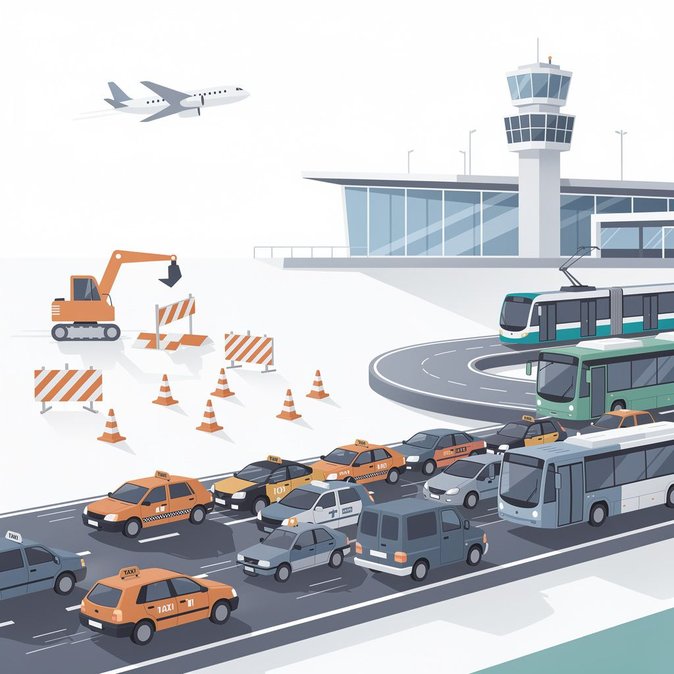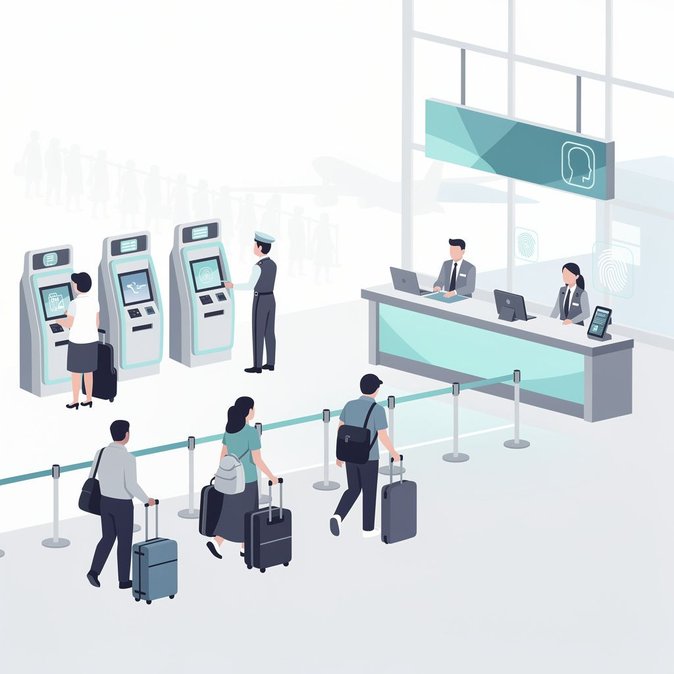
The Czech Republic’s busiest gateway, Václav Havel Airport Prague, is scrambling to keep immigration lines moving as the EU’s new Entry/Exit System (EES) beds in. In a joint statement released on 29 September 2026, the airport’s board and the Ministry of the Interior confirmed that the first round of quick-fix measures—rerouting passenger flows, deploying roving “Red-Team” helpers and adding police staff at passport control—has shortened average wait times for third-country nationals by 17 percent in the past week. The data nonetheless show that many travellers still abandon the self-service registration kiosks part-way through the process. To tackle that pain-point, the partners will test a simplified user interface and put multilingual assistants directly at the kiosks during peak banks of long-haul arrivals from the Middle East and Asia. Families with small children and elderly passengers will have a bypass lane staffed by officers able to complete the EES capture manually. Looking further ahead, Prague will pilot pre-registration: passengers will be invited—via airline apps and check-in emails—to upload fingerprints and facial images before departure. This concept, already being discussed at EU level, could cut in-terminal processing times by up to 45 seconds per passenger. The Ministry says it is negotiating the legal basis with the Office for Personal Data Protection and hopes to start a live trial with one Gulf carrier in November. For employers and mobility managers, the message is clear: allow extra connection time for inbound assignees who are non-EU nationals, brief them on the kiosk process and consider booking meet-and-assist services for VIPs until the new system stabilises. Airlines have been asked to play their part by broadcasting EES videos before landing and staggering de-boarding where possible. The stake is high. Prague handled a record 17.2 million passengers in the year to August; with winter conferences and the Christmas market season approaching, any sustained bottleneck could ripple through hotel check-ins and onward rail links. By acting early—and publicly—the Czech authorities hope to reassure the meetings-and-incentives market that the country remains an easy place to do business. If the Prague model works, officials hint that Brno-Tuřany and Ostrava airports may adopt the same playbook in 2027, when EES expands to land borders.
Source: PressNews / Prague Airport