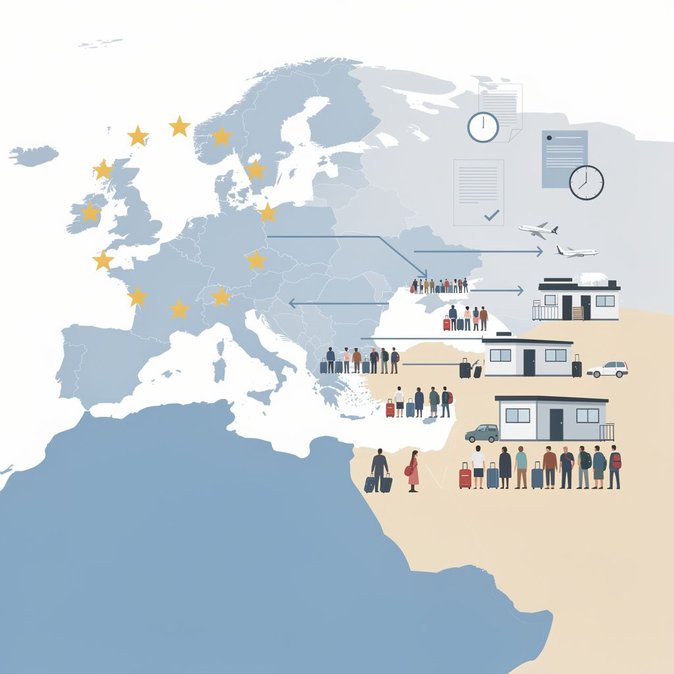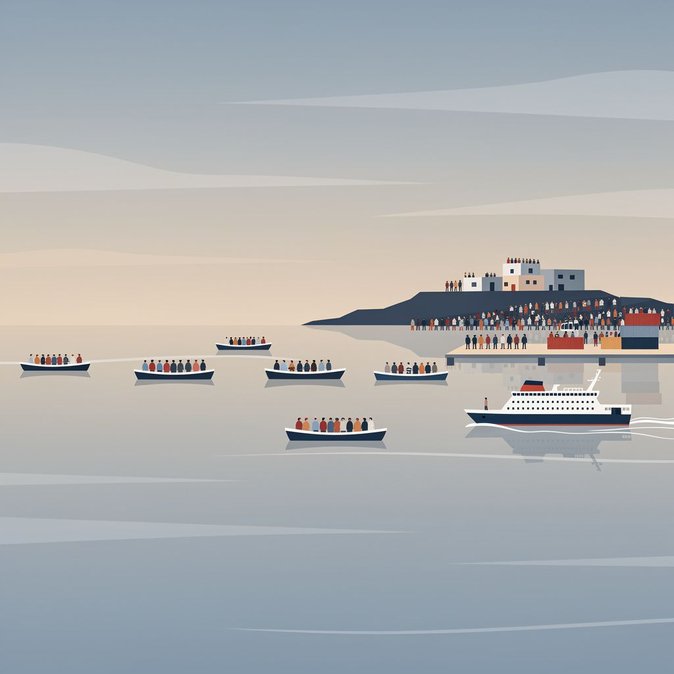
The island of Lampedusa recorded 17 separate landings between the evening of 30 September and the afternoon of 1 October, bringing more than 600 people ashore in barely 24 hours. Good weather and calm seas opened a window for departures from both Sfax (Tunisia) and Zuwara (Libya). The arrivals – including women and unaccompanied minors from at least twelve African nations and Syria – pushed the Imbriacola reception centre to over 550 occupants, double its official capacity. Local police, assisted by the Italian Red Cross and Frontex officers, transferred 252 migrants by ferry to Porto Empedocle on mainland Sicily to relieve the pressure. Yet island mayor Filippo Mannino warned that the flow is “unlikely to slow before November” and called for faster relocation to mainland facilities. For Rome, the spike complicates efforts to demonstrate control over the Central Mediterranean route just as it negotiates EU burden-sharing rules with partners. The government is accelerating plans to open six additional Returns Detention Centres (CPR) on the mainland and has reinforced naval patrols south of the island. Corporate mobility managers should note that ad-hoc coast-guard operations periodically close Lampedusa’s small commercial pier, delaying ferry links and supply shipments. Firms running offshore-energy or tourism projects in the Pelagie archipelago need to factor possible port closures and flight diversions into logistics planning. The latest surge means 22,800 people have landed in Italy so far in 2026, still well below the 2023 peak but up 11 % on the same period last year. If the trend continues, Italy may once again seek temporary suspension of Schengen rules on its maritime borders – a decision that could ripple across crew-rotation schedules and cruise itineraries.
Source: La Sicilia