New Right-to-Rent Rules Take Effect: Landlords Must Use Certified Digital Identity Providers
UK-France ‘One-In, One-Out’ Channel migrant deal scrapped after 14-month pilot
Final Right-to-Work Employer Guidance Issued Ahead of Digital Status Roll-out
Latest News
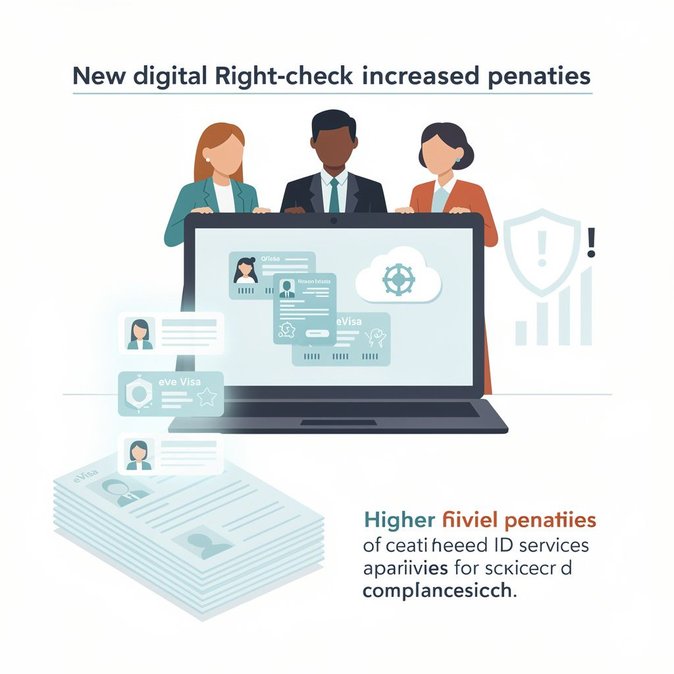
Employers receive new Right-to-Work guidance as digital status becomes mandatory
Effective today, businesses must complete all Right-to-Work checks through the Home Office digital portal or a certified ID service. The updated guidance increases civil penalties and integrates rules for applicants moving from physical documents to eVisas, requiring HR teams to refresh compliance processes.

Sunday rail strikes to hit TransPennine Express services throughout October
Conductors on TransPennine Express will strike on all four Sundays in October, slashing services on cross-Pennine and Anglo-Scottish routes. Employers should anticipate travel delays for staff and consider alternative arrangements or remote-working options.

UK-France ‘One In, One Out’ Channel Migration Deal Ends Today
The UK’s pilot exchange agreement with France – under which each small-boat return was matched by one legal humanitarian transfer – expires on 1 October 2026 with no replacement in sight. Paris demanded that any extension be embedded in an EU framework, while London wanted higher return numbers. The collapse will likely increase political and operational pressure on UK border controls and could lead to new carrier penalties and visa tweaks that affect business travellers and assignees.

UK passes 10 million eVisas as digital border programme accelerates
New figures confirm the UK’s digital-only border vision is advancing rapidly, with over 10 million active eVisas and a low correction rate. The data underscores government confidence in retiring physical documents, but employers must ensure internationally mobile staff can access and share their digital status without hiccups.

Digital Border Milestone: Over 10 Million UK Visa Holders Now Use eVisas
New transparency statistics confirm that the UK has issued more than 10 million eVisas, with error rates below 1 % and most corrections fixed within five days. The figures underline the rapid move toward paperless immigration evidence and highlight the need for employers and travellers to use share-codes rather than physical documents.

French Court Jails Smuggling Ringleaders Over 2021 Channel Disaster, Raising UK Pressure on Gangs
Six smugglers were jailed in Paris for the 2021 Channel drowning that killed 27 migrants. The high-profile convictions, secured with UK assistance, amplify Franco-British pressure on trafficking gangs just as a key migration accord lapses and may prompt tighter security around Channel ports that affect freight and business travel.

Right-to-Work reforms and Global Talent expansion headline September immigration update for UK employers
A 30 September Foot Anstey bulletin flags three imminent changes for UK employers: (1) civil-penalty liability for illegal working now extends to indirect labour arrangements; (2) the Global Talent visa route is expanded to new tech sectors with relaxed experience criteria; and (3) sponsor licence holders must implement new SMS security measures or risk account suspension. Global mobility teams should refresh compliance processes and reassess visa strategies before the 1 October deadline.

Home Office publishes first transparency data on eVisa error fixes, showing <1 % correction rate
New Home Office transparency data show that just under 1 % of the UK’s 10 million eVisas required corrections between September 2025 and August 2026, with most fixes completed within five days. While the low rate supports the move to a paper-free immigration status, employers should still encourage visa holders to check their digital records regularly to avoid travel or onboarding delays.
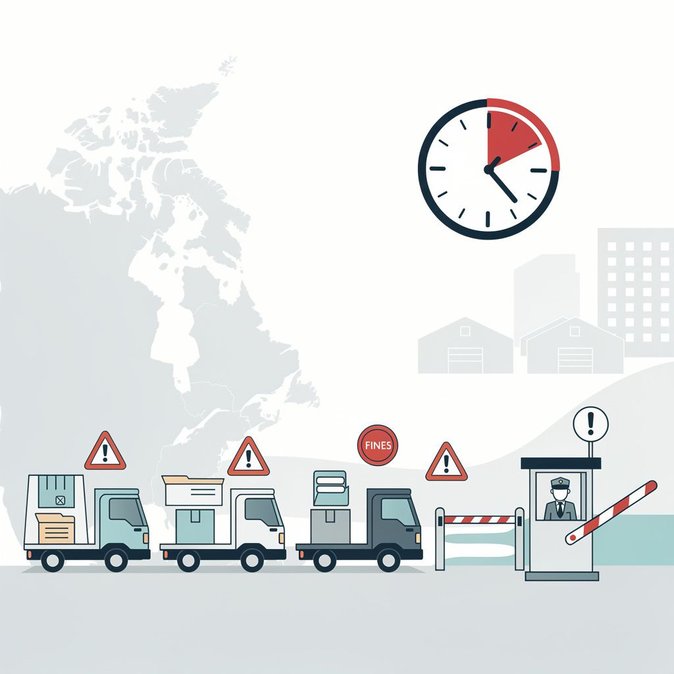
HMRC Warns Hauliers: Fix Entry Summary Declarations by 30 Sept or Face Penalties
HMRC has set a hard compliance deadline of 30 September 2026 for hauliers to correct specific data errors in Entry Summary Declarations for EU-to-GB freight. Continued non-compliance will trigger fines and potential border delays, which could disrupt corporate relocations and supply chains.