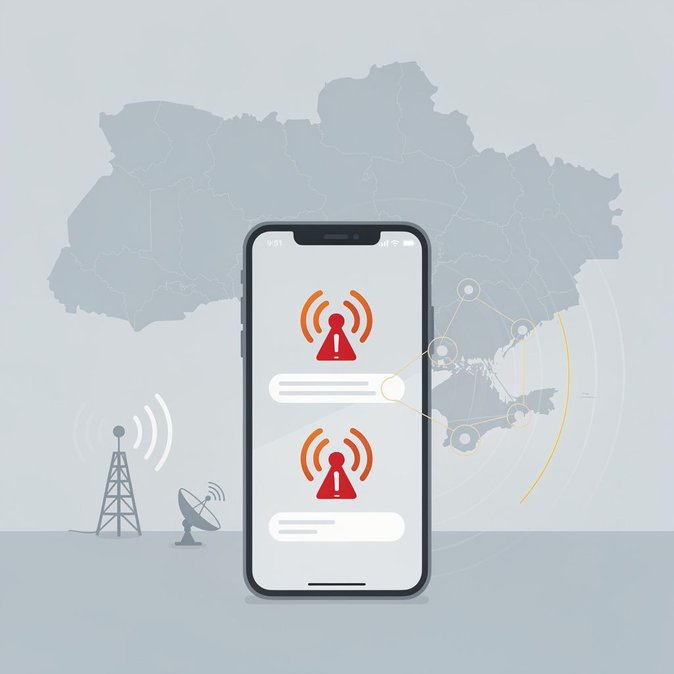
At 19:00 on 4 October residents in Lublin and Subcarpathian provinces received both a warning and an immediate recall message as Poland’s cell-broadcast system relayed Ukraine’s air-raid alerts, according to RBC-Ukraine. The overlap occurred because the threat had already passed when some operators pushed the initial message, forcing the Government Security Centre to send a second “all clear”. The incident highlights the complexities of synchronising alert platforms across borders. Since July, Kyiv’s siren network has shared metadata with Polish authorities so that missiles detected heading west can trigger pre-emptive warnings. However, data packets travel through multiple telecom gateways; any delay can lead to contradictory notifications, confusing travellers in the border region. For global mobility teams this means employees working in eastern Poland may see unfamiliar Ukrainian-language pop-ups. HR should circulate explanatory FAQs and remind staff that only messages headed “ALERT RCB” are official within Poland. Under local law, recipients must acknowledge alerts by swiping them away before normal handset functions resume. Experts from the EU Civil Protection Mechanism are testing a new time-stamping protocol to cut latency below eight seconds. Until it is deployed, companies are urged to maintain secondary channels such as SMS cascades or corporate apps to confirm shelter or resume orders after an alert cycle.
Source: RBC-Ukraine