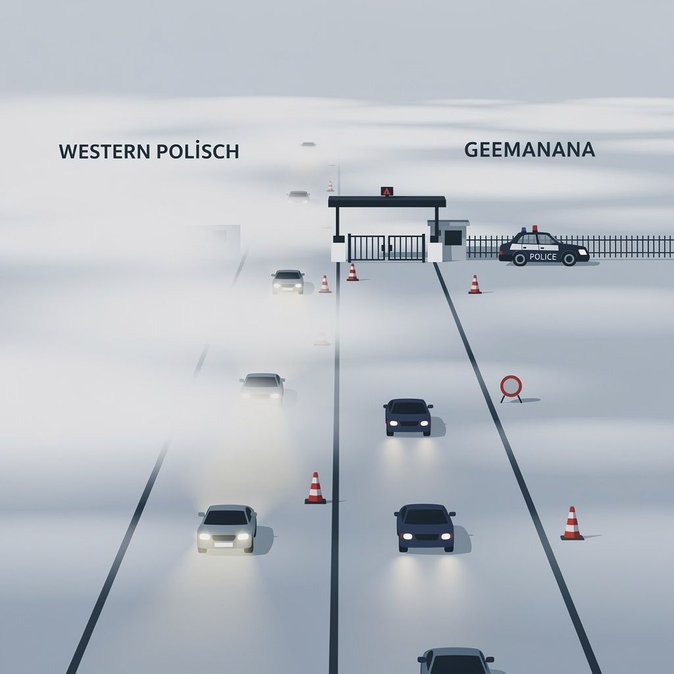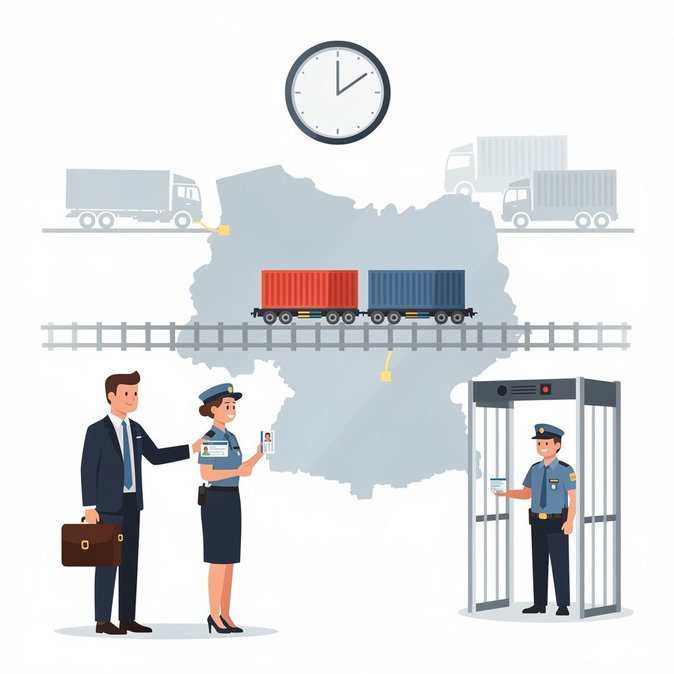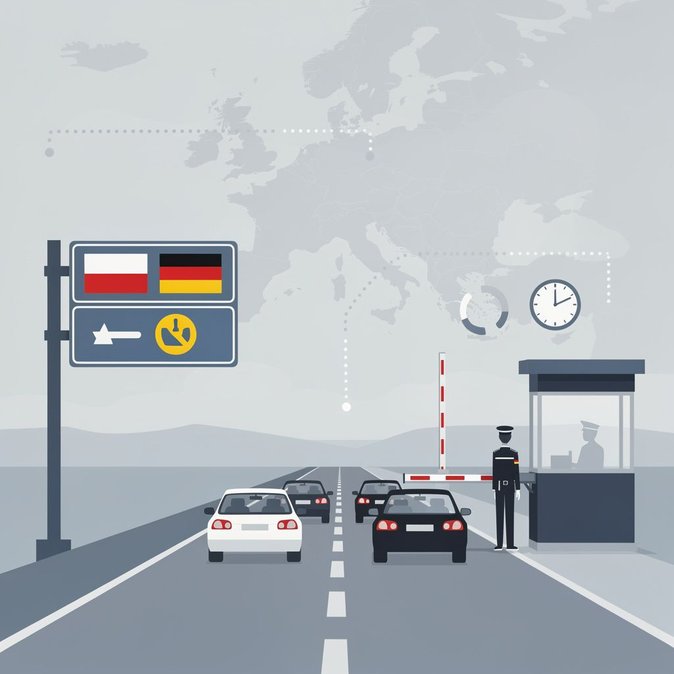
Real-time statistics at 19:21 on 4 October from KolejkaNaGranicy.pl show an average 27-minute wait at 14 monitored crossings between Poland and Germany, with the fastest transit at Kostrzyn nad Odrą/Keitz (21 min) and the slowest at Świecko/Frankfurt Autobahn (39 min). Random Schengen-internal checks introduced by Germany in 2023 remain in force, primarily targeting irregular migration along the A12 and A15 corridors. For business travellers the current figures are manageable, yet carriers warn that queues can spike above one hour during fog or shift change—conditions likely overnight due to RSO weather alerts. Rail traffic via Berlin-Warschau-Express remains unaffected. Employers should remind staff to carry passports or national ID cards even on intra-Schengen trips; German federal police can impose fines of €60 for failing to present valid ID during spot checks. Dual-citizen employees should travel on the same document when entering and exiting to avoid database mismatches under the EU Entry/Exit System. Looking ahead, Berlin has notified the European Commission of its intention to keep the regime through at least March 2027. Mobility planners should therefore treat the extra half-hour buffer as a semi-permanent feature when scheduling meetings or airport transfers.
Source: KolejkaNaGranicy.pl