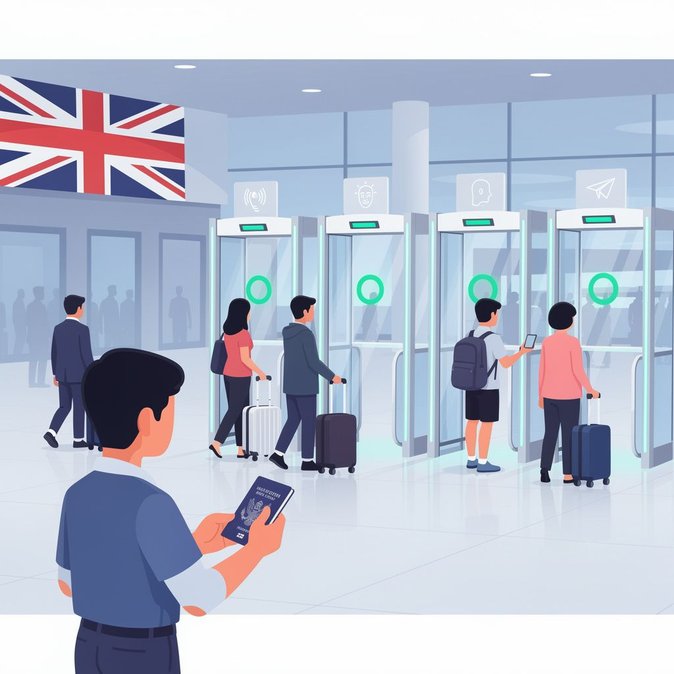
The long-standing ‘Getting through the UK border faster’ guidance—first published in 2016 and familiar to many business-travel coordinators—received a significant update on 6 October. A new fact sheet summarises how the contactless eGate operates and what travellers should do if the automated process cannot validate their identity. The update highlights three key operational changes: (1) passengers should now keep passports in hand luggage until instructed otherwise; (2) children aged eight and over have been able to use eGates since July, further reducing family queues; and (3) visitors entering on the Permitted Paid Engagement route no longer need a manual passport stamp, streamlining short-term work trips for speakers, consultants and performers. For companies that rely on rapid turnaround visits—such as field-service engineers or conference speakers—the removal of the PPE stamp could shave minutes off arrival times and avoid missed train connections from airports. Employers should, however, ensure that invitation letters and supporting documents are still carried, as officers may request evidence during a spot-check. The document retains existing advice on family travel, coach arrivals and eVisa verification, making it a one-stop reference for global mobility professionals. HR teams may wish to circulate the link in pre-trip emails and update intranet resources accordingly.
Source: GOV.UK guidance update