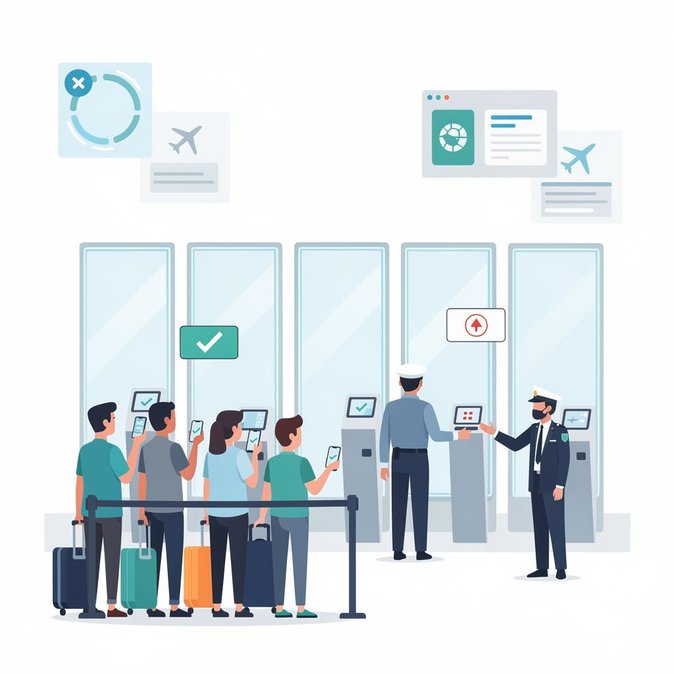
Hot on the heels of the contactless e-Gate launch, Border Force has updated its flagship "Getting Through the UK Border Faster" guidance. A new factsheet—published on 6 October—explains eligibility, privacy safeguards and troubleshooting for the contactless system. The document clarifies that travellers aged eight and above may use the gates and that the scheme will be extended to all nationalities currently eligible for standard e-Gates once reliability targets are met. The guidance removes references to passport insertion, emphasising instead the need for travellers to look directly at the camera until a green arrow appears. It also reminds passengers that they can be redirected if their digital permission to travel (ETA, eVisa or BRP-linked eVisa) cannot be matched. Border Force warns that the most common failure points during trials were expired ETAs and mismatched passport numbers—issues that employers can pre-empt by building automated reminders into travel-booking tools. For global mobility practitioners, the factsheet is useful collateral when briefing relocating staff or short-term assignees entering on Permitted Paid Engagement or Global Business Mobility visas. The document includes visual walk-throughs that can be embedded in induction packs, reducing anxiety for travellers unfamiliar with UK border processes. The update also consolidates earlier changes introduced over the summer, notably the July extension of e-Gate access to eight-year-old children travelling with a compliant adult and the April note that travellers without a digital permission may be refused at the gate. Companies should therefore conduct a quick audit of any internal "UK arrival" memos issued prior to April 2026 to ensure wording remains accurate. Finally, the guidance signposts a soon-to-launch online tool that will allow travellers to confirm their immigration status before flying. Although optional, Border Force expects airlines to encourage its use at online check-in, a development that could further shift compliance checks upstream and reduce last-minute problems at the physical border.
Source: Border Force – GOV.UK