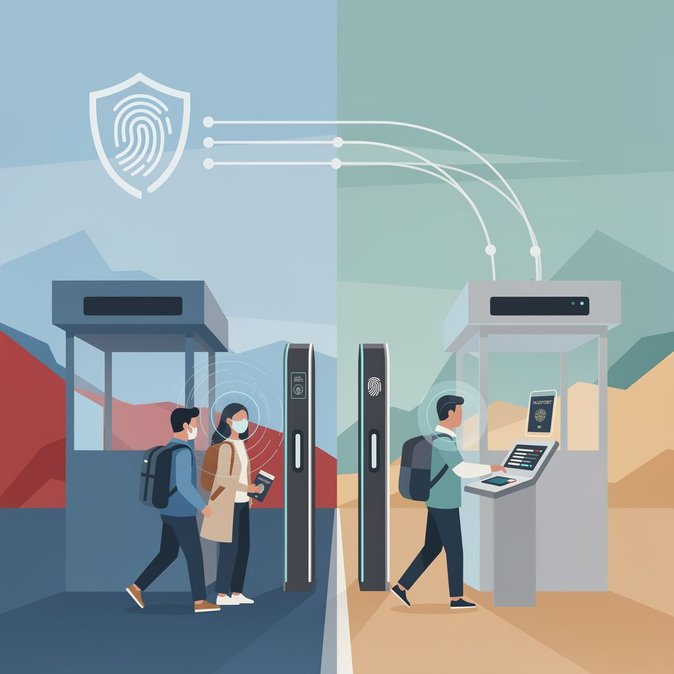
The U.S. Embassy in Dushanbe announced on 8 October that U.S. and Tajik officials concluded two days of consultations covering border security, counter-terrorism and disaster-response cooperation. Under the plan, the United States will provide $18 million in equipment and training to Tajik border troops, including portable biometric kits compatible with U.S. Customs and Border Protection (CBP) systems. Although the initiative is primarily aimed at stemming extremist movement along Tajikistan’s porous frontier with Afghanistan, it has direct travel implications. Once deployed, the biometric kits will feed traveler data into CBP’s ATS-G (Automated Targeting System-Global) platform, enabling real-time vetting of individuals boarding flights to the United States from Central Asia. Embassy officials said the project will shorten secondary screening times for legitimate travelers while improving interdiction of high-risk passengers. The consultations also produced an agreement in principle to stage annual joint tabletop exercises on pandemic-related border closures. During COVID-19, inconsistent rules created major bottlenecks for U.S. aid workers and contractors transiting through the region; planners hope standardized contingency protocols will keep future humanitarian traffic moving. For U.S. companies operating in Central Asia the upgrade should eventually mean faster clearance for staff flying via Dushanbe or Khujand, provided passports are e-chip enabled. Mobility managers should, however, be aware that once the ATS-G link goes live, derogatory information—including minor overstays or unpaid court fines—may surface during enhanced screening.
Source: Interfax-Kazakhstan