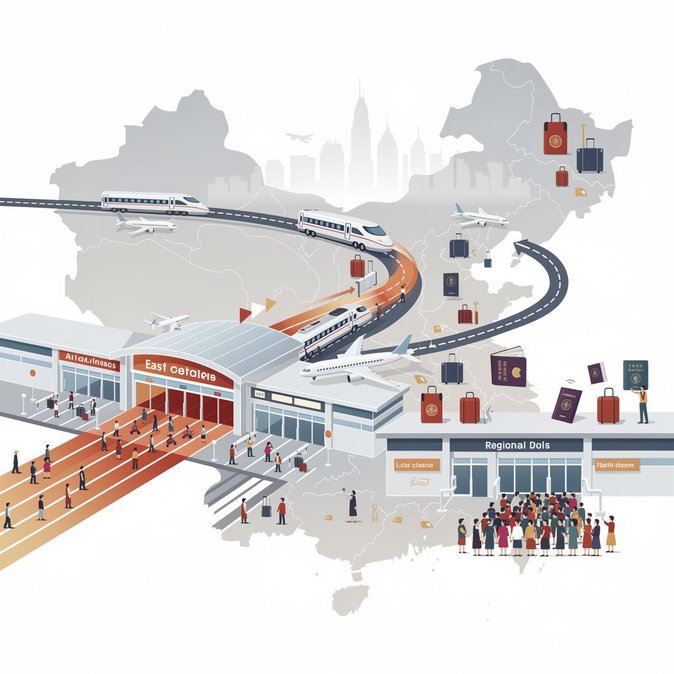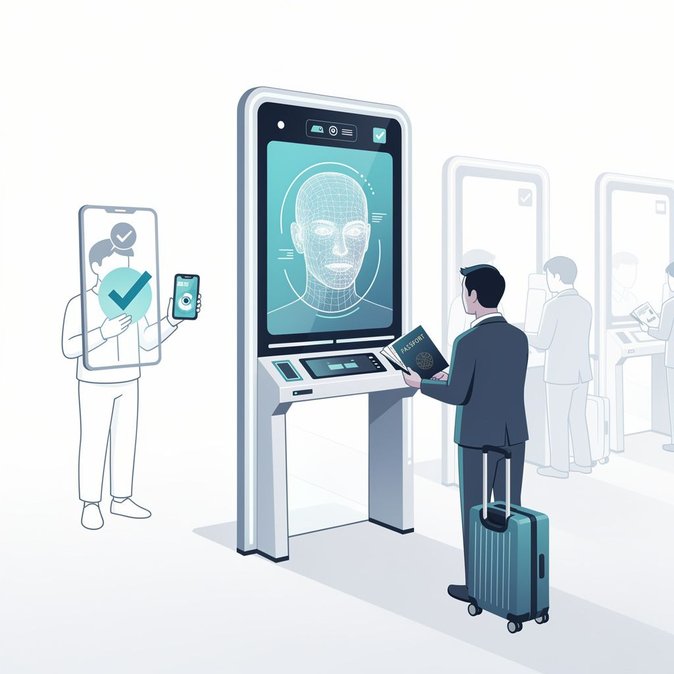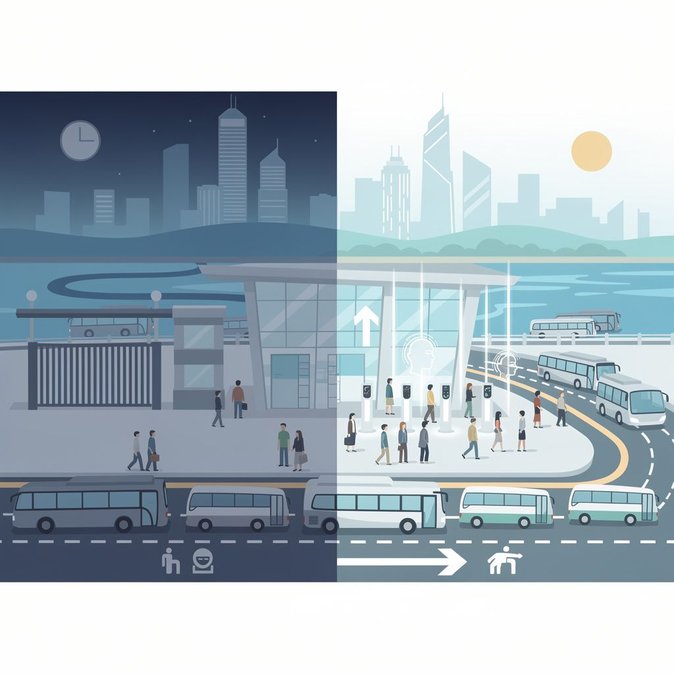
Cross-border commuters between Shenzhen and Hong Kong will need to change their routines next week. At 6:30 a.m. on Monday, 12 October 2026, the brand-new Huanggang Port passenger terminal will open for service and, at the exact same moment, passenger clearance at the long-serving Lok Ma Chau Control Point will cease. The joint announcement from Hong Kong’s Security Bureau and Shenzhen port authorities emphasises that the new facility will operate round the clock for both pedestrians and passenger vehicles, immediately raising overall capacity on one of the world’s busiest land borders. The rebuilt port introduces a “co-operative inspection, one-time release” model. Travellers present a single identity document and pass through a three-gate automated channel that completes both exit and entry checks in one stop. Hong Kong and mainland Chinese residents can pre-register for the biometric lane and clear in seconds, while foreign passport holders will be channelled to staffed counters until the automated system expands. Officials expect daily traffic to reach 100,000 passengers once operations stabilise. Transport links have been overhauled to feed the new crossing. Seven franchised bus routes, six green-minibus services, five 24-hour cross-boundary coach routes and dedicated taxi lanes will funnel travellers directly to the terminal’s doors. The Hong Kong Transport Department is urging business travellers to check route timetables carefully—some services run only during peak hours—and to consider using other crossings during the first week while Huanggang beds in. For corporate mobility managers the switchover has two immediate implications. First, employee travel policies and ground-transport vouchers need updating to show “Huanggang Port” in lieu of “Lok Ma Chau.” Second, passengers using pre-booked cross-boundary coaches or hire cars in the week of 12 October should reconfirm which port the vehicle will use; tickets issued earlier may still list the old control point. In the medium term the 24-hour port removes one of the few remaining curfews on Guangdong–Hong Kong business travel, allowing late-night factory visits and just-in-time logistics moves without the risk of being stranded overnight. Companies with production on the mainland and finance or design teams in Hong Kong are expected to benefit most from the greater flexibility.
Source: Deep Arrival