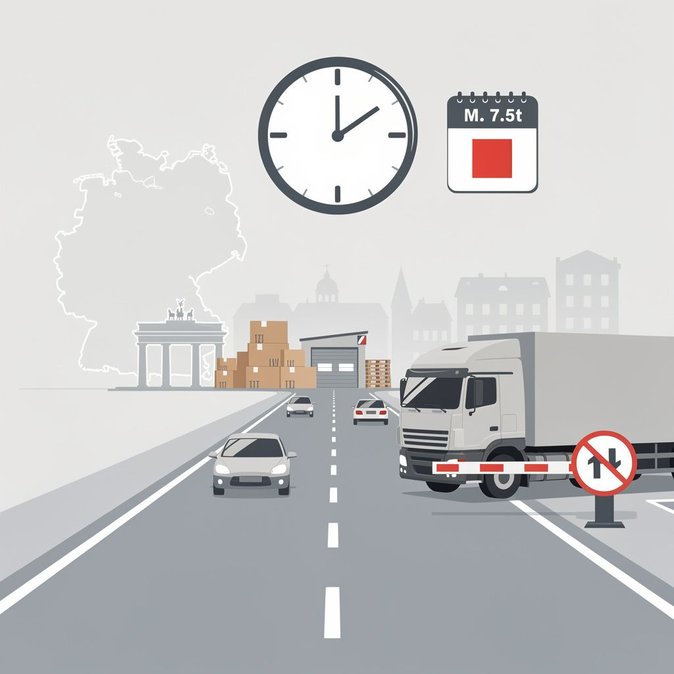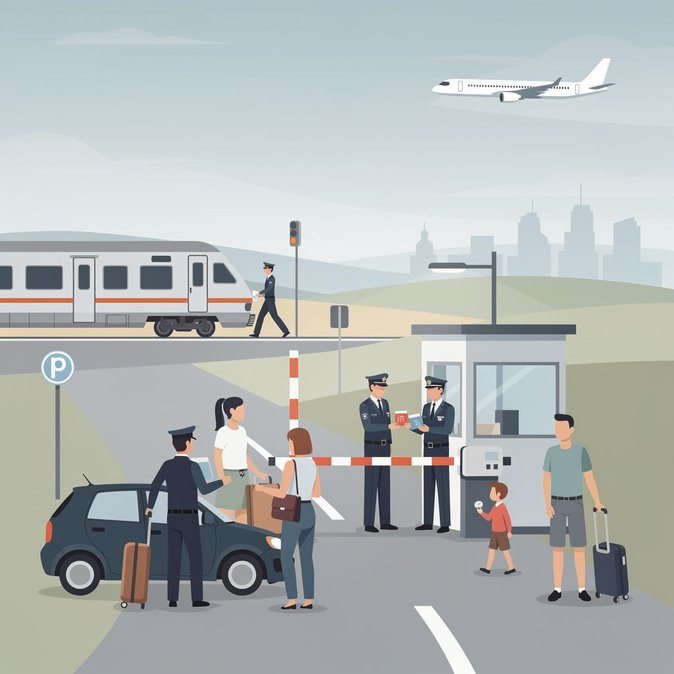
Independent travel-intelligence site Explore With Kojo updated its Germany page on 10 October to reflect the latest Federal Police notification: all internal land-border controls have been prolonged to 15 March 2027. While airports operate normally, travellers entering by road or rail from Austria, Czechia, Poland, France and six other neighbours must continue to carry passports or national ID cards and should expect spot checks. The extension—initially introduced in 2024 to curb irregular migration—has practical knock-on effects for multinational companies. Cross-border commuters may face occasional delays that complicate working-time planning. Employers issuing A1 portable documents or Vander Elst notices should factor in extra lead time in case officers request printed proof of social-security coverage or posting documentation. For visa-exempt business visitors, the message remains mixed: Schengen rules on 90/180-day stays still apply, but the chance of having one’s passport stamped at the German frontier increases, which can affect day-counting accuracy. Corporations may wish to switch to digital day-tracking tools that reconcile Entry/Exit System (EES) records with HR data. Notably, Kojo’s bulletin also reminds non-EU travellers that the EES now captures fingerprints and a facial image at Germany’s external borders. Companies sponsoring short-term training programmes should schedule arrival times with buffer periods until staff become familiar with the biometric kiosks. Although the advisory carries no legal force, it consolidates disparate police notices into plain-English guidance useful for travel-risk assessments, especially for SME mobility teams without in-house immigration counsel.
Source: Explore With Kojo