EU list confirms Germany’s internal-border checks extended to 15 March 2027
Germany Extends Temporary Border Checks to 15 March 2027 Amid Irregular-Migration Concerns
Bundestag debates far-right AfD motion for a “Migration U-turn”
Latest News

Government unveils draft AI in Migration Administration Act
Berlin has introduced a draft law to digitalise immigration workflows with AI-powered identity checks and smart case routing. If adopted, the measure could cut processing times for work and residence permits but will require employers to provide error-free digital documentation from the outset.
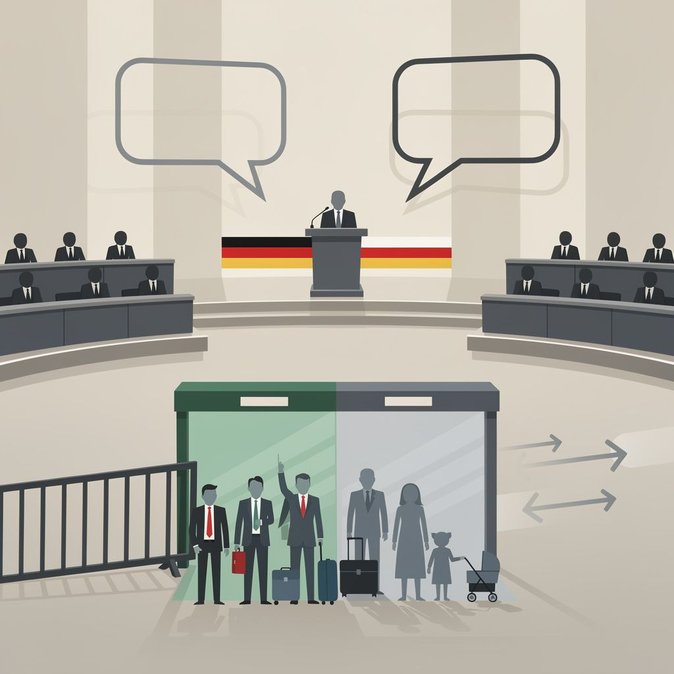
Bundestag opens fiery debate on AfD’s proposal for a German “migration turnaround”
On 9 October the Bundestag held a combative first reading of the AfD’s motion for a “migration turnaround”, demanding stricter visa issuance, near-total suspension of family-reunification and large-scale deportations. While the bill will not pass in its current form, the debate signals growing political support for tougher immigration and border controls—issues that could affect corporate talent pipelines and family mobility planning in the medium term.
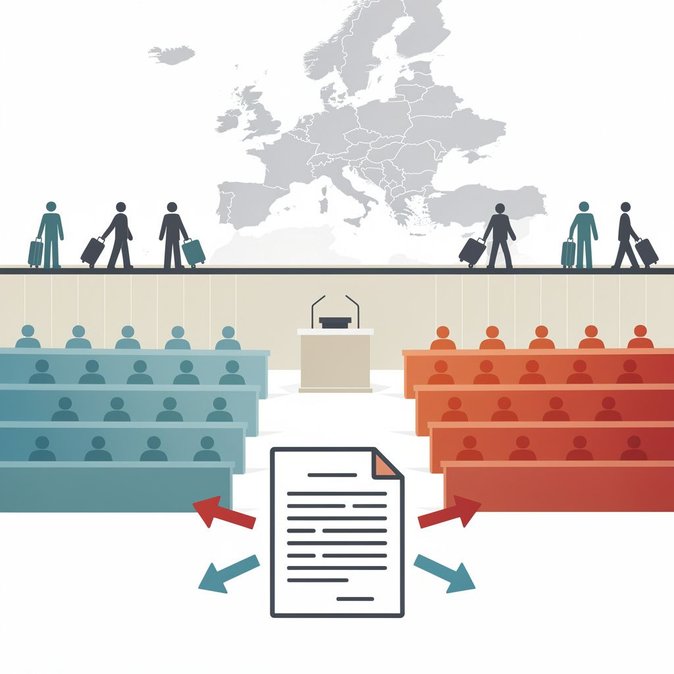
Bundestag opens heated debate on AfD motion calling for a “migration turnaround”
Parliament held a fiery first reading of an AfD draft law demanding sweeping deportations, stricter naturalisation rules and a freeze on family-reunification visas. While unlikely to pass, the motion forces governing parties to state their own plans ahead of the 2027 race and underlines that immigration will dominate next year’s political calendar—something global-mobility teams must watch.

Parliament Sends AI-Driven Migration-Administration Bill to Committee
On 8 October 2026 the Bundestag debated the Artificial-Intelligence in Migration Administration Bill, which would let German visa and asylum authorities use machine-learning systems for fraud screening, case allocation and data cross-checks. The draft promises quicker, more consistent visa decisions but faces scrutiny over privacy and bias. If enacted, corporate-mobility teams may need to adjust document formats to feed AI tools and could benefit from shorter processing times.
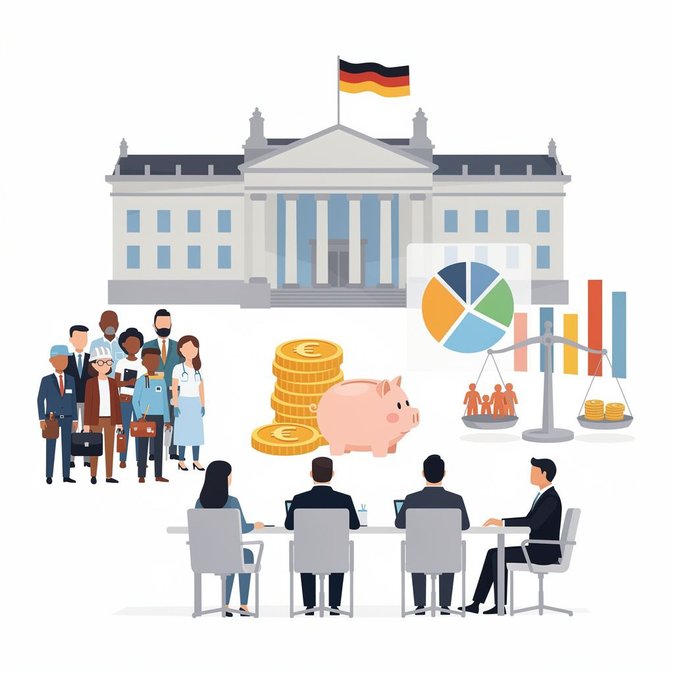
Parliament weighs economic costs and benefits of immigration in special hearing
A special Bundestag hearing on 9 October examined fresh data on migration’s fiscal balance. Government economists say immigrants are a net boon to tax revenues and pensions, whereas critics highlight local budget strains. The exchange foreshadows further political battles over Germany’s new Skilled Immigration Act—developments that HR departments need to track closely.
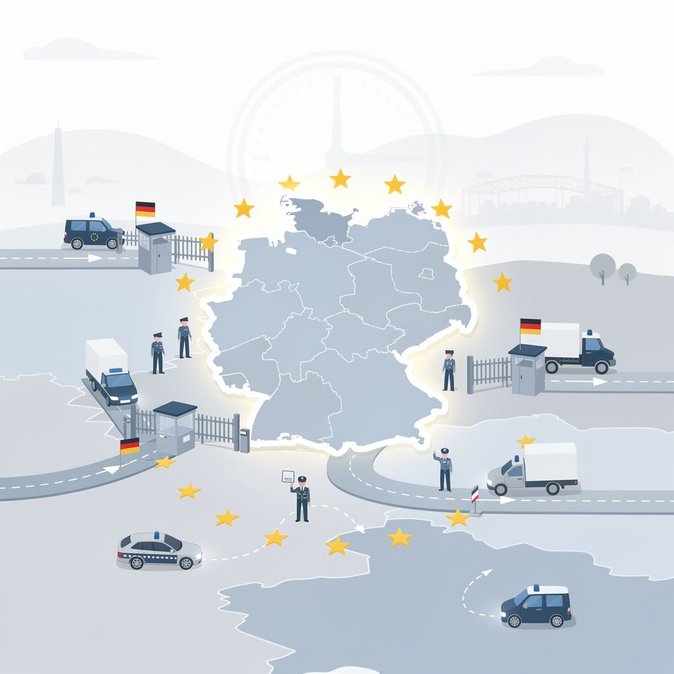
EU confirms Germany’s land-border checks will run until 15 March 2027
An 8 October update to the EU’s border-control register reveals that Germany has prolonged its internal land-border checks for another six months, until 15 March 2027, citing persistent irregular migration and security threats. Travellers and freight operators should expect continued spot-checks and minor delays on all German land borders.
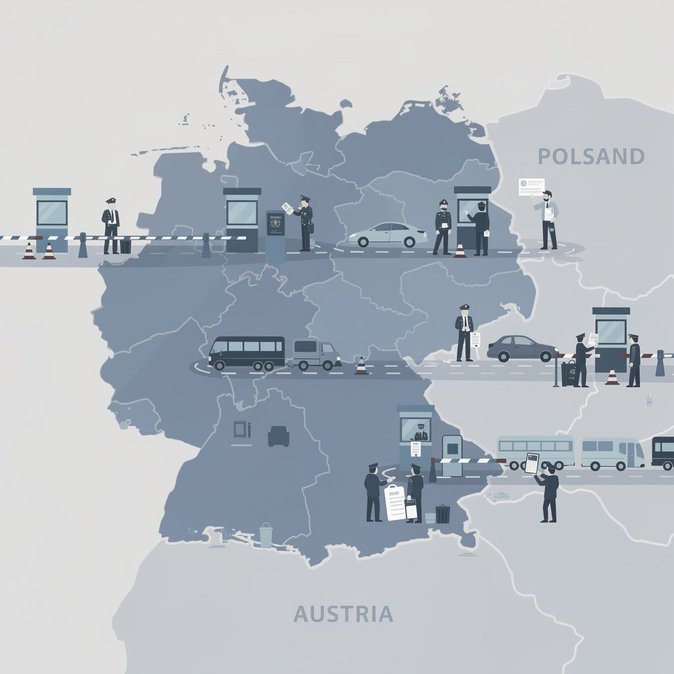
Schengen map shifts again as Germany and neighbours prolong internal border checks
An EU update shows Germany will keep full land-border checks until at least 15 March 2027, with Poland, Austria and others extending theirs. Routine ID controls continue to affect road, rail and coach traffic, lengthening journey times and requiring employees to carry passports or residence documents.
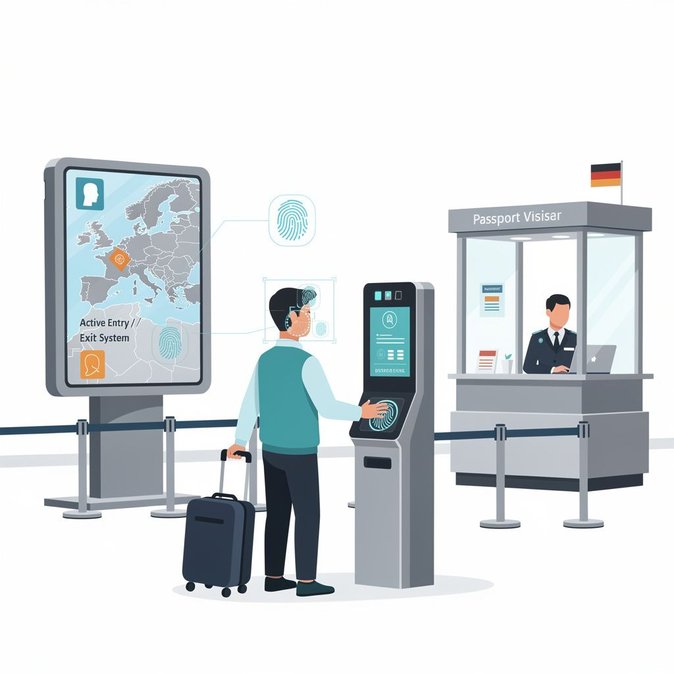
EES fully live, ETIAS still pending: what Germany-bound digital nomads must know in Q4 2026
A 9 October guide confirms EES is already active at German external borders, recording biometrics for non-EU short-stay visitors, while ETIAS remains delayed with no start date. Travellers must budget extra border time but still need visas or residence permits for work.

Bundestag debates first AI-for-immigration bill, setting the stage for digital case-processing
On 8 October the Bundestag held the first reading of the KI-Migrationsverwaltungsgesetz (KIMVG), which would authorise migration authorities to develop and use AI for identity checks, fraud detection and workflow optimisation. While promising shorter processing times for work visas, the bill introduces new data-protection and algorithmic-fairness issues that employers should monitor during committee hearings.
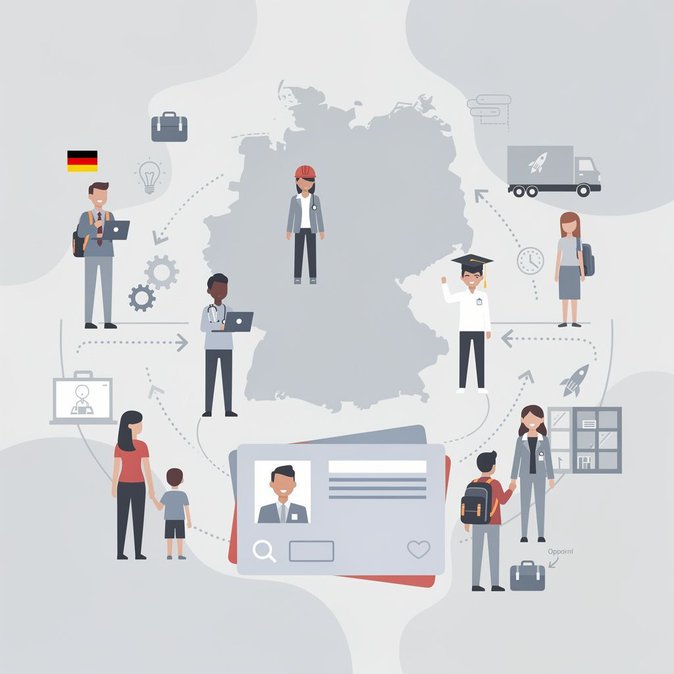
Germany publishes final guidance on the 2026 Skilled Immigration Act: lower salary thresholds and new “opportunity card”
On 8 October Germany released the definitive guidance for its 2026 Skilled Immigration Act. Highlights: EU Blue Card salary thresholds drop to €50,700 (€45,934 for shortage jobs), non-degree IT experts become eligible, and a new points-based “opportunity card” lets third-country nationals job-hunt in Germany for a year. Simplified family reunification and relaxed driver, student and start-up rules make the reform highly relevant for employers planning 2027 talent strategies.

Night-time survey flights to close BER’s northern runway, minor delays expected
Survey and calibration flights will shut Berlin Brandenburg’s northern runway overnight on 9–10 October, trimming capacity and causing minor schedule adjustments. Companies with late-night arrivals into BER should advise travellers to check updated flight and rail connections.
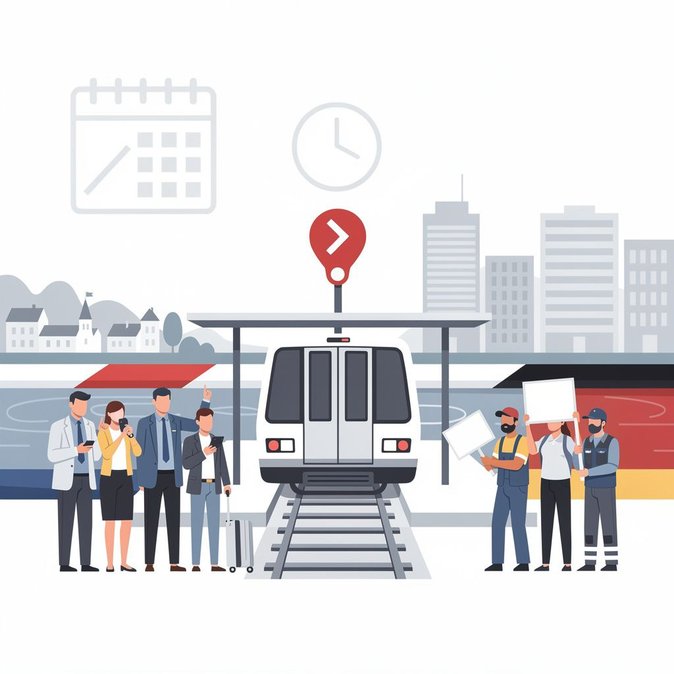
Month-Long GDL Strike Hits Saarbahn, Disrupting Cross-Border Commuters
GDL has launched on-off strikes on Saarbahn light-rail services from 9 October 2026 until month-end, citing stalled wage talks. The stoppages chiefly affect the cross-border S1 line linking Sarreguemines (FR) and Saarbrücken, delaying commuters and supply-chain staff. Employers should plan alternative transport and remote-work arrangements during the rolling action.
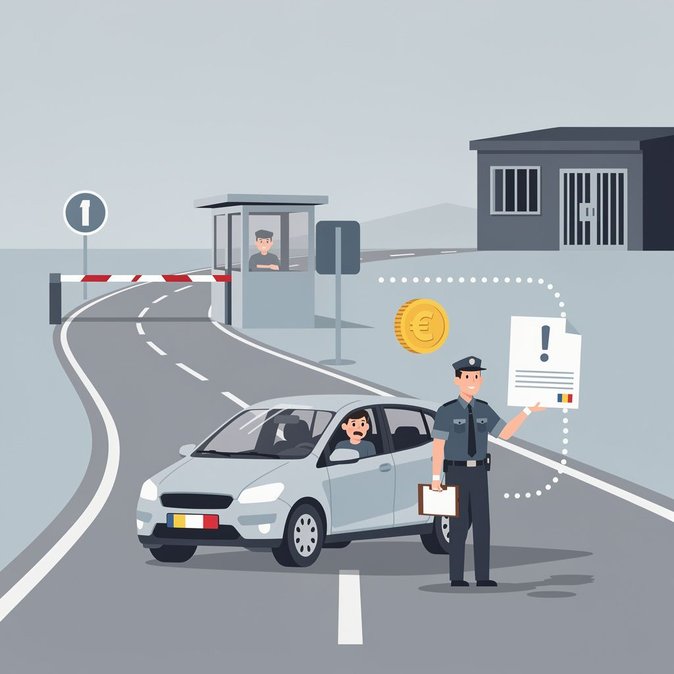
Border check on B9 at Scheibenhardt lands motorist 25 days in jail for unpaid hit-and-run fine
A routine border stop on the B9 uncovered an unpaid traffic fine, resulting in a 25-day jail term for a Romanian motorist. The episode highlights how Germany’s internal checks catch non-migration warrants, posing unexpected detention risks for cross-border staff.

German border police stop twelve irregular migrants in a single day around Lake Constance
Bavarian federal police refused entry to twelve migrants in one day near Lindau, underscoring continued pressure on Germany’s southern border and the likelihood of intensified coach and motorway checks that can delay legitimate travellers.
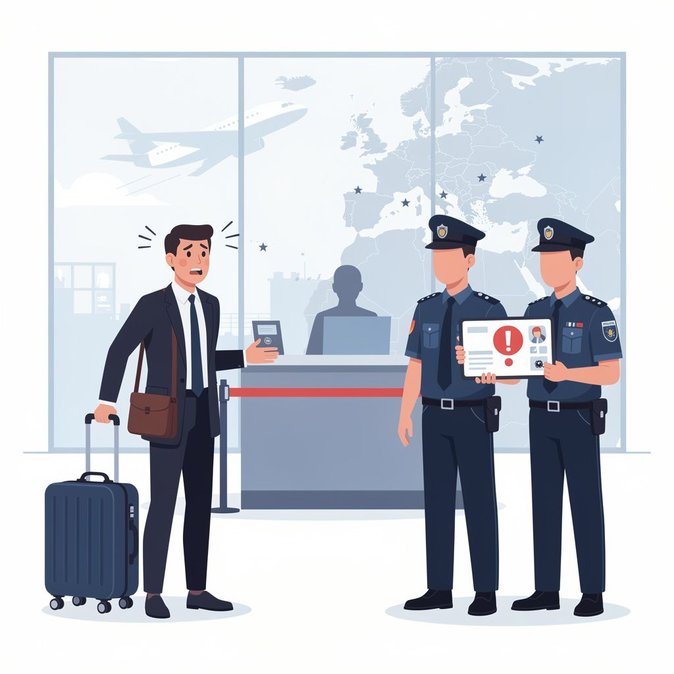
Albanian traveller arrested at Hamburg Airport over unpaid residency fine
Federal police at Hamburg Airport detained an Albanian passenger over a 2025 residency fine; he was released only after €2,085 was paid. The incident shows how unpaid migration penalties can trigger EU-wide warrants, posing surprise risks for returning business travellers.

Handelsblatt chief economist: Skilled immigration is the key to Germany’s growth
Handelsblatt’s Bert Rürup contends that only a sustained inflow of skilled foreigners can lift Germany’s economy out of stagnation. He advocates streamlined visa processing, English-language services and public funding for integration to accelerate corporate hiring.
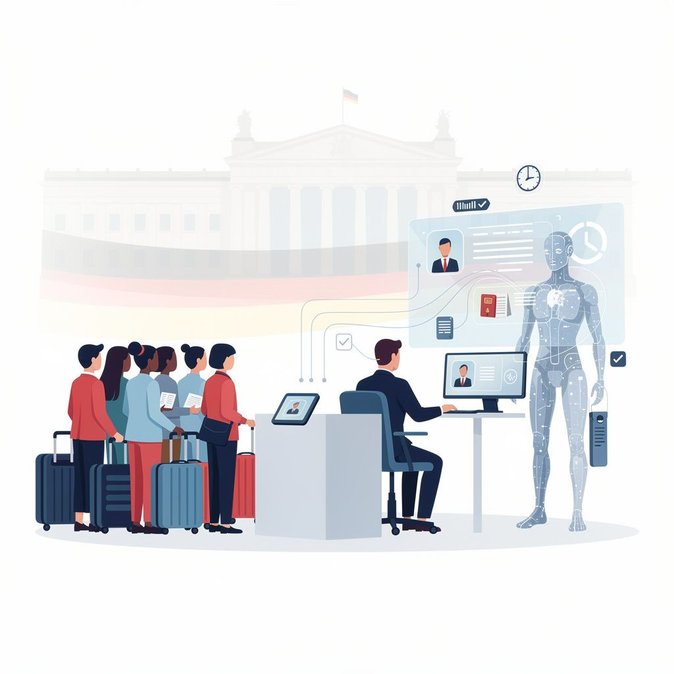
Bundestag launches AI-Migration Bill to digitalise Germany’s immigration administration
The Bundestag began debating the AI in Migration Administration Act (KIMVG) on 8 October 2026. The bill would authorise immigration authorities to use AI for case-handling, fraud detection and process monitoring, with human oversight safeguards. Faster visa and residence-permit processing could ease talent shortages, but businesses must get ready for new digital data interfaces and compliance requirements.

Germany and UK ratify Kensington Treaty, promise smoother post-Brexit business mobility
Berlin and London finalised the Kensington Treaty on 8 October 2026, activating new visa-free business travel rights, professional-qualification recognition and airport fast-track lanes. German multinationals gain simpler short-term UK assignments, while UK firms benefit from easier client-work visits to Germany. Companies must adjust compliance processes before the new scheme goes live on 1 January 2027.
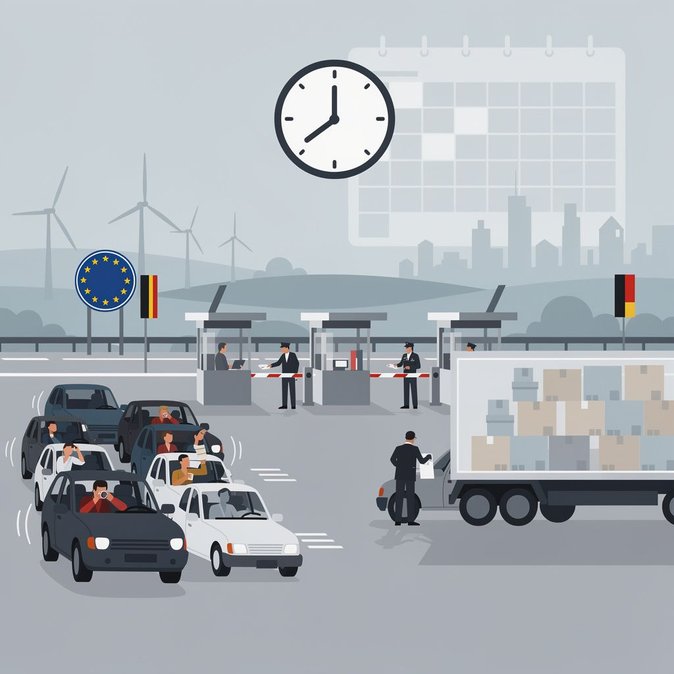
Federal Police report 23,000 illegal entries since border checks returned—corporate shuttles face delays
New statistics published on 8 October 2026 reveal over 23,000 illegal-entry interceptions since Germany reinstated land-border controls, causing up to 40-minute delays for commuters and supply-chain traffic. The Interior Ministry plans to keep the checks until March 2027, prompting business groups to seek mitigation measures such as registered-traveller lanes.
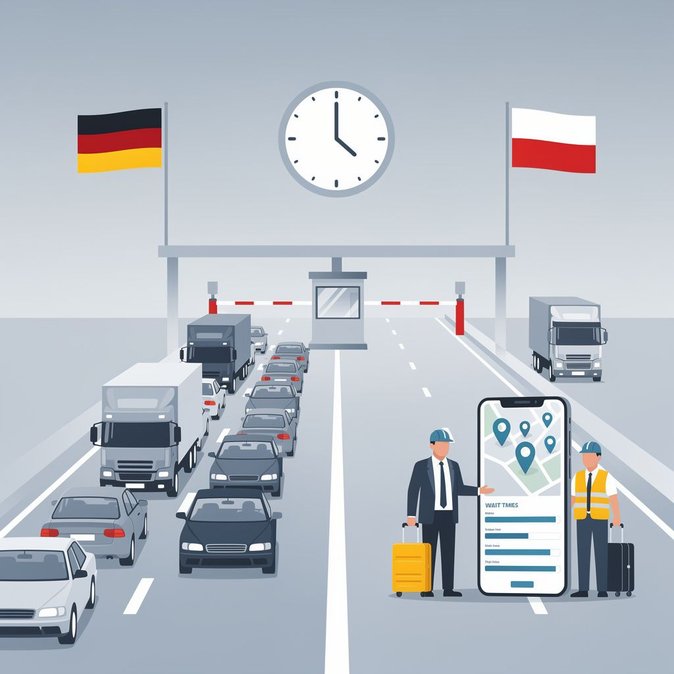
German Foreign Office warns of long waits at Polish frontier as Warsaw prolongs controls
The German Foreign Office updated its Poland travel advisory on 8 October 2026, cautioning of extended Polish border checks that are causing multi-hour queues for freight and business travellers. Companies moving goods or staff across the German-Polish frontier should build extra lead time and monitor live wait-time apps; bilateral ‘Green Lanes’ are being discussed.
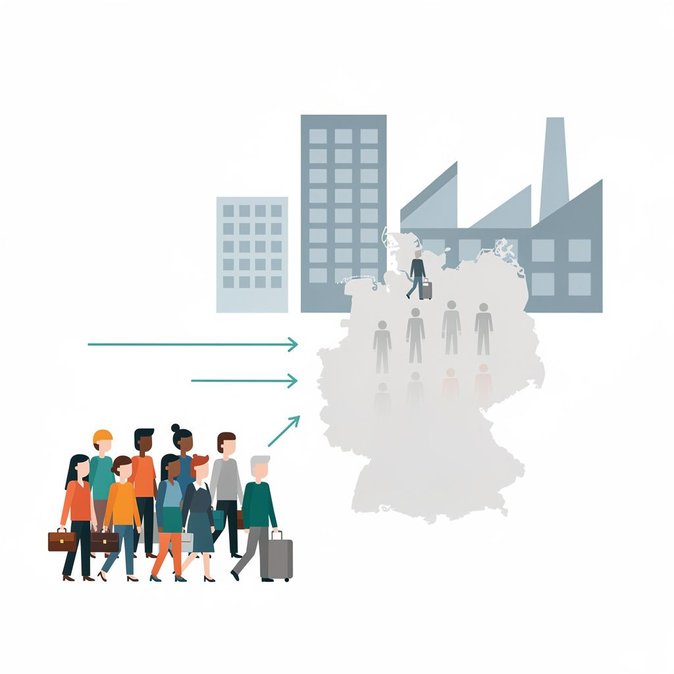
Study warns Germany will lose 1.7 million residents by 2045 without sustained immigration
A new demographic report projects that Germany will have 1.7 million fewer inhabitants and a sharply smaller workforce by 2045. The authors say only continuous, targeted immigration and faster integration can prevent severe labour shortages—making visa facilitation and regional attractiveness central to corporate location decisions.

EU working party meets in Brussels to refine integration and return rules—Germany pushes skills-first approach
At the EU Working Party on Integration, Migration and Expulsion on 8 October 2026, Germany lobbied for EU-wide rules that would speed up skilled refugees’ entry to the labour market and digitalise posted-worker social-security paperwork. The draft measures, if adopted, could ease talent shortages and compliance burdens for German companies.

Federal Police stop 12 irregular migrants at Bavarian crossings in one day
Bavarian border police intercepted twelve undocumented migrants in a single day at road, rail and bus controls near Lindau, highlighting Germany’s continuing internal Schengen checks. The crackdown signals potential delays for legitimate travellers and underscores the need for rigorous document compliance on cross-border coach and car journeys.
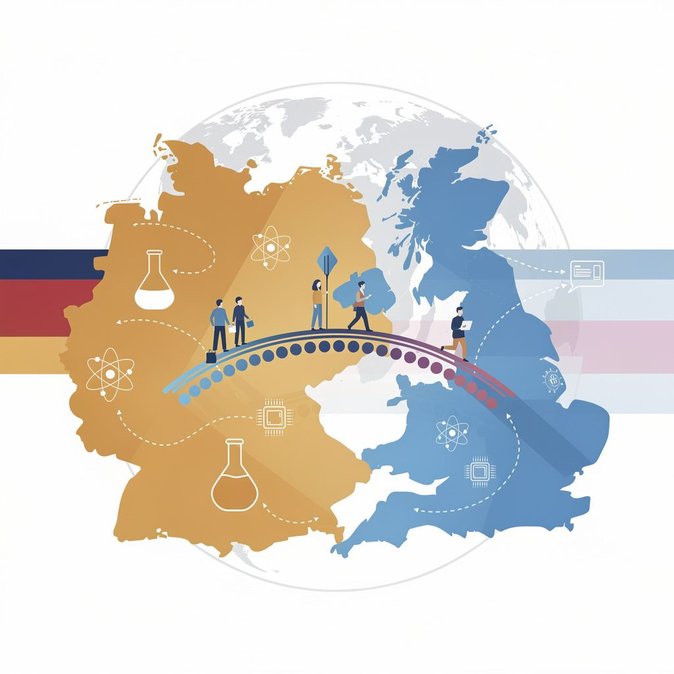
Germany and UK ratify Kensington Treaty, hint at future mobility corridors for tech talent
Germany and the United Kingdom have completed ratification of the Kensington Treaty and announced new tech and research initiatives. Working groups will now examine talent-mobility schemes—signals that easier short-term travel for researchers and start-up employees could emerge in 2027, with implications for post-Brexit assignment planning.

Hapag-Lloyd warns clients of possible nationwide port strikes in Germany
Hapag-Lloyd’s 8 October bulletin urges customers to plan for potential strikes at German ports after unions rejected a wage deal. Prolonged action could delay household-goods shipments for expat moves, making contingency planning essential for global mobility and procurement teams.