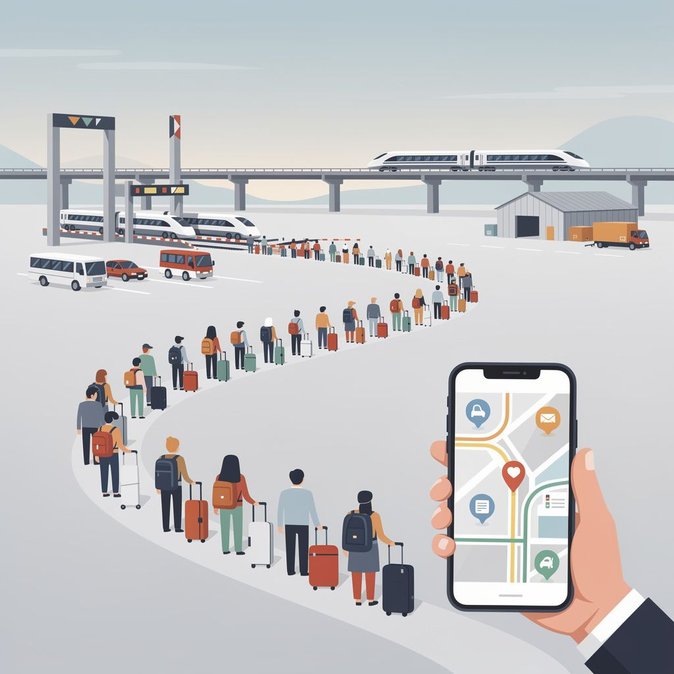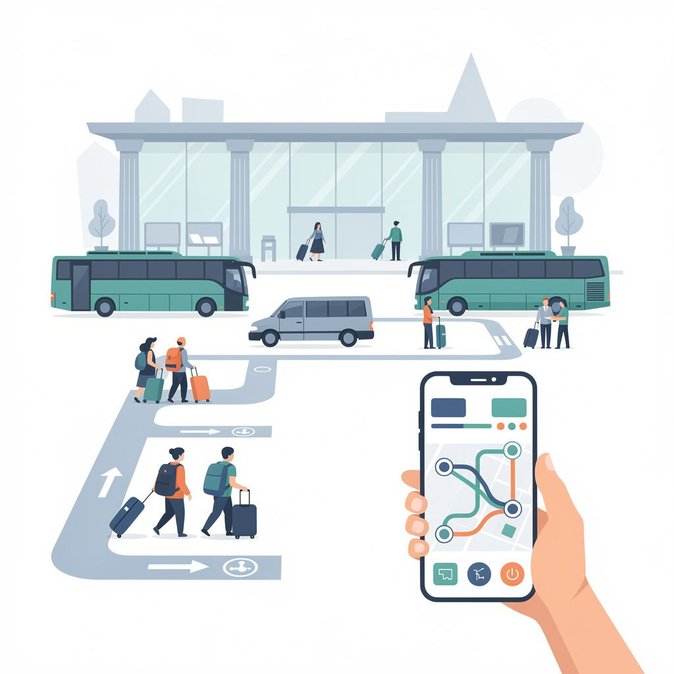
Hong Kong’s Transport Department (TD) has rolled out an extensive contingency plan to keep passengers and traffic moving smoothly through the brand-new Huanggang Port during the Chung Yeung Festival long-weekend (October 17-19). In a statement released on October 16, the TD said special traffic and public-transport arrangements will be activated at the 24-hour land boundary control point, which opened only four days earlier, to cope with a predicted holiday surge of cross-border travellers. Under the plan, franchised bus companies will be able to shorten headways to as little as two to three minutes, while green minibuses and cross-boundary coaches will run every three to four minutes during peak periods. Additional standby vehicles, queue marshals and real-time monitoring staff will be deployed at the Huanggang Port public-transport interchange (PTI), San Tin PTI and major MTR and bus termini across the city. New route-maps and queue-line improvements have been installed at San Tin PTI so travellers can see at a glance which bus or minibus connects them to seven different MTR stations or directly to Hong Kong International Airport and the Hong Kong-Zhuhai-Macao Bridge. Technology plays a central role in the holiday plan. The TD has added a dedicated “Huanggang Port” button inside its HKeMobility mobile app, giving passengers one-tap access to interchange layouts, real-time service frequencies and live CCTV snapshots of road conditions leading to the port. Transport operators will simultaneously push frequency changes and fare concessions through their own digital channels to keep passengers informed. Officials emphasised that travellers should “plan early and avoid rushing to use the new port,” noting that multiple land boundary control points are available. The TD’s Emergency Transport Co-ordination Centre will operate around the clock over the holiday, ready to adjust signals, reroute traffic or dispatch extra buses if congestion builds. The department is also disseminating the advisory through the Travel Industry Authority and trade associations so tour groups can stagger departures and reduce bottlenecks. For businesses that rely on same-day delivery teams and cross-boundary commuters, the measures provide welcome predictability only days after the port’s inauguration. Corporations have been advised to instruct travelling staff to download HKeMobility, factor in buffer time and, where possible, schedule crossings outside forecast peaks. The TD’s ability to maintain free-flowing traffic over the first major holiday will be viewed as an early test of Hong Kong’s “co-location” border strategy and of Huanggang Port’s capacity to become the primary people-moving gateway between Hong Kong and the Greater Bay Area.