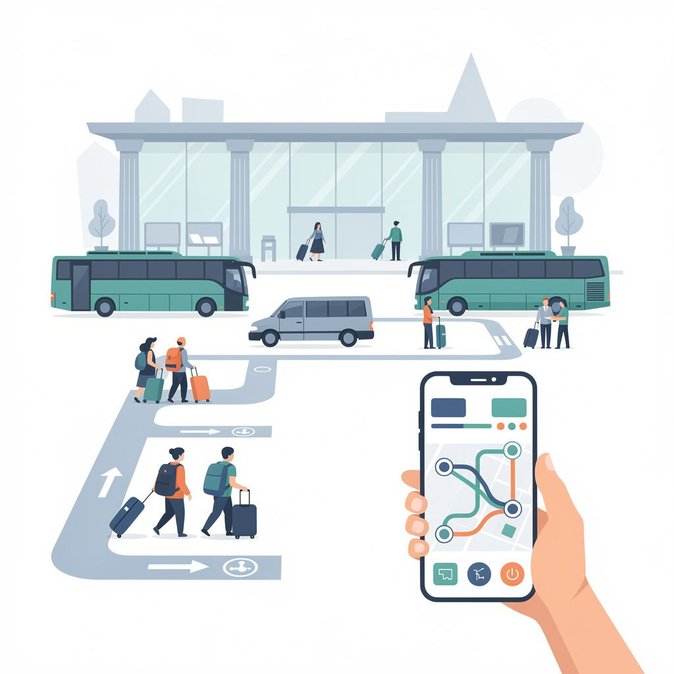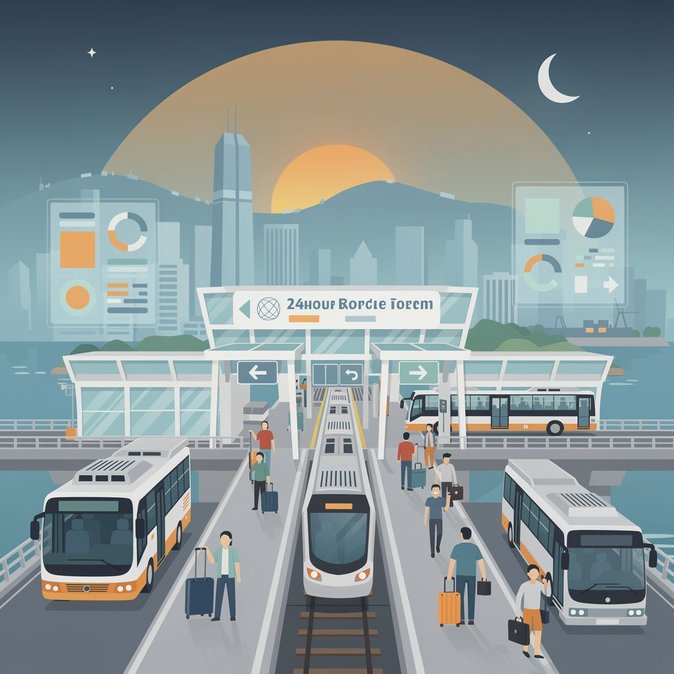
With Chung Yeung Festival creating a three-day weekend starting 17 October 2026, Hong Kong’s Transport Department has unveiled special traffic and public-transport measures at the newly redeveloped Huanggang Port to cope with an expected spike in cross-boundary travellers. Officials project that passenger volumes through the 24-hour checkpoint—already nearly double normal levels since its 12 October opening—will peak on Monday afternoon and early evening as residents return from mainland grave-sweeping trips. To prevent bottlenecks, franchised bus, minibus and cross-border coach operators have been instructed to deploy reserve fleets, increasing frequencies to every 2-4 minutes during rush periods. The MTR Corp will add trains on the East Rail Line between Admiralty and Lok Ma Chau, while the Guangzhou-Shenzhen-Hong Kong Express Rail will run extra short-haul services between West Kowloon and Shenzhen North. Shuttle buses across the Hong Kong-Zhuhai-Macao Bridge will also run as frequently as once per minute at peak. The Transport Department’s Emergency Transport Coordination Centre will maintain round-the-clock surveillance of passenger flows, ready to redeploy vehicles and staff in real time. Travellers are advised to plan ahead, consider alternative crossings such as Lok Ma Chau Spur Line or Shenzhen Bay, and avoid congregation at Huanggang immediately after family outings on the mainland. For corporates managing expatriate travel or cross-border commuters, the advisory signals potential delays for road freight and employee shuttles on 19 October. Logistics firms are adjusting dispatch schedules, while HR teams are issuing flexible-work notices. Travel-risk consultancies note that the proactive measures demonstrate Hong Kong’s commitment to ensuring the smooth operation of its first “co-location” border facility, critical to the Greater Bay Area’s integrated labour market. Looking ahead, data gathered during the holiday will feed into an AI-driven forecasting system the Transport Department is piloting to optimise bus-route planning and dynamic lane allocation at the port. If successful, the model could be extended to other land crossings, enhancing the SAR’s overall mobility resilience during festival travel peaks.
Source: RTHK