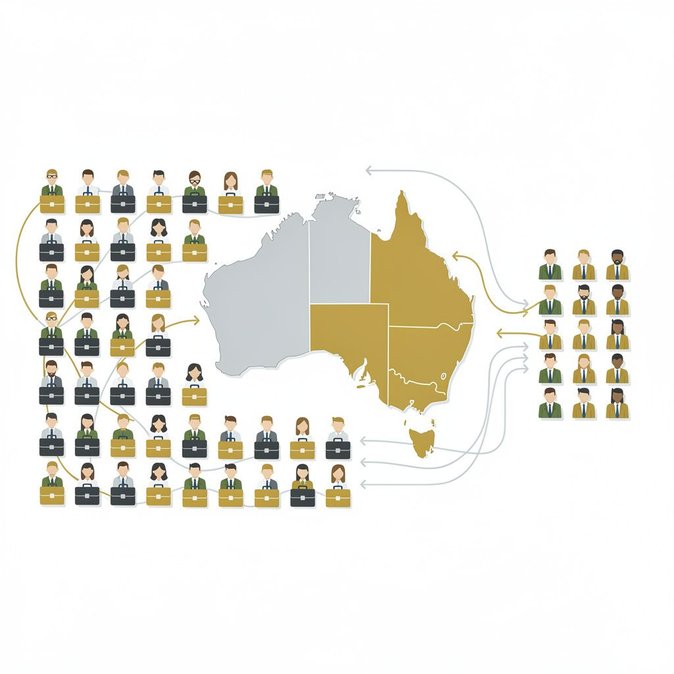
With less than six weeks until Victoria goes to the polls, immigration has surged to the centre of the state-level campaign – and, by extension, the national conversation on population growth. A weekend feature in The Guardian Australia highlights how India-born residents – now the largest migrant cohort in the country – feel bruised by the major parties’ increasingly hawkish rhetoric on migration caps. Community leaders interviewed say the focus on cutting Net Overseas Migration (NOM) from this year’s 292,000 to the Coalition’s proposed 100,000 is eroding their sense of welcome. Behind the politics sits a practical mobility issue for employers. Indian nationals account for more than a quarter of grants in Australia’s skilled temporary and permanent programmes. Re-tightening caps would lengthen queues for high-demand occupations such as ICT professionals, engineers and nurses, making talent planning harder for multinationals with Australian operations. Business groups are already lobbying both federal Treasury and the state government to ring-fence critical-skills visas from any headline cut. They point to Treasury modelling showing that each 1,000 skilled migrants add A$92 million to GDP over five years, largely through higher labour-force participation and tax receipts. For internationally mobile staff, the political mood matters: risk of sharper caps could accelerate costs for intra-company transfers and family reunion, while uncertainty over future policy may deter employees from accepting Australian assignments. Mobility managers should monitor party platforms as the 2028 federal contest approaches and prepare contingency plans for tighter nomination ceilings or longer processing times.
Source: The Guardian Australia