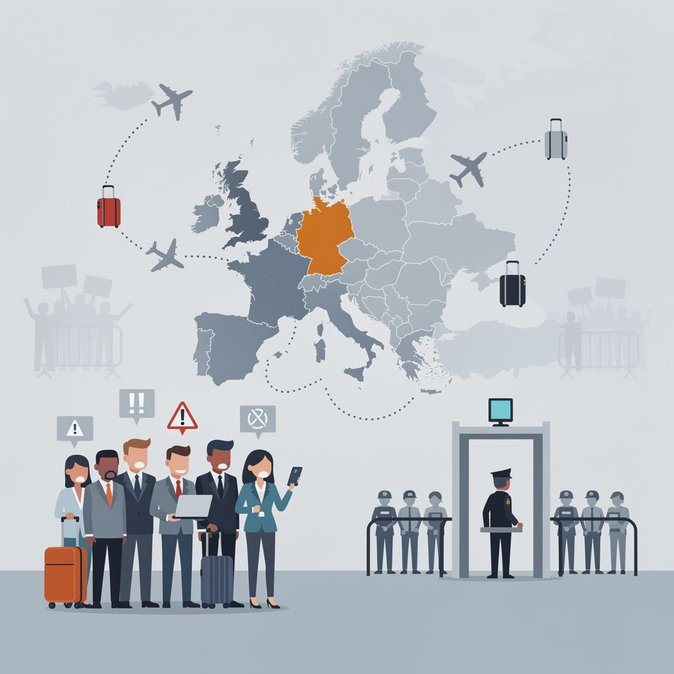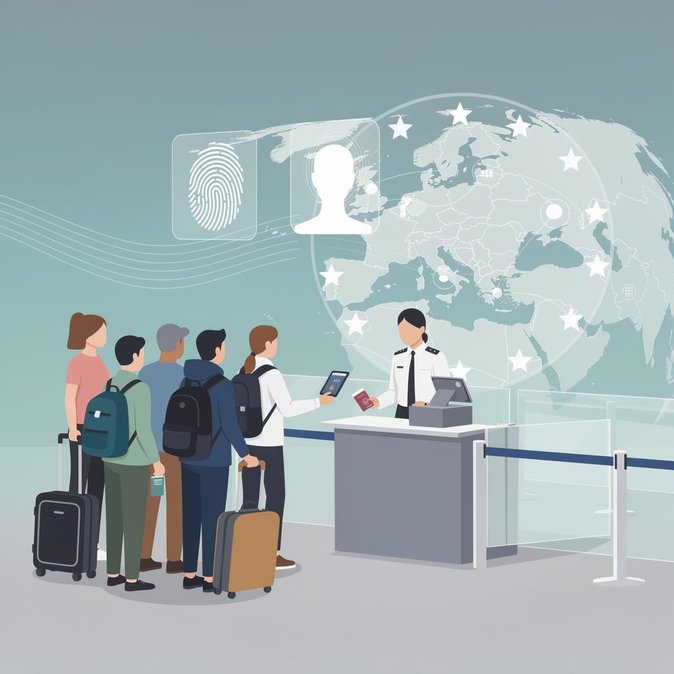
Senior officials from all 27 EU member states gathered in Brussels on 22 October for the latest session of the Strategic Committee on Immigration, Frontiers and Asylum (SCIFA). The meeting, held in the Council of the European Union’s Europa building, marks the first full-day review of how the bloc’s new Pact on Migration and Asylum is being rolled out since the Entry/Exit System went live across Schengen external borders in April. According to the agenda released ahead of the session, delegates examined early data from the pre-entry screening phase, progress on returns under the European Emergency Response Framework and options for strengthening the network of immigration liaison officers posted in third countries. Belgium, as the host state, used the opportunity to showcase its own pilot project linking the national case-management system to the EU’s new interoperability architecture. For corporate mobility teams the significance is two-fold. First, discussions on the practical application of the pre-entry screening regulation will shape the documents non-EU assignees must present when crossing Schengen external borders, including the biometric captures now stored in the EES database. Second, any tweaks to the return procedure could indirectly affect over-stayers who attempt to switch status while on Belgian assignments. A briefing note circulated to stakeholders after the morning session suggested that member states broadly support harmonising carrier liaison training and want the Commission to deliver a single mobile app explaining the 90-in-180-day rule to visa-exempt travellers. No final decisions were taken, but several papers—including Belgium’s non-paper on interoperable case files—were forwarded to COREPER for potential inclusion in December’s Justice and Home Affairs Council conclusions. With the EU elections eight months away, officials are under pressure to demonstrate concrete progress on the migration pact. Mobility specialists should therefore expect a steady flow of technical adjustments over the coming months—and ensure that travel policies and assignee briefings keep pace with the evolving compliance landscape.