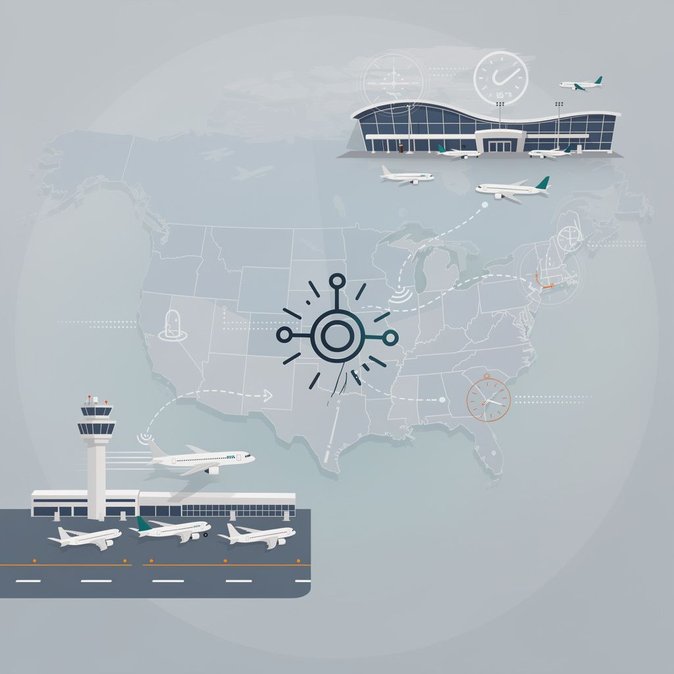
A Federal Aviation Administration incident update released late on 17 November detailed how a faulty software upgrade to Juniper routers caused thousands of connection attempts that overwhelmed U.S. air-traffic centres, forcing a nationwide ground stop earlier in the day. Although NAV CANADA systems were unaffected, Canadian airports experienced rolling delays as flights bound for the United States were held on the ground. Toronto Pearson reported 64 cancelled departures and 110 delayed arrivals, while Vancouver International said average waits at transborder gates stretched to three hours. Airlines waived change fees for same-day rebooking, but passengers connecting onward to Europe reported missed connections. Transport Minister Steven MacKinnon stated on X that Canada offered “full assistance” to the FAA, and NAV CANADA suspended non-essential maintenance to ensure capacity to accept diversions. The disruption renewed debate in Ottawa about integrating cross-border contingency protocols, as many Canadian carriers rely on shared U.S. air-traffic infrastructure once aircraft cross the 49th parallel. Aviation experts note that Canada’s separate funding model for air-navigation services—NAV CANADA is a private non-profit—makes a domestic ground stop less likely, but interoperability risks remain. Analysts urge corporate travel planners to build buffer days into itineraries involving tight U.S. connections and to store digital copies of work permits in case of overnight diversions requiring re-entry into Canada. By 05:00 ET on 18 November, most flight banks had normalised, but residual aircraft and crew mis-positioning is expected to ripple through schedules for at least another 24 hours.
Source: Axios